


Rare Ancient Greek Coin Found by Teenager in Berlin
Translated from German, summarized and contextualized by DistantNews.
TLDR
- A 13-year-old boy discovered a rare ancient Greek coin from the 3rd century BC in Spandau, Berlin.
- The bronze coin, weighing 7 grams, is the first Hellenistic artifact found in Berlin and originates from the ancient city of Ilion (Troy).
- The discovery provides new insights into ancient cultural contacts between Northern Europe and the Greek world, and the coin is now on display.
A remarkable discovery in Berlin has unearthed a tangible link to the ancient world, challenging previous assumptions about the presence of classical Greek artifacts in the region. The finding of a rare Hellenistic coin, dating back to the 3rd century BC, by a 13-year-old student in Spandau is not just a personal triumph but a significant contribution to our understanding of historical connections.
This bronze coin, originating from the ancient mint of Ilion (Troy), is particularly noteworthy as it represents the first confirmed archaeological find of classical Greek origin within Berlin's city limits. While Roman artifacts are occasionally found, the complete absence of Greek finds until now made this discovery a "scientific peculiarity," as noted by the State Office for Monument Preservation. The coin's presence suggests that ancient trade routes and cultural exchanges extended further north than previously thought, hinting at interactions between the Mediterranean and Northern European regions.
Funde aus der klassischen Antike sind in Berlin insgesamt selten. Während römische Objekte vereinzelt, aber regelmäßig nachgewiesen werden können, fehlten bislang griechische Funde vollständig. Der aktuelle Fund stellt daher eine wissenschaftliche Besonderheit dar.
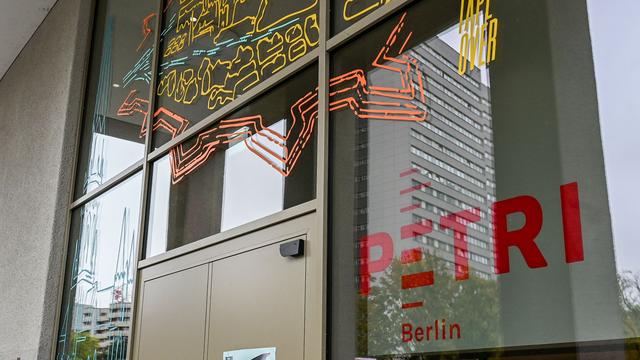
From a German perspective, this find underscores Berlin's rich, albeit often hidden, historical tapestry. The fact that it was discovered on a plot of land with evidence of Bronze Age, Iron Age, Roman, and Slavic burials adds layers of historical depth. While international coverage might focus on the coin's age and origin, local reporting emphasizes its significance for Berlin's archaeological record and the potential it holds for rewriting narratives about ancient European connections. The coin's display at Petri Berlin offers the public a direct encounter with this fascinating piece of history, bridging the gap between ancient civilizations and the modern city.
Da die Münze einen geringen Materialwert hat und in einem mutmaßlichen Gräberfeld gefunden wurde, gehen Forscher davon aus, dass sie eher einen symbolischen Wert hatte.
DistantNews Editorial
Originally published by Die Zeit in German. Translated, summarized, and contextualized by our editorial team with added local perspective. Read our editorial standards.
More Stories


From Our Blog

What Gets Lost (and Found) When News Is Translated

How the Same Story Looks Different in Different Countries

The Critical Role of Diaspora Media in Global News

What Travellers Should Know About Countries with Restricted Press

A Digital Nomad's Guide to Following Local News
