

Recoleta Murder Suspect Compares Himself to Jesus, Demands Trial Without Journalists
Translated from Spanish, summarized and contextualized by DistantNews.
TLDR
- Luis Abel Guzmán, accused of murdering his colleague Germán Gabriel Medina, is set to go on trial on March 15, 2024.
- Guzmán's defense lawyers have requested a trial without media presence, comparing the press to the "scorn" Jesus Christ faced.
- The defense cited the case of a former judge involved in the Diego Maradona trial as an example of media interference.
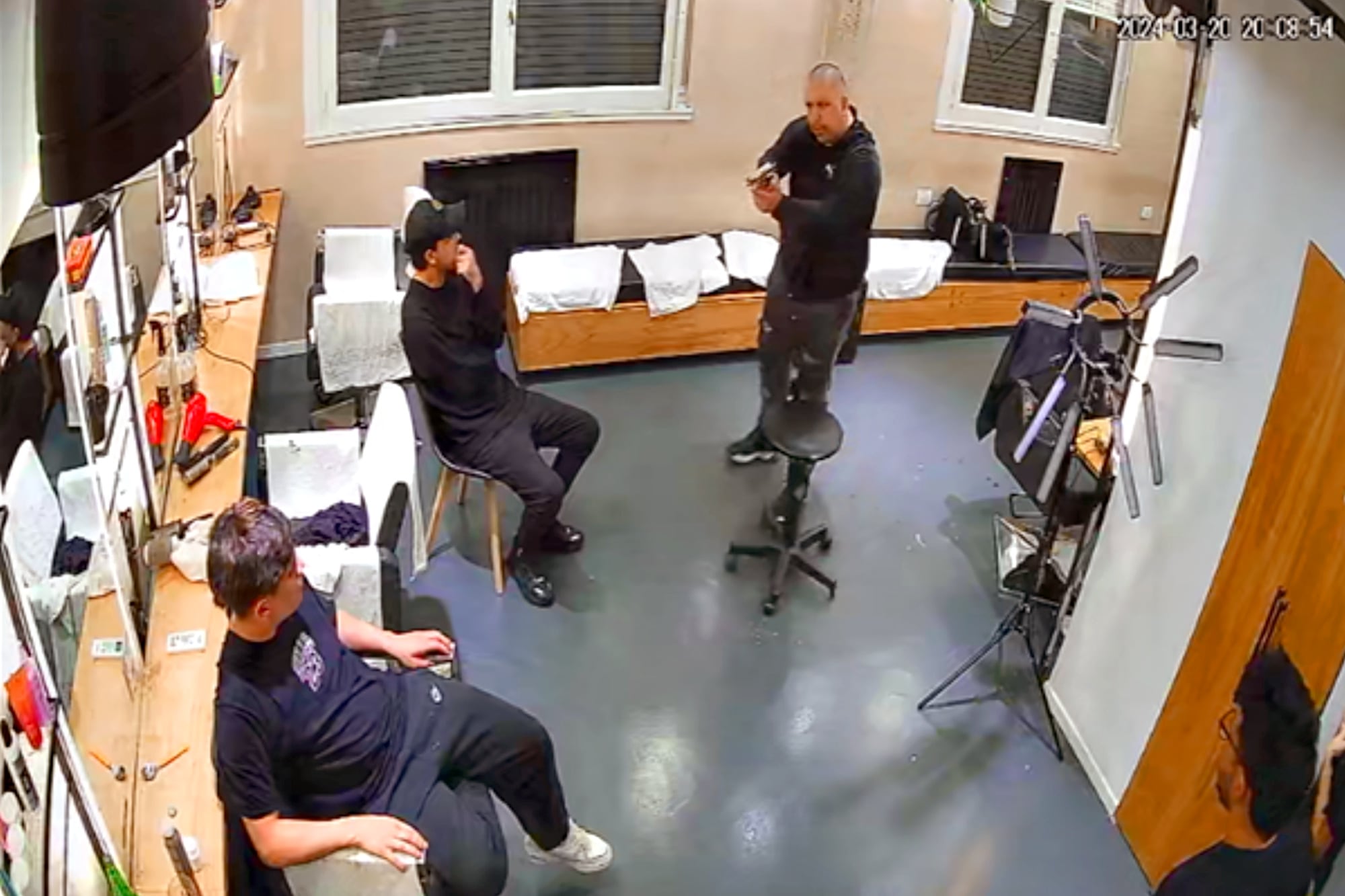
The upcoming trial of Luis Abel Guzmán, accused of the brutal murder of his colleague Germán Gabriel Medina in a Recoleta hair salon, is already marked by controversy. Guzmán's defense team has lodged a highly unusual request: a trial shielded from the public eye, specifically barring journalists from the courtroom.
This defense invokes in its entirety the provisions of the second paragraph of Article 364 regarding the order, morality, and decorum that must be maintained during the debate, energetically manifesting the flat and plain opposition to the journalistic presence within the Chamber of Audiences of the tribunal. It is sufficient to raise your eyes to the crucifix that presides over your Chamber and recall the scorn that our Lord Jesus Christ already suffered when he was crucified.
In a dramatic bid to justify this exclusion, Guzmán's lawyers invoked religious imagery, comparing the media's role to the "scorn" faced by Jesus Christ during his crucifixion. They argue that the press has already prejudged their client, issuing "condemnations and rulings" before the trial has even begun, thereby compromising the integrity of the judicial process.
In the same way, all the virtual, audiovisual, and written media journalism has behaved, going so far as to anticipate convictions and rulings regarding our procedural godson, before and after his detention.
This plea for a media blackout is further bolstered by a reference to a past judicial scandal involving a judge in the Diego Maradona case. The defense contends that the pursuit of "the right to information" should not come at the expense of the reputation and good name of judges and court officials, suggesting that media coverage can unduly influence proceedings and damage the standing of those involved in the justice system.
It is enough to bring Judge Makintach as an example to see how in the name of the despised right to information – which is not absolute – the prestige and good name of judges and auxiliaries of Justice have been tarnished.
DistantNews Editorial
Originally published by La Nación in Spanish. Translated, summarized, and contextualized by our editorial team with added local perspective. Read our editorial standards.
More Stories

From Our Blog

What Gets Lost (and Found) When News Is Translated

The Critical Role of Diaspora Media in Global News

What Travellers Should Know About Countries with Restricted Press

A Digital Nomad's Guide to Following Local News

How the Same Story Looks Different in Different Countries
