

Record Billions for Climate and Energy: NFOŚiGW Drives Green Investments
Translated from Polish, summarized and contextualized by DistantNews.
TLDR
- Poland's National Fund for Environmental Protection and Water Management (NFOŚiGW) will implement 48 priority programs in 2026, offering grants and loans for municipalities, businesses, and households.
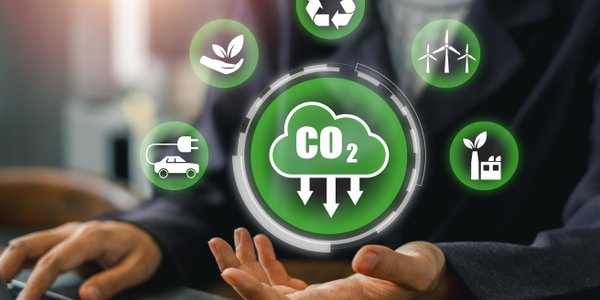
- Funding will support renewable energy, electromobility, air quality improvement, and circular economy initiatives, utilizing national and European sources including the National Reconstruction Plan.
- Key areas for investment include energy efficiency in schools, zero-emission transport, modernized heating systems, and large-scale energy storage, alongside support for biogas and biomethane development.
Poland is demonstrating a robust commitment to environmental and climate action through significant financial commitments and strategic programs spearheaded by the National Fund for Environmental Protection and Water Management (NFOŚiGW). The ambitious plans for 2026, encompassing 48 priority programs, signal a clear direction towards a greener future for the nation.
The diversified financial instruments, including grants and loans, are designed to empower a wide range of stakeholders – from local governments and businesses to national parks and individual households. This inclusive approach ensures that the transition to sustainable practices is a collective effort. The integration of national and European funds, such as the National Reconstruction Plan and Norwegian Funds, highlights Poland's strategic positioning within the broader European green agenda.
From a Polish perspective, the focus on renewable energy sources (RES), electromobility, and improved air quality is not merely an environmental imperative but also an economic opportunity. Investments in energy efficiency, modernized heating systems, and energy storage are crucial for enhancing national energy security and reducing reliance on fossil fuels. The emphasis on developing biogas and biomethane from biomass and municipal waste also presents a unique chance to tackle waste management challenges while generating clean energy.
This proactive stance, as detailed by Rzeczpospolita, underscores Poland's dedication to meeting its climate goals and fostering sustainable development. The establishment of initiatives like the ELENA program, offering advisory services for sustainable investments in heating and public buildings, further solidifies Poland's role as a leader in driving the energy transition within the region. The sheer scale of investment and the breadth of programs indicate a serious, long-term strategy to build a more resilient and environmentally conscious economy.
DistantNews Editorial
Originally published by Rzeczpospolita in Polish. Translated, summarized, and contextualized by our editorial team with added local perspective. Read our editorial standards.
More Stories
From Our Blog

What Gets Lost (and Found) When News Is Translated

The Critical Role of Diaspora Media in Global News

What Travellers Should Know About Countries with Restricted Press

A Digital Nomad's Guide to Following Local News

How the Same Story Looks Different in Different Countries
