


Record Sea Temperatures Fuel Catastrophic Risks; El Niño Strengthens
Translated from Polish, summarized and contextualized by DistantNews.
At a glance
News
Named sources
Context piece
- Seas and oceans recorded their highest average surface temperatures in history during the recent summer, exacerbating extreme heatwaves in Europe.
- The developing El Niño phenomenon is a significant factor, potentially making it the strongest in over a century and increasing risks of drought and extreme weather.
- Record warm waters threaten marine ecosystems, leading to species die-offs and impacting bird and marine mammal populations, with human-caused climate change identified as a major contributor.
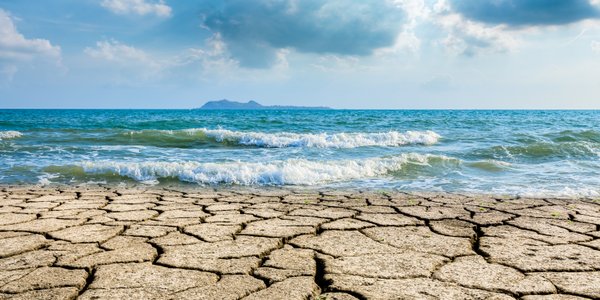
Europe experienced record heatwaves this summer, but the extreme temperatures extended to its seas and oceans, which registered their highest average surface temperatures in recorded history. This alarming trend poses a severe threat to marine ecosystems.
July saw the global average sea surface temperature reach 20.97°C, surpassing the previous record set in 2023. The Atlantic coast and the western Mediterranean experienced particularly high temperatures. Experts attribute this to a combination of high air temperatures and the developing El Niño phenomenon, which Carlo Buontempo, director of the EU's Copernicus Climate Change Service (C3S), described as a likely "driving force."
is probably the driving force.
Scientists from the UK's Met Office predict that El Niño could be the strongest in over 100 years, intensifying the risk of severe droughts, heatwaves, and other extreme weather events. The tropical Pacific Ocean's sea surface temperature may exceed the average by over 3°C, significantly higher than the typical 1-2°C rise associated with El Niño.
These exceptionally warm waters endanger marine life, potentially causing the extinction of habitat-forming species like corals and sponges. This, in turn, negatively affects populations of seabirds and marine mammals. Research by World Weather Attribution indicates that human-caused climate change is a significant factor, contributing approximately 2°C to the Mediterranean's warming and 1.4°C to the seas of Western Europe.
unprecedented
DistantNews Editorial
Originally published by Rzeczpospolita in Polish. Translated, summarized, and contextualized by our editorial team with added local perspective. Read our editorial standards.
More Stories


From Our Blog

What Gets Lost (and Found) When News Is Translated

The Critical Role of Diaspora Media in Global News

What Travellers Should Know About Countries with Restricted Press

A Digital Nomad's Guide to Following Local News

How the Same Story Looks Different in Different Countries
