


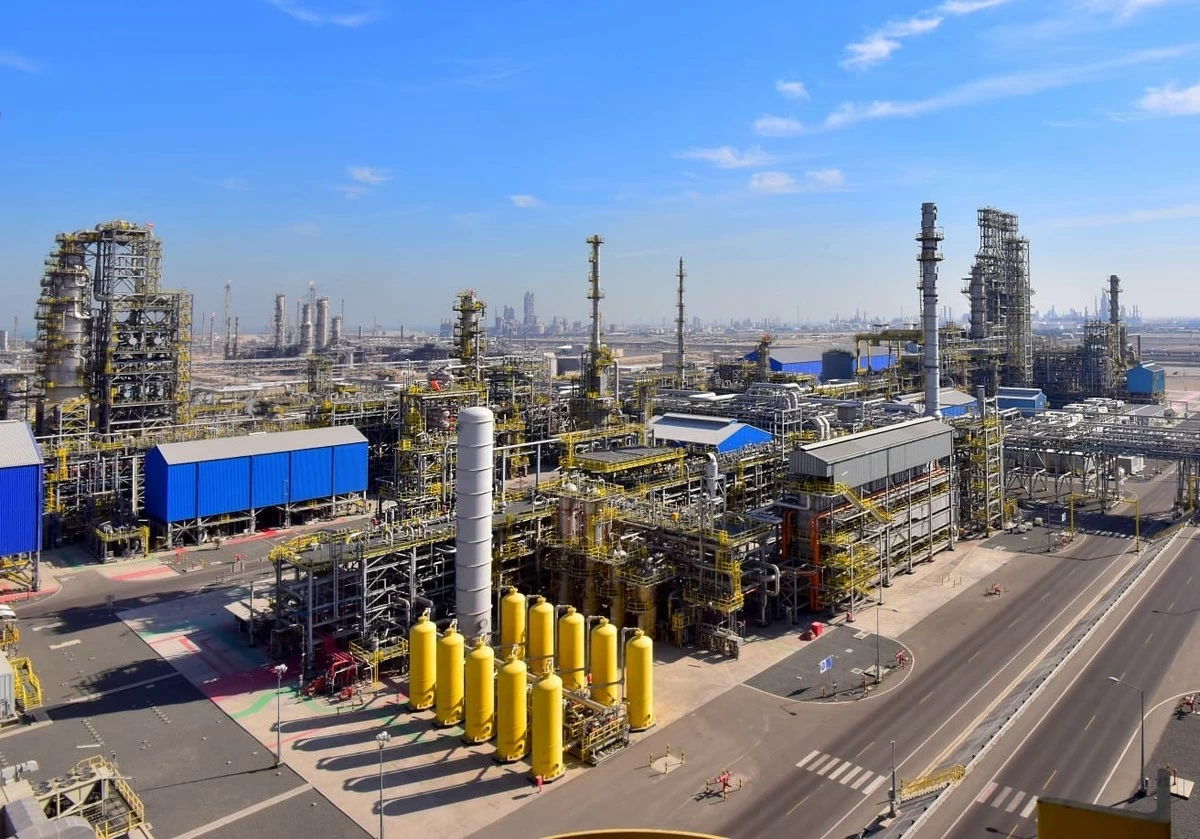
Refining, Not Crude Oil, Is the Key Energy Concern Amidst Global Disruptions
Translated from English, summarized and contextualized by DistantNews.
At a glance
Analysis
Named sources
Context piece
- Attacks on oil refineries, not crude oil itself, are the primary concern for global energy security.
- Countries lacking sufficient refining capacity are vulnerable to disruptions and increased reliance on imported petroleum products.
- China and the United States possess the largest refining capacities, followed by Russia and India.
The global focus on crude oil supply overlooks a more critical issue: the vulnerability of oil refineries to attacks. Disruptions in refining capacity pose a significant threat, particularly to nations heavily dependent on imported petroleum products and those with limited domestic refining capabilities. This situation forces these countries to rely more heavily on the import of refined products, with the quantity and quality dictated by their specific demands.
China leads the world in refining capacity, processing 18.5 million barrels per day, closely followed by the United States with approximately 18.4 million barrels per day. Russia ranks third with about 7 million barrels per day, while India processes around 6 million barrels per day. Kuwait, a significant player in the OPEC bloc, boasts a total refining capacity exceeding 1.2 million barrels per day domestically, supplemented by three overseas refineries, bringing its total capacity to over 1.85 million barrels per day.
Investing in refining and downstream activities offers substantial added value beyond crude oil sales. It broadens market access, exposing countries to a wider customer base and global markets. Such investments also create opportunities for further expansion into related oil activities, including lubricants and other specialized products, fostering closer customer relationships.
Furthermore, extending services to include convenience stores, food, laundry, and mail services can transform gas stations into integral parts of customers' daily lives. This integration builds generational loyalty, a model exemplified by Q8 service stations in Europe and Thailand, which have successfully established a strong brand presence. The article suggests that moving beyond refining into downstream activities like service stations and convenience stores offers additional profit margins and enhances brand value, creating lasting customer commitment.
DistantNews Editorial
Originally published by Arab Times in English. Translated, summarized, and contextualized by our editorial team with added local perspective. Read our editorial standards.
More Stories


From Our Blog

What Gets Lost (and Found) When News Is Translated

The Critical Role of Diaspora Media in Global News

What Travellers Should Know About Countries with Restricted Press

A Digital Nomad's Guide to Following Local News

How the Same Story Looks Different in Different Countries
