

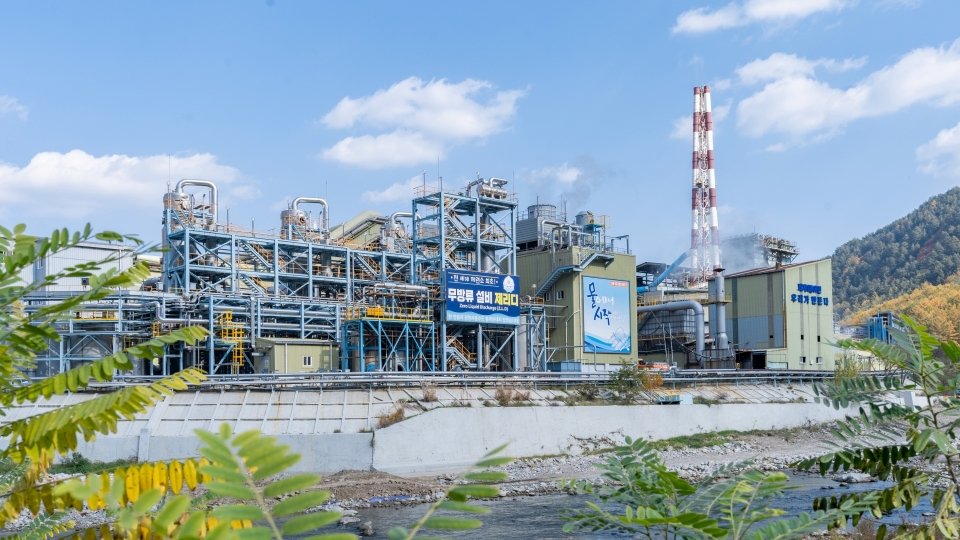

Removing village river weirs yields triple benefits: improved water, lower emissions, flood prevention
Translated from Korean, summarized and contextualized by DistantNews.
At a glance
News
Named sources
Context piece
- Removing unnecessary weirs in village rivers restores water flow, improves water quality, and reduces greenhouse gas emissions.
- A study on South Korea's Tancheon river found removing 11 weirs would return 30 million cubic meters of water to nature and cut 30 tons of greenhouse gases annually.
- Experts suggest weir removal is a multifunctional water management investment, not just an environmental restoration project, encompassing water resource management, climate change response, and flood risk reduction.
Removing outdated weirs from village rivers offers a triple benefit: restoring natural water flow, improving water quality, and reducing greenhouse gas emissions, according to a new study. In South Korea's Tancheon river section, removing 11 weirs could return 30 million cubic meters of water to a natural state annually, while also cutting 30 tons of greenhouse gases.
The report, published by the 'Forest and Sharing' foundation, analyzed the impact of removing 87 weirs across seven small and medium-sized rivers. The study, conducted with researchers from Kyungpook National University, focused on quantifying changes in water volume and flood management effects using international standard methodologies.
Common findings across the analyzed rivers indicated that weir removal revitalized water flow, enhanced water quality, and decreased greenhouse gas emissions and flood levels. For instance, removing 12 weirs in the Jeonjucheon river could free up over 171 million cubic meters of water annually. Improved water flow allows for better oxygenation, which in turn reduces the production of greenhouse gases by anaerobic microorganisms.
The study concluded that weir removal serves as an integrated water management tool, yielding public benefits such as improved water quality, reduced emissions, and lower flood management costs. It recommended viewing weir removal not merely as an environmental restoration initiative, but as a "multifunctional water management investment" that aligns with water resource management, climate change adaptation, and flood risk mitigation strategies.
Weir removal is a multifunctional water management investment, not just an environmental restoration project, encompassing water resource management, climate change response, and flood risk reduction.
DistantNews Editorial
Originally published by Hankyoreh in Korean. Translated, summarized, and contextualized by our editorial team with added local perspective. Read our editorial standards.
More Stories



From Our Blog

What Gets Lost (and Found) When News Is Translated

The Critical Role of Diaspora Media in Global News

What Travellers Should Know About Countries with Restricted Press

A Digital Nomad's Guide to Following Local News

How the Same Story Looks Different in Different Countries
