

Reps Introduce 2,747 Bills, Pass 363 in Three Years
Translated from English, summarized and contextualized by DistantNews.
At a glance
News
Named sources
New plan
- The House of Representatives introduced 2,747 bills and passed 363 in its first three years, a record it cites as proof of commitment to legislative reform.
- The bills introduced include Executive, Senate concurrence, and private members' bills, with 363 passed across three sessions, including key legislation like the 2026 Appropriation Bill and Electoral Act.
- The House highlights the Nigerian Education Loan Fund as a legislative success, with over 1.6 million beneficiaries, and is reviewing its agenda to prioritize reforms for the upcoming session.
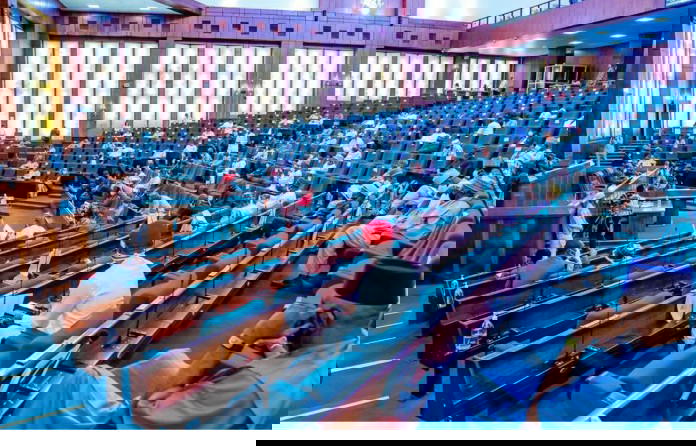
The House of Representatives has reported introducing 2,747 bills and passing 363 within its first three years, presenting this as a significant achievement in legislative reform. Chairman of the House Committee on Rules and Business, Hon. Francis Waive, shared these figures, noting the bills comprised Executive, Senate concurrence, and private members' initiatives.
Over the three sessions, 363 bills became law. The third session alone saw 484 bills introduced and 126 passed. Key legislation enacted includes the 2026 Appropriation Bill, the Electoral Act 2026, constitutional amendments for state police, tax reforms, and the Minimum Wage Act. These measures aim to strengthen governance and improve citizens' welfare.
We are sharing this data with Nigerians because the House of Representatives is working. This is the scorecard for the session.
House Spokesman Hon. Akin Rotimi pointed to tangible results from passed laws, citing the Nigerian Education Loan Fund (NELFUND) as a success. Over 1.6 million Nigerians have benefited, with more than ₦303 billion disbursed. Rotimi explained that the difference between introduced and passed bills is partly due to consolidating related legislation. He also noted that over 300 constitutional amendment proposals are under consideration.
Waive stated that the House is working and shared the session's scorecard. The leadership is reviewing the legislative agenda to prioritize reforms for the fourth session, aiming to fulfill promises made to Nigerians. While records of presidential assent are kept by the Clerk to the National Assembly, the Committee on Rules and Business focuses on bill introduction and passage.
We’ve covered a lot of ground, but there is still a lot more to do. We are reviewing our legislative agenda internally to ensure that key promises made to Nigerians are delivered before the end of this Assembly.
DistantNews Editorial
Originally published by Vanguard in English. Translated, summarized, and contextualized by our editorial team with added local perspective. Read our editorial standards.
More Stories


From Our Blog

How the Same Story Looks Different in Different Countries

What Gets Lost (and Found) When News Is Translated

The Critical Role of Diaspora Media in Global News

What Travellers Should Know About Countries with Restricted Press

A Digital Nomad's Guide to Following Local News
