


Reps seek consensus over fuel imports, local refining
Summarized and contextualized by DistantNews.
At a glance
News
Official statement
Ongoing story
- The House of Representatives is initiating consultations to reconcile differences between petroleum importers and domestic refiners.
- Lawmakers aim to foster reforms for energy security, stable fuel supply, and a competitive downstream petroleum sector.
- The initiative addresses changes brought by the Petroleum Industry Act, market deregulation, and increased domestic refining capacity.
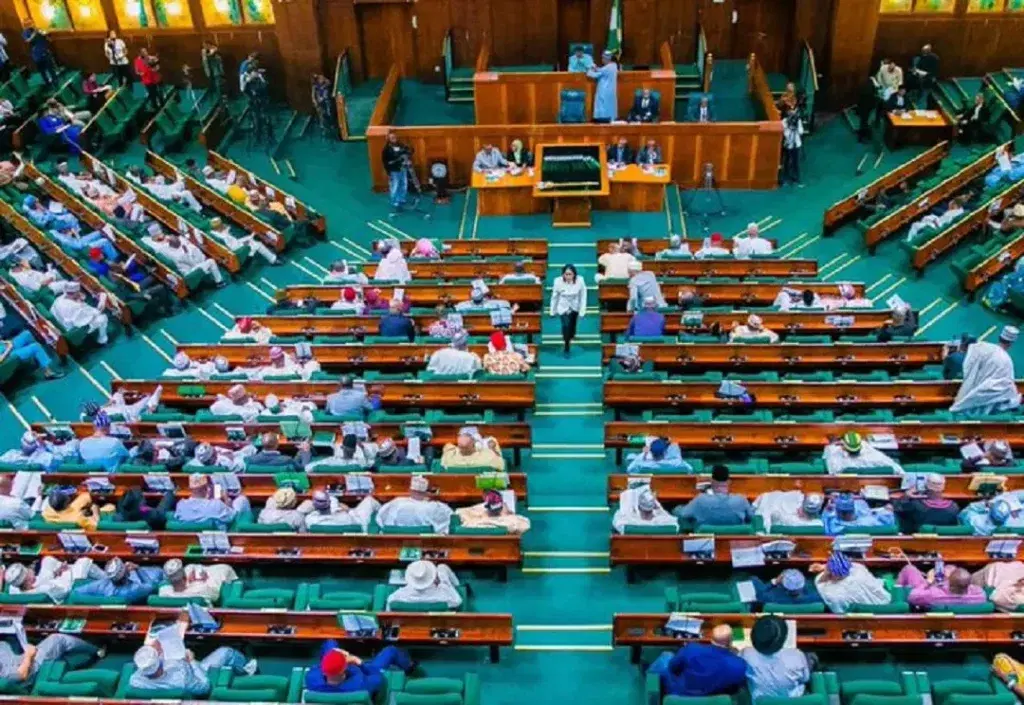
The House of Representatives Committee on Petroleum Resources (Downstream) has launched a new initiative to bridge the gap between petroleum importers and domestic refiners. Lawmakers are engaging key industry players in consultations aimed at enacting reforms that will ensure energy security, maintain a stable fuel supply, and promote a more competitive downstream petroleum sector in Nigeria.
This interactive session at the National Assembly brings together representatives from the Depot and Petroleum Products Marketers Association of Nigeria, the Independent Petroleum Marketers Association of Nigeria, and the Major Energies Marketers Association of Nigeria. The discussions occur amidst a growing debate about the future of fuel imports, especially as Nigeria's domestic refining capacity expands. The downstream petroleum industry is currently navigating significant transformations, including the implementation of the Petroleum Industry Act, the deregulation of the petrol market, the rehabilitation of state-owned refineries, and the commencement of large-scale refining by private entities.
We are here not to interrogate, not to accuse and not to put anyone on trial. We are here to listen. We are here to talk to one another as partners who share one common destiny, a Nigeria where energy is affordable, supply is stable, and no citizen suffers because petroleum products are out of reach.
These developments have intensified discussions on how quickly Nigeria can reduce its reliance on imported petroleum products while simultaneously safeguarding supply and price stability. The Chairman of the Committee, Ikenga Ugochinyere, emphasized the House's commitment to building consensus among operators rather than imposing policies unilaterally. He stated that reforms in the downstream sector must accurately reflect the realities faced by operators whose investments are crucial for the nation's fuel distribution network.
Ugochinyere assured stakeholders that the committee would adopt an inclusive legislative and oversight approach, ensuring that no major policy is developed without broad industry consultation. He recognized marketers, depot owners, and other downstream operators as the vital link between government policy and consumers, stressing that a strong distribution network ensures stable prices and reliable supply for Nigerians. The lawmaker noted that Nigeria is at a pivotal moment in its energy sector evolution, with increasing domestic refining capabilities, shifting import dynamics, and ongoing efforts to enhance pipeline security and improve product distribution nationwide. Stakeholders' input will guide future legislative actions aimed at encouraging investment, fostering competition, strengthening local refining, and ensuring affordable energy.
The marketers, depot owners, independent operators and major marketers remain the bridge between government policy and the pump. When that bridge is strong, Nigerians enjoy stable prices and reliable supply. When it is weak, the entire nation feels the consequences.
DistantNews Editorial
Originally published by The Punch. Summarized and contextualized by our editorial team with added local perspective. Read our editorial standards.
More Stories


From Our Blog

How the Same Story Looks Different in Different Countries

What Gets Lost (and Found) When News Is Translated

The Critical Role of Diaspora Media in Global News

What Travellers Should Know About Countries with Restricted Press

A Digital Nomad's Guide to Following Local News
