


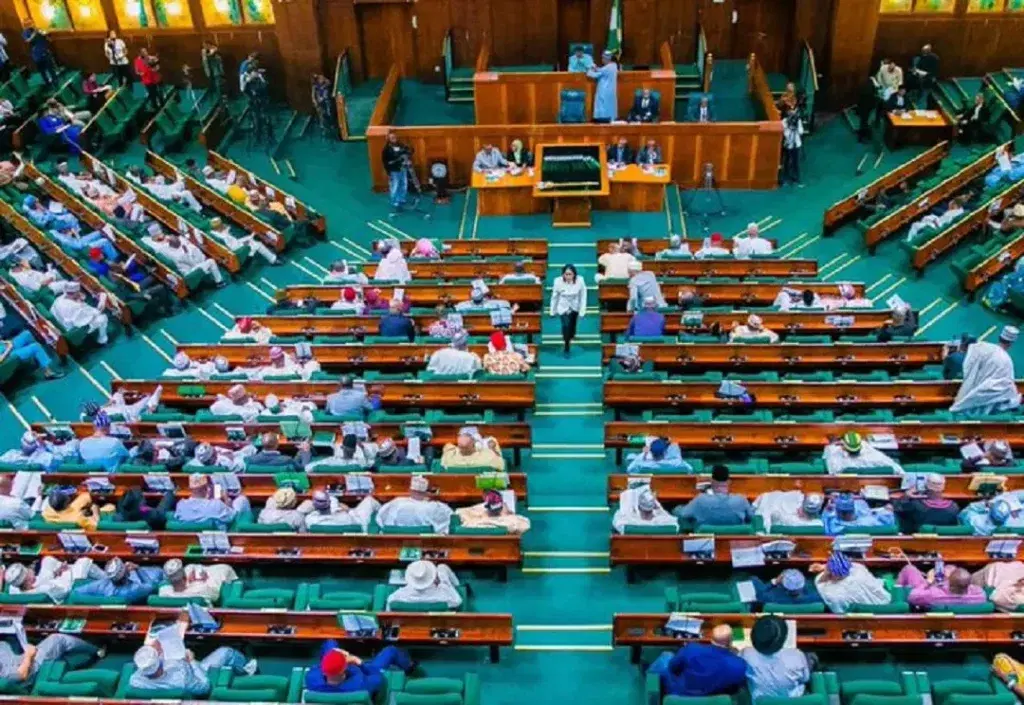
Reps seek consensus between importers, refiners on downstream reforms
Summarized and contextualized by DistantNews.
At a glance
News
Named sources
New plan
- Nigeria's House of Representatives Committee on Petroleum Resources (Downstream) is mediating between fuel importers and refiners.
- The goal is to resolve differences and strengthen the nation's downstream oil and gas sector.
- Lawmakers aim for stable fuel supply, increased investment, and affordable energy for citizens through dialogue.
Nigeria's House of Representatives is actively working to bridge the divide between petroleum importers and domestic refiners, aiming to revitalize the nation's downstream oil and gas sector. The Committee on Petroleum Resources (Downstream) convened an interactive session with key industry players, including DAPPMAN, IPMAN, and MEMAN, to discuss reforms crucial for ensuring stable fuel supply and attracting investment.
Committee Chairman Rep. Ikenga Imo Ugochinyere emphasized a collaborative approach, stating, "We are here not to interrogate, not to accuse and not to put anyone on trial. We are here to listen. We are here to talk to one another as partners who share one common destiny, a Nigeria where energy is affordable, supply is stable and no citizen suffers because petroleum products are out of reach."
Ugochinyere assured stakeholders that no major policy changes would be implemented without their input, recognizing their vital role in sustaining the fuel supply chain. He highlighted Nigeria's critical juncture in energy sector transformation, marked by growing domestic refining capacity, shifting import dynamics, and efforts to enhance pipeline security and distribution infrastructure. The committee plans legislative interventions focused on encouraging investment, supporting domestic refining, fostering competition, and ensuring uninterrupted access to affordable petroleum products.
Representing DAPPMAN, Executive Secretary Olufemi Adewole urged the Nigerian Midstream and Downstream Petroleum Regulatory Authority (NMDPRA) to establish clear operating-stock guidelines as stipulated by the Petroleum Industry Act (PIA). DAPPMAN also proposed a joint market-monitoring framework involving NMDPRA and the Federal Competition and Consumer Protection Commission (FCCPC) to ensure product availability and transparent allocation. Furthermore, the association called for government investment in critical infrastructure, such as roads, railways, and depots, to reduce reliance on long-distance trucking.
We are here not to interrogate, not to accuse and not to put anyone on trial. We are here to listen. We are here to talk to one another as partners who share one common destiny, a Nigeria where energy is affordable, supply is stable and no citizen suffers because petroleum products are out of reach.
DistantNews Editorial
Originally published by Vanguard. Summarized and contextualized by our editorial team with added local perspective. Read our editorial standards.
More Stories



From Our Blog

How the Same Story Looks Different in Different Countries

What Gets Lost (and Found) When News Is Translated

The Critical Role of Diaspora Media in Global News

What Travellers Should Know About Countries with Restricted Press

A Digital Nomad's Guide to Following Local News
