

Reps seek stronger action against human trafficking
Summarized and contextualized by DistantNews.
At a glance
News
Named sources
New plan
- Nigeria's House of Representatives is pushing for stronger action against human trafficking, especially concerning victims rescued from Mali and other West African nations.
- Lawmakers advocate for comprehensive rehabilitation and reintegration programs to prevent survivors from re-victimization.
- The House aims to strengthen Nigeria's anti-trafficking framework through legislative support, improved coordination, and adequate funding for relevant agencies.
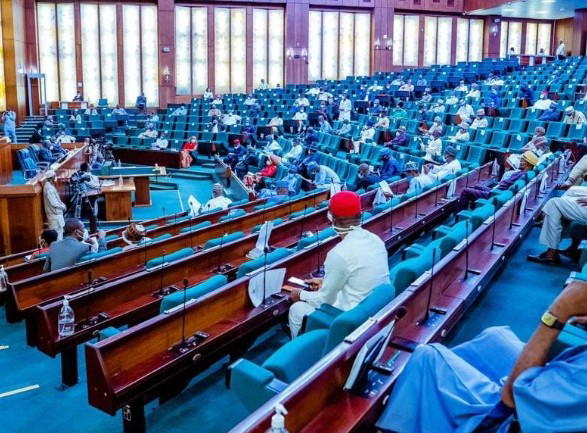
Nigeria's House of Representatives is renewing its commitment to combating human trafficking, urging enhanced collaboration among government bodies, international partners, and civil society organizations. The focus is on ensuring the safe repatriation, rehabilitation, and reintegration of Nigerian victims rescued from countries like Mali and others in West Africa.
During a high-level technical meeting in Abuja, the House Committee on Humanitarian Services emphasized that Nigeria must move beyond mere repatriation. Chairperson Hon. Tolulope Akande-Sadipe stressed the need for sustainable programs that equip survivors to avoid falling victim again. She highlighted the ongoing plight of thousands of Nigerians, particularly women and young people, trafficked for forced labor, sexual exploitation, and other forms of modern slavery across West Africa.
"Behind every statistic is a human story. Trafficking is not merely a migration issue; it is a grave violation of human rights and an assault on human dignity that demands a coordinated national response," Akande-Sadipe stated. She noted that recent government efforts, such as evacuating vulnerable Nigerians from South Africa and an MoU with Ethiopia on prisoner management, underscore the importance of inter-agency cooperation and diplomacy in protecting citizens abroad.
Akande-Sadipe outlined that successful reintegration requires a holistic approach, including healthcare, psychosocial support, legal aid, education, vocational training, family reunification, and sustainable economic opportunities. The House pledged to provide the necessary legislative, policy, and oversight frameworks to bolster humanitarian response systems, improve institutional coordination, and ensure adequate funding for agencies tasked with protecting vulnerable Nigerians.
The National Council of Child Rights Advocates, Nigeria (NACCRAN) presented findings from its investigation into the trafficking and exploitation of Nigerian girls in Mali and West Africa. NACCRAN's Operations Consultant on Diaspora Issues, Prince Adefioye Gbolagade Simeon, reported concerns regarding the repatriation process, documentation of Nigerian migrants, and the welfare of rescued victims identified during an 11-month fact-finding mission in Mali.
Behind every statistic is a human story. Trafficking is not merely a migration issue; it is a grave violation of human rights and an assault on human dignity that demands a coordinated national response.
DistantNews Editorial
Originally published by Vanguard. Summarized and contextualized by our editorial team with added local perspective. Read our editorial standards.
More Stories


From Our Blog

How the Same Story Looks Different in Different Countries

What Gets Lost (and Found) When News Is Translated

The Critical Role of Diaspora Media in Global News

What Travellers Should Know About Countries with Restricted Press

A Digital Nomad's Guide to Following Local News
