

Rescue Efforts Hampered by Fuel Shortage
Translated from Malay, summarized and contextualized by DistantNews.
At a glance
News
Named sources
Ongoing story
- Rescue efforts in Venezuela are severely hampered by a critical shortage of fuel following a devastating earthquake.
- Survivors and volunteers are resorting to manual labor and basic tools to clear debris due to the lack of operational heavy machinery.
- The fuel crisis exacerbates Venezuela's existing economic and infrastructural challenges, despite its vast oil reserves.
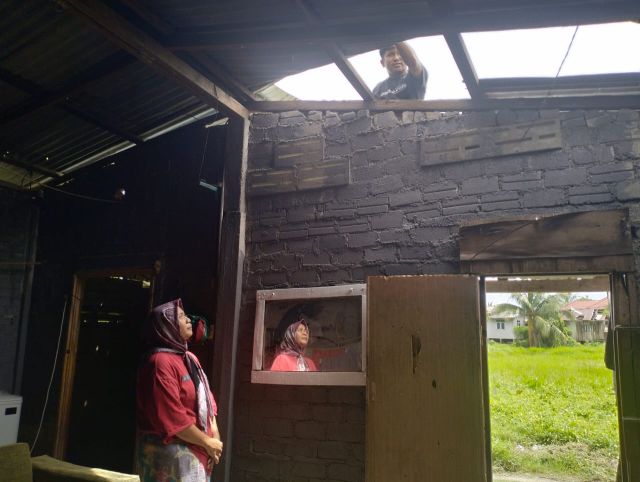
Rescue operations in Venezuela are facing severe setbacks due to a critical fuel shortage, significantly hindering efforts to aid earthquake survivors. The devastating earthquake, which struck on June 24 with magnitudes of 7.2 and 7.5, has left many areas in ruins, and the lack of fuel means essential heavy machinery cannot be deployed.
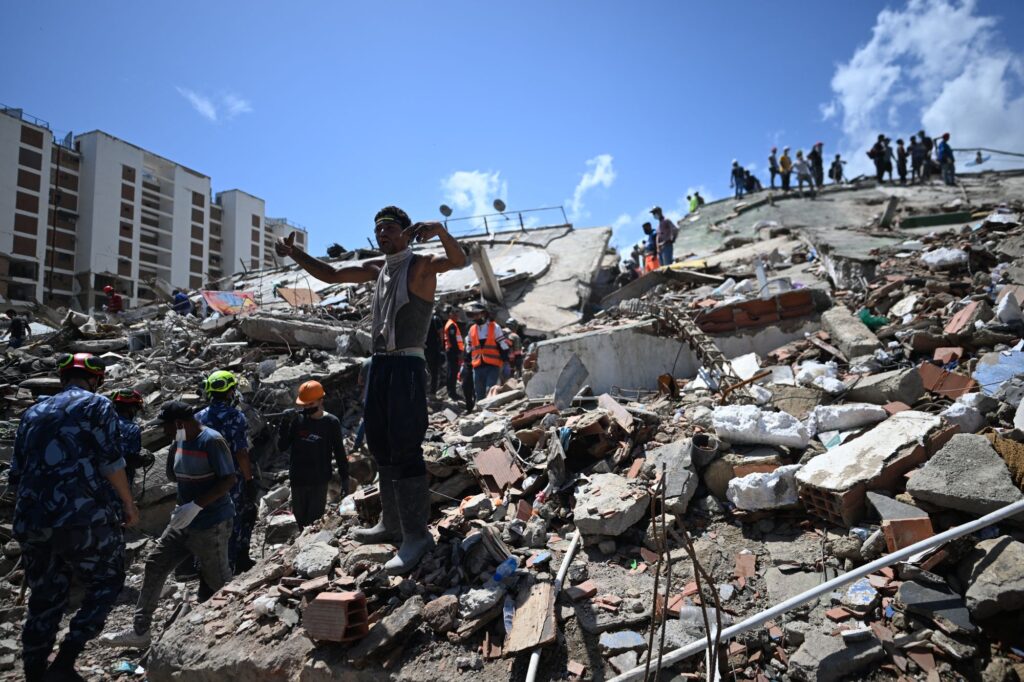
In the heavily impacted coastal city of La Guaira, excavators and other heavy equipment remain idle, stranded at disaster sites due to insufficient fuel. This forces survivors and volunteers to dig through rubble using only their hands and basic tools like hoes and shovels, despite the presence of heavy machinery. One excavator operator confirmed his machine was unusable solely because of the fuel scarcity.
The excavator was left unused simply because of the lack of fuel.
The fuel shortage adds another layer of difficulty to Venezuela's ongoing crisis. The nation possesses the world's largest proven oil reserves but has struggled for years with fuel scarcity stemming from its economic turmoil and the decay of its energy infrastructure. This situation has fueled public anger, with residents accusing the government of failing to manage disaster response effectively.
The rescue operations reveal the institutional decay that has been occurring for years, and government resources are prioritized for other matters, neglecting the capacity to deal with emergencies.
Rescue teams in La Guaira report a constant lack of essential equipment, including drills, concrete cutters, and life-detecting devices, which further slows down the search for victims. Political analyst Carmen Beatriz Fernández noted that the rescue operations expose years of institutional decay, suggesting government resources are prioritized elsewhere, neglecting emergency response capabilities. Allegations of corruption have also surfaced, with four police officers arrested for allegedly stealing valuables from collapsed buildings. The Scientific, Criminal, and Criminal Investigations Corps (CICPC) has suspended the officers and referred their case to the judiciary, vowing zero tolerance for corruption during a disaster.
The humanitarian situation remains dire, with aid trickling in but insufficient to meet growing needs. The official death toll has risen to 2,295, but international agencies fear the actual number is much higher. Despite the grim reality, rescue volunteers remain determined, buoyed by the discovery of survivors days after the quake, holding onto hope for every unexplored search site.
Corruption practices when the country is facing a disaster will not be compromised.
DistantNews Editorial
Originally published by Utusan Malaysia in Malay. Translated, summarized, and contextualized by our editorial team with added local perspective. Read our editorial standards.
More Stories


From Our Blog

What Gets Lost (and Found) When News Is Translated

The Critical Role of Diaspora Media in Global News

What Travellers Should Know About Countries with Restricted Press

A Digital Nomad's Guide to Following Local News

How the Same Story Looks Different in Different Countries
