


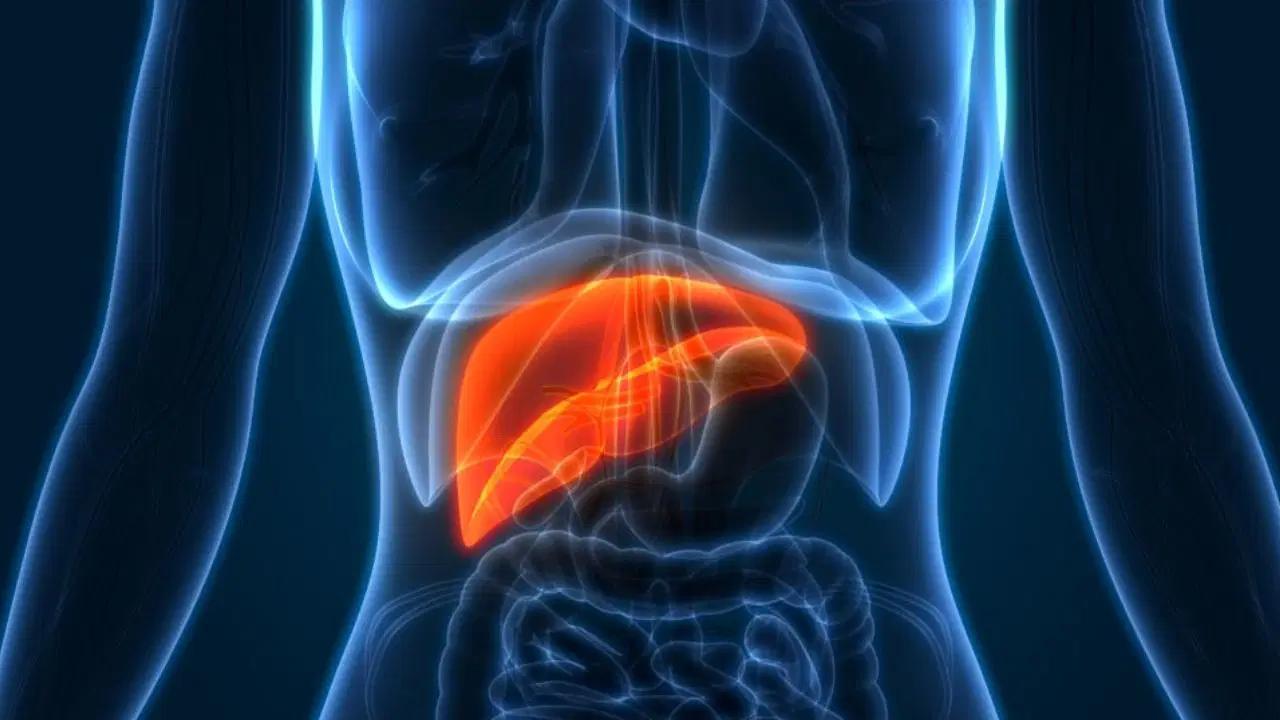
Researchers reveal how cancer cells evade immune system in liver
Translated from Turkish, summarized and contextualized by DistantNews.
At a glance
News
Official statement
Context piece
- Researchers have discovered how metastatic cancer cells in the liver interact with surrounding tissue to alter immune cell function.
- These cancer cells use a nutrient in the liver to disrupt the normal immune response, allowing them to survive and grow.
- Experiments showed that blocking this process could reactivate immune cells against the cancer, slowing the growth of liver metastases.
Researchers from the Flanders Institute for Biotechnology (VIB) and KU Leuven have uncovered a critical mechanism by which metastatic cancer cells evade the immune system within the liver. Their findings reveal how these cells exploit the liver's unique environment to suppress immune responses, thereby enhancing their own survival and proliferation.
The study, detailed in a written statement, identified that metastatic cancer cells utilize a specific nutrient present in the liver. This nutrient allows them to alter the function of immune cells, which would normally identify and eliminate cancerous cells. By disrupting this natural defense mechanism, the tumor cells increase their chances of survival.
Experimental models demonstrated that interfering with this process could effectively restart the anti-cancer activities of immune cells. This intervention successfully slowed the growth of liver metastases, offering a promising new avenue for treatment.
Sarah-Maria Fendt, a researcher at the VIB-KU Leuven Center for Cancer Biology, emphasized the challenges in treating liver metastases. She highlighted the importance of understanding how cancer cells benefit from the liver's specific microenvironment. "By better understanding how cancer cells benefit from this environment, we can advance our research towards making these tumors vulnerable to the immune system again," Fendt stated.
While these discoveries provide significant new insights into the relationship between liver metastases and the immune system, further research is necessary to translate these findings into viable treatments for patients. The study underscores the complexity of cancer's interaction with the body's defenses and the potential for targeted therapies.
By better understanding how cancer cells benefit from this environment, we can advance our research towards making these tumors vulnerable to the immune system again.
DistantNews Editorial
Originally published by Cumhuriyet in Turkish. Translated, summarized, and contextualized by our editorial team with added local perspective. Read our editorial standards.
More Stories



From Our Blog

What Gets Lost (and Found) When News Is Translated

The Critical Role of Diaspora Media in Global News

What Travellers Should Know About Countries with Restricted Press

A Digital Nomad's Guide to Following Local News

How the Same Story Looks Different in Different Countries
