


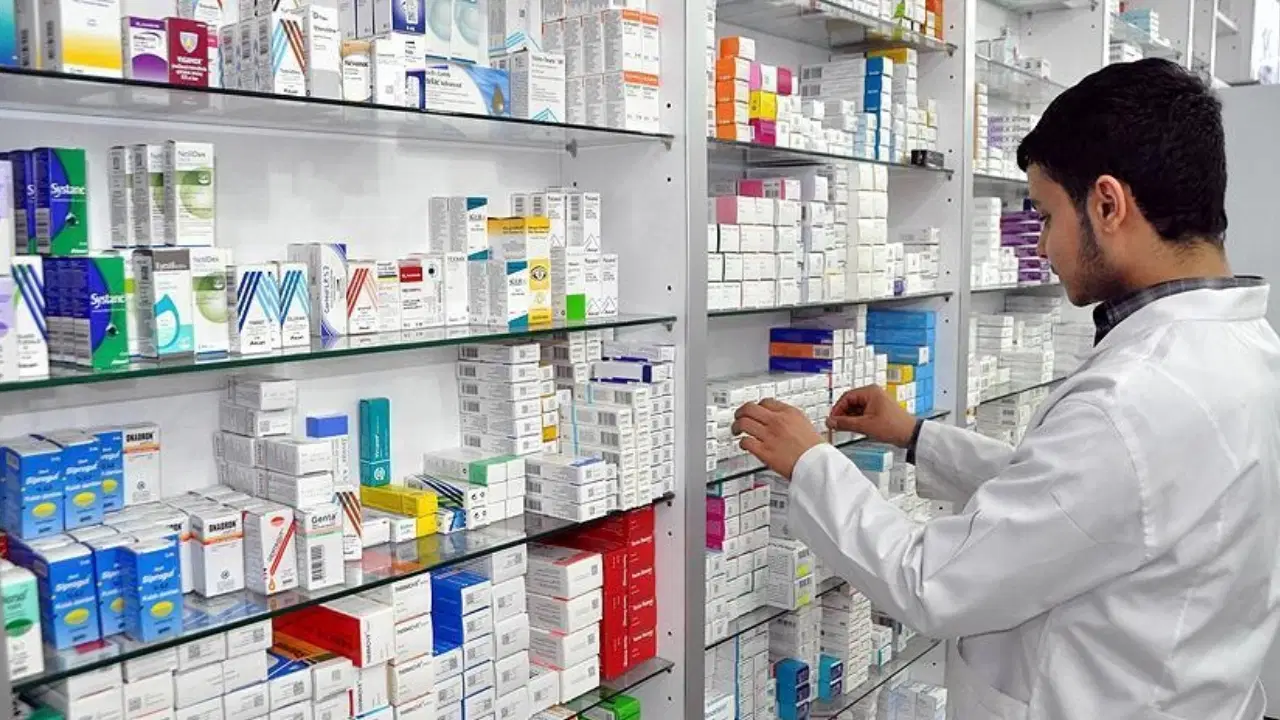
Turkish Pharmacists Union Reports on Supplements, Closures, and 'Where Is My Medicine?' App
Translated from Turkish, summarized and contextualized by DistantNews.
At a glance
News
Official statement
New plan
- - Turkey's Union of Pharmacists (TEİS) submitted a report to the Turkish Medicines and Medical Devices Agency (TİTCK) outlining key concerns.
- The report addresses the risks of dietary supplements sold without health consultation, the regulation of temporary pharmacy closures, and issues with the 'Where Is My Medicine?' e-Nabız application.
- TEİS calls for stricter controls on supplement sales and improvements to the digital health system to better serve patients.
The Turkish Union of Pharmacists (TEİS) has presented a comprehensive report to Hüseyin Çelik, President of the Turkish Medicines and Medical Devices Agency (TİTCK), detailing critical issues facing the pharmacy profession and proposing solutions. TEİS General President Nurten Saydan stated that the meeting with Çelik covered current challenges and potential remedies, with the report focusing on three main areas: dietary supplements, temporary pharmacy closures, and the 'Where Is My Medicine?' feature within the e-Nabız system.
The report highlights significant public health risks associated with dietary supplements. Despite being presented in pharmaceutical dosage forms, these products are widely sold through various channels like the internet, social media, supermarkets, spice shops, gyms, and beauty centers, often without adequate health consultations. TEİS emphasizes that such sales disregard users' chronic conditions, current medications, pregnancy or breastfeeding status, and potential overdose or drug interactions, urging an end to sales outside of pharmacies. The union also demands that the licensing and oversight of these supplement products, which possess drug-like characteristics, be consolidated under the Ministry of Health and TİTCK.
The sale of these products without health consultation poses a risk to public health.
Secondly, the report addresses the regulations concerning temporary pharmacy closures under Law No. 6197. TEİS points out that the phrase "total closure period throughout professional life," added to the regulation in 2023, is not present in the law itself. The union recalls that the Council of State's 10th Chamber has suspended the execution of this provision. TEİS advocates for a permanent revision of the regulation in line with the court's decision, ensuring that each application for closure is evaluated based on its specific circumstances.
Finally, the report tackles the "Where Is My Medicine?" application within the e-Nabız system. TEİS argues that the application, which relies on data from the Drug Tracking System (İTS) that is approximately 24 hours behind, can misdirect citizens. This often leads to situations where patients cannot find their medication, creating friction between patients and pharmacists. TEİS contends that simply opening stock information to patients does not resolve the issue of drug shortages, which have structural causes. Instead, it shifts the responsibility for medication access to pharmacists, the final link in the system. The union's proposal is to halt the application in its current form and establish a new system based on real-time confirmation and reservation, where producer and wholesale drug stocks are accessible to pharmacists, rather than displaying pharmacy stocks directly to the public.
The problem of opening stock information to patients does not solve the structural reasons for drug shortages; it places the responsibility for medication access on the pharmacist, the last link in the system.
DistantNews Editorial
Originally published by Cumhuriyet in Turkish. Translated, summarized, and contextualized by our editorial team with added local perspective. Read our editorial standards.
More Stories


From Our Blog

What Gets Lost (and Found) When News Is Translated

The Critical Role of Diaspora Media in Global News

What Travellers Should Know About Countries with Restricted Press

A Digital Nomad's Guide to Following Local News

How the Same Story Looks Different in Different Countries
