


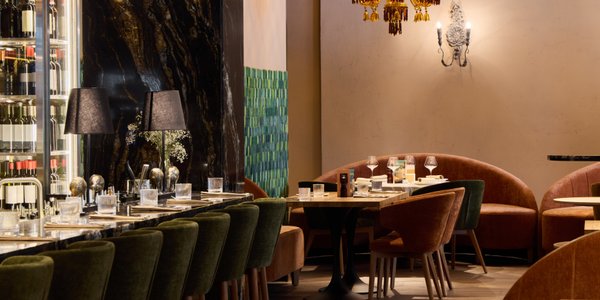
Restaurant served ants, owner could go to jail. He had a Michelin star.
Translated from Polish, summarized and contextualized by DistantNews.
At a glance
News
Named sources
In the courts
- A South Korean restaurant owner faces up to a year in prison for serving sorbet with dried ants.
- The restaurant, which held a Michelin star, imported ants from the US and Thailand, selling the ant dessert over 12,000 times.
- Ants are not on South Korea's list of approved food ingredients, and using them requires special permission.
The owner of a Michelin-starred restaurant in South Korea is facing a potential one-year prison sentence for serving sorbet containing dried ants. The restaurant, which had earned a prestigious culinary award, imported dried ants from the United States and Thailand to use as an ingredient in its desserts.
Prosecutors allege that the restaurant imported these ants starting in 2021 and served them in dishes for approximately four years. During this period, the ant-infused dessert was sold around 12,200 times, generating revenue exceeding 120 million won (approximately $86,000 USD). Prosecutors estimate that about 49,000 ants were used in total.
The defense attorney for the owner contested the prosecution's figures, arguing that only about 60% of customers accepted the ant additive, suggesting the revenue estimates were inflated. The lawyer also pointed out that ants are used as an ingredient in restaurants in countries like Denmark, the United Kingdom, and Australia. The defense claimed the chef had prior experience using dried ants for flavoring in the US and Europe and was unaware of the regulations in South Korea.
Under South Korean law, only ten specific insect species, including grasshoppers and silkworms, are permitted for use as food ingredients. Ants are not included on this list. Companies wishing to use insects not on the approved list must obtain prior consent from the Ministry of Food and Drug Safety. Violating these regulations can result in a prison sentence of up to five years or a fine of up to 50 million won (approximately $36,000 USD).
DistantNews Editorial
Originally published by Rzeczpospolita in Polish. Translated, summarized, and contextualized by our editorial team with added local perspective. Read our editorial standards.
More Stories


From Our Blog

What Gets Lost (and Found) When News Is Translated

The Critical Role of Diaspora Media in Global News

What Travellers Should Know About Countries with Restricted Press

A Digital Nomad's Guide to Following Local News

How the Same Story Looks Different in Different Countries
