


Retinal detachment risks blindness; cases double in South Korea
Translated from Korean, summarized and contextualized by DistantNews.
At a glance
News
Named sources
Context piece
- Retinal detachment, a condition where the retina separates from the back of the eye, can lead to irreversible blindness if left untreated.
- The number of patients diagnosed with retinal detachment has more than doubled in South Korea over the past decade, reaching over 100,000 in 2021.
- Prompt medical attention, including emergency surgery, is crucial for preserving vision, as the retina's function deteriorates without adequate blood supply.
A common eye condition, retinal detachment, poses a significant risk of permanent vision loss if not treated promptly. The disease involves the retina separating from the inner wall of the eye, preventing photoreceptor cells from receiving necessary nutrients and oxygen, leading to impaired function and potentially irreversible blindness.
Medical data reveals a concerning trend: the number of patients diagnosed with retinal detachment in South Korea has more than doubled in approximately ten years, rising from 53,148 in 2010 to 106,855 in 2021. This surge underscores the growing prevalence and urgency of addressing this condition.
Experts emphasize that retinal detachment is an ophthalmic emergency requiring immediate surgical intervention. The retina's delicate structure makes reconstruction extremely difficult once significantly damaged. Therefore, rapid treatment is essential to maximize vision preservation. Dr. Moon Yong-seok of Hallym University Kangnam Sacred Heart Hospital notes that the condition often begins in the periphery and progresses inward, affecting the macula, which is critical for central vision.
Retinal detachment progresses from the periphery to the central part, where important photoreceptor cells responsible for central vision are densely packed, so surgery must be performed quickly to preserve vision as much as possible.
While aging is a primary cause due to posterior vitreous detachment, there's a notable increase in younger individuals, particularly those in their 20s and 30s with severe myopia. Other risk factors include a family history of the condition, previous eye surgeries, severe eye trauma, or blunt force injuries to the eye.
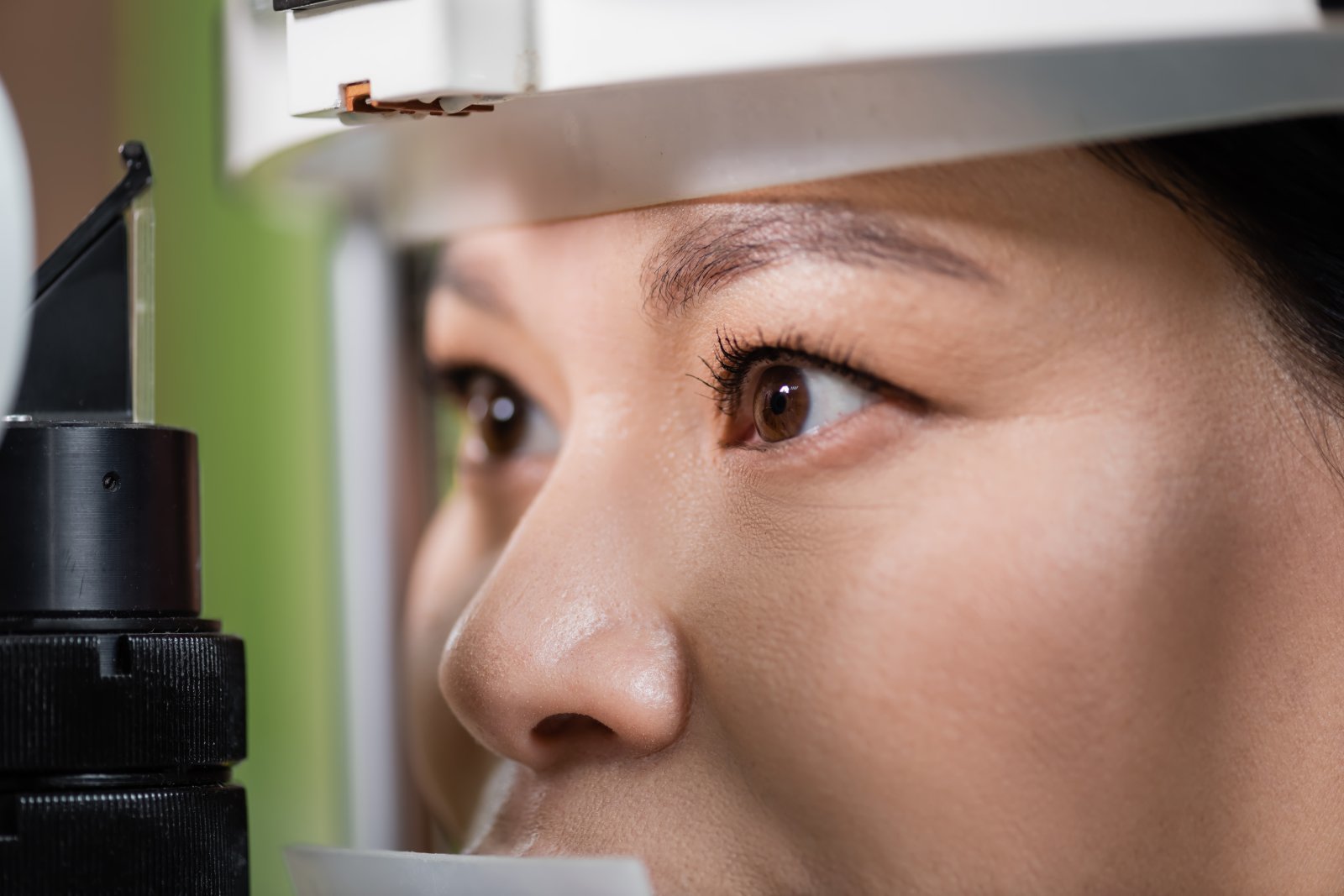
Early detection is key. Symptoms can include floaters (specks drifting in the field of vision), flashes of light, seeing multiple images of an object, or a curtain-like shadow obscuring part of the vision. If any of these symptoms appear, immediate medical attention is advised. Treatment options range from laser therapy for early stages to more invasive surgeries like vitrectomy or scleral buckling for advanced cases. Regular eye examinations are also recommended to catch the condition in its early, often asymptomatic, stages.
There are also cases where retinal detachment does not show specific symptoms in the early stages, so it is best to detect it early through regular fundus examinations.
DistantNews Editorial
Originally published by Dong-A Ilbo in Korean. Translated, summarized, and contextualized by our editorial team with added local perspective. Read our editorial standards.
More Stories



From Our Blog

What Gets Lost (and Found) When News Is Translated

The Critical Role of Diaspora Media in Global News

What Travellers Should Know About Countries with Restricted Press

A Digital Nomad's Guide to Following Local News

How the Same Story Looks Different in Different Countries
