


Rhode Island's 'Taylor Swift Tax' on Second Homes Sparks Fierce Debate
Translated from Greek, summarized and contextualized by DistantNews.
At a glance
News
Sources not specified
Context piece
- Rhode Island has enacted a new tax on second homes, nicknamed the "Taylor Swift tax," to fund affordable housing initiatives.
- The tax imposes a $5 per $1,000 assessment on properties valued over $1 million.
- While intended to help those struggling with housing costs, the tax faces backlash from families who have owned vacation homes for generations.
Rhode Island's new tax on second homes, dubbed the "Taylor Swift tax," has sparked significant debate. The law, effective July 1, imposes an additional tax of $5 per $1,000 on the assessed value of vacation properties exceeding $1 million. The revenue generated is earmarked for affordable housing programs, a critical need as housing costs soar in coastal communities.
The measure was approved by the local Parliament last year and aims to raise funds for affordable housing construction programs, at a time when housing costs have skyrocketed even in small coastal communities.
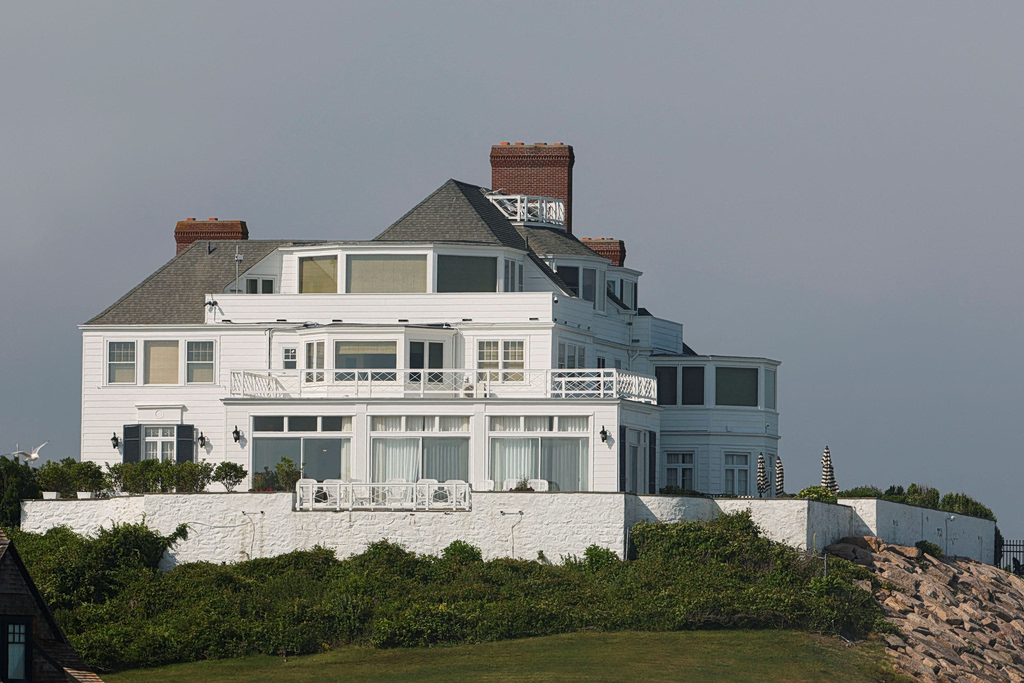
The nickname derives from pop superstar Taylor Swift, who owns a lavish $28 million mansion in the state's Watch Hill area. Under the new law, she could face an annual tax bill of approximately $136,000. However, the most vocal opposition comes not from the ultra-wealthy, but from families who have owned modest vacation homes for decades, sometimes across multiple generations.
The nickname 'Taylor Swift tax' emerged because the famous American singer owns a luxury mansion in the Watch Hill area, valued at around $28 million. Based on the new legislation, she is estimated to have to pay an additional tax of approximately $136,000 annually.
These families argue that while their homes may be small, their property values have skyrocketed due to rising real estate prices, pushing them over the $1 million threshold. They feel unfairly targeted as wealthy taxpayers, despite their income not necessarily reflecting their property's market value. Local authorities have notified over 8,000 property owners who may be subject to the tax, with some facing a potential 50% increase in their property tax burden.
The most intense reactions come from families who have owned small vacation homes on the Rhode Island coast for decades, even for many generations.
Supporters of the tax contend that owners of expensive second homes can afford to contribute more to housing initiatives, especially in areas where permanent residents struggle to find affordable places to live. Critics, however, decry the tax as unfair, arguing it penalizes owners based solely on market value rather than their ability to pay. The debate highlights the tension between addressing a housing crisis and the financial impact on long-term, multi-generational property owners.
Local authorities have already sent notices to more than 8,000 property owners who may fall under the new regime. For some of them, the total property tax burdens are expected to increase by up to 50% compared to previous levels.
DistantNews Editorial
Originally published by Ta Nea in Greek. Translated, summarized, and contextualized by our editorial team with added local perspective. Read our editorial standards.
More Stories



From Our Blog

What Gets Lost (and Found) When News Is Translated

The Critical Role of Diaspora Media in Global News

What Travellers Should Know About Countries with Restricted Press

A Digital Nomad's Guide to Following Local News

How the Same Story Looks Different in Different Countries
