

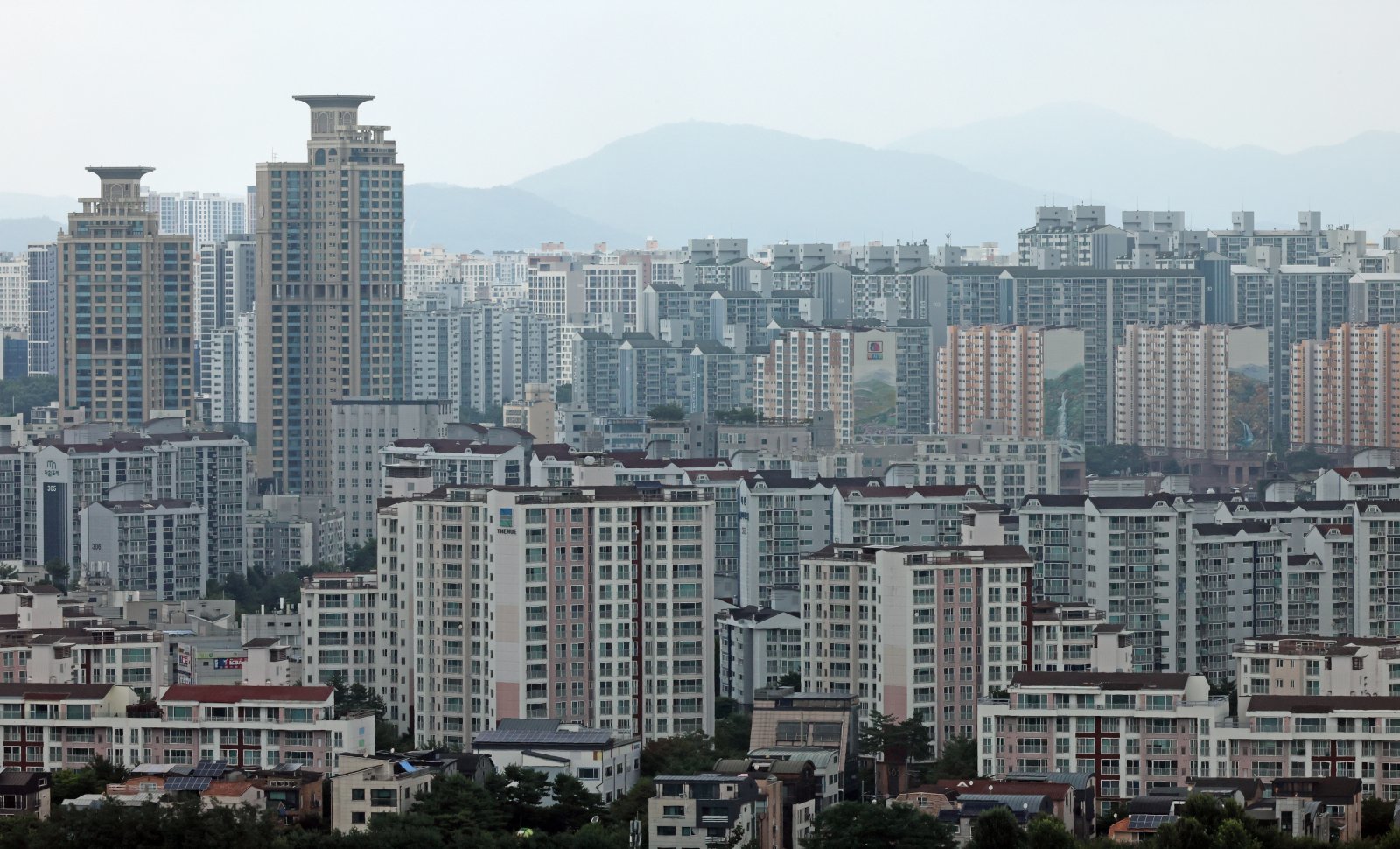

Riders pushed to the brink by 'grade competition' to maintain status
Translated from Korean, summarized and contextualized by DistantNews.
At a glance
In-depth
Documents & data
Context piece
- Delivery riders in South Korea are facing immense pressure to maintain high performance rankings to secure their income.
- Platforms like Baemin and Coupang Eats use tiered ranking systems that offer differential pay, pushing riders to work excessively long hours and take risks.
- This 'grade competition' is identified as a major factor contributing to the high rate of industrial accidents in the delivery sector.
Delivery riders in South Korea are caught in a relentless cycle of 'grade competition,' driven by platform algorithms that tie income to performance rankings. Riders like Lee, a 30-year-old 'Grandmaster' on the Baemin platform, work 10-12 hours daily without days off, fearing a drop in their ranking. "I'm so anxious about my grade falling that I ride to the point of death," Lee told Hankyoreh. "Even when I was hospitalized for a minor collision for a week, I got back on my motorcycle as soon as I was discharged."
Baemin and Coupang Eats, two of the largest delivery platforms, have again topped the list for industrial accident claims in the first half of the year. Riders attribute the high accident rates primarily to the tiered ranking systems. To maintain their livelihoods, riders must achieve top rankings, which necessitates working longer hours and accepting higher risks, including accidents.
I'm so anxious about my grade falling that I ride to the point of death. Even when I was hospitalized for a minor collision for a week, I got back on my motorcycle as soon as I was discharged.
These platforms categorize riders into various tiers, such as Baemin's Grandmaster, Master, Diamond, Platinum, and Gold, and Coupang Eats' Gold Plus, Green, and others. These tiers determine pay, with higher ranks receiving significant bonuses on top of the base delivery fee. As base delivery fees have trended downward, the allure of these bonuses has intensified, creating an almost obsessive drive among riders to maintain their status.
The base pay is constantly being cut, creating a structure where you have to work longer to maintain your grade to make a living. There are many riders who work until the early morning under pressure to meet the grade requirements.
Rider union officials report that many riders work late into the night to meet the conditions for maintaining their grades. Tragically, this pressure has led to fatalities. One rider, who died last August after being hit by a city bus while working a night shift for Coupang Eats, was in the platform's top 'Gold Plus' tier. In the week before his death, he completed 248 deliveries with a 97% acceptance rate. Another rider recalled a colleague who died from a sudden rise in blood pressure while working in the rain to accumulate points for the grading system, emphasizing that such incidents are not uncommon.
Experts and labor advocates are calling for regulations on these platform-based grading systems and for fair compensation for delivery workers. They argue that the government needs to establish clear standards for minimum wages for special employment and platform workers, who are often classified as independent contractors. Without such measures, the current system will continue to push riders into dangerous working conditions.
The government is still avoiding setting standards, even though there is a provision in the Minimum Wage Act that allows for separate minimum wage setting for workers whose wages are determined by contracts like this. At this point, the government must actively move to establish platform regulations along with appropriate compensation for the safety of special employment and platform workers.
DistantNews Editorial
Originally published by Hankyoreh in Korean. Translated, summarized, and contextualized by our editorial team with added local perspective. Read our editorial standards.
More Stories


From Our Blog

What Gets Lost (and Found) When News Is Translated

The Critical Role of Diaspora Media in Global News

What Travellers Should Know About Countries with Restricted Press

A Digital Nomad's Guide to Following Local News

How the Same Story Looks Different in Different Countries
