

Riders' union slams late-night doping tests during Tour de France
Translated from Danish, summarized and contextualized by DistantNews.
At a glance
News
Named sources
Context piece
- Cyclists' union CPA criticizes the International Testing Agency (ITA) for conducting doping tests on Tour de France riders, including Jonas Vingegaard and Tadej Pogačar, in the early hours of the morning.
- The union argues that these late-night tests disrupt riders' essential sleep and recovery, potentially compromising their health and performance.
- CPA suggests reallocating resources from intrusive tests to scientific research for more effective anti-doping methods, questioning the necessity of interrupting sleep for testing.
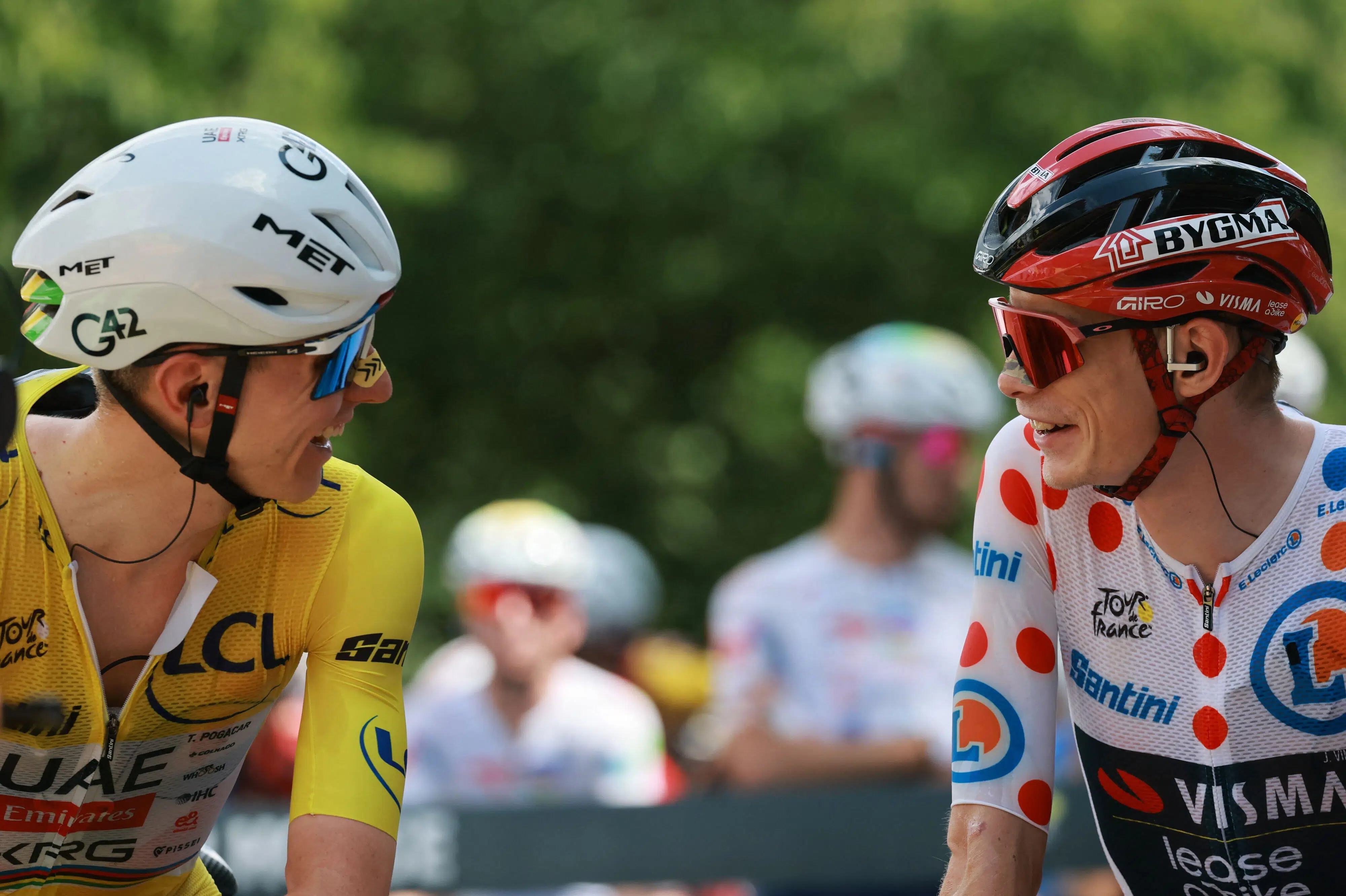
The professional cyclists' association, CPA, has strongly criticized the International Testing Agency (ITA) for conducting late-night doping tests on Tour de France riders. Both Jonas Vingegaard and Tadej Pogačar were reportedly tested at 2:00 AM and 5:00 AM respectively, just before a crucial mountain stage.
It is relevant to question the relevance of night tests. It should be seriously considered whether it is necessary to interrupt riders' sleep in the middle of the night to test them.
According to French media, a Paris court authorized these early morning tests at the ITA's request. However, the CPA argues that interrupting riders' sleep is unnecessary and detrimental. "It is relevant to question the relevance of night tests. It should be seriously considered whether it is necessary to interrupt riders' sleep in the middle of the night to test them," the union stated on X.
The CPA emphasizes that quality sleep and recovery are vital for both performance and the health and safety of athletes competing in the demanding Tour de France. "Tour de France requires an exceptional physical effort. The quality of sleep and recovery is essential. Not only for performance, but also for the riders' health and safety," the union added.
Tour de France requires an exceptional physical effort. The quality of sleep and recovery is essential. Not only for performance, but also for the riders' health and safety.
Following his early morning test, Jonas Vingegaard crashed and withdrew from the race on Sunday due to a broken collarbone. When asked if the test had affected his concentration, Vingegaard told TV 2 Sport, "It certainly didn't do any good. Whether it's the reason, I dare not speculate. I won't blame it, because it's cycling, and crashes happen in cycling."
It certainly didn't do any good. Whether it's the reason, I dare not speculate. I won't blame it, because it's cycling, and crashes happen in cycling.
The CPA points out that professional cycling contributes €10 million annually to anti-doping efforts. They suggest that these resources could be better utilized. "Wouldn't it be more appropriate to increase investments in scientific research and new testing methods rather than increasing the number of particularly intrusive unannounced doping tests?" the union questioned, advocating for fairness and adequate recovery for all athletes.
Wouldn't it be more appropriate to increase investments in scientific research and new testing methods rather than increasing the number of particularly intrusive unannounced doping tests?
DistantNews Editorial
Originally published by Berlingske in Danish. Translated, summarized, and contextualized by our editorial team with added local perspective. Read our editorial standards.
More Stories


From Our Blog

What Gets Lost (and Found) When News Is Translated

The Critical Role of Diaspora Media in Global News

What Travellers Should Know About Countries with Restricted Press

A Digital Nomad's Guide to Following Local News

How the Same Story Looks Different in Different Countries
