

Roberto Borge's defense to take case to IACHR, alleging rights and treaty violations by Panama
Translated from Spanish, summarized and contextualized by DistantNews.
At a glance
News
Named sources
In the courts
- Roberto Borge's defense will take his case to the Inter-American Commission on Human Rights (IACHR).
- They accuse Panama of violating the extradition treaty with Mexico and Borge's human rights.
- This action follows Borge's acquittal of organized crime charges, which his lawyers argue reopens the legality of his extradition.
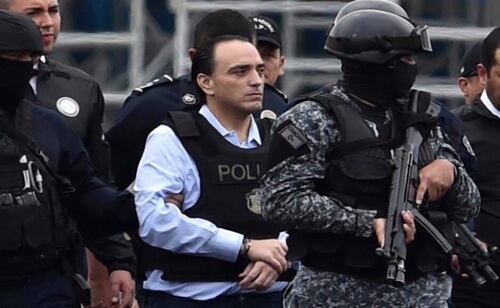
The defense team for former Quintana Roo governor Roberto Borge Angulo plans to present his case to the Inter-American Commission on Human Rights (IACHR). They allege that the Panamanian government committed procedural violations and that Borge faced inhumane conditions during his detention. His lawyers assert that Panama breached the extradition treaty with Mexico and infringed upon Borge's human rights throughout the process that led to his extradition in January 2018.
This move comes two months after Borge was acquitted of organized crime charges. His legal representatives in Panama contend that this acquittal necessitates a review of the legality of Panama's decision in 2022 to expand the grounds for his extradition. The defense argues that the authorization to include the organized crime charge, which they claim was based on the same facts as previous charges, violated the principle of specialty outlined in the international extradition treaty between Panama and Mexico.
Borge was initially arrested in Panama for charges related to money laundering and embezzlement, stemming from the alleged sale of state assets at below-market prices to associates. In 2019, Mexico's Attorney General's Office added a fifth charge of organized crime, which the defense claims was an attempt to prosecute him for the same underlying actions already covered by the initial extradition request.
DistantNews Editorial
Originally published by El Universal in Spanish. Translated, summarized, and contextualized by our editorial team with added local perspective. Read our editorial standards.
More Stories

From Our Blog

What Press Freedom Means for the News You Read

What Gets Lost (and Found) When News Is Translated

The Critical Role of Diaspora Media in Global News

What Travellers Should Know About Countries with Restricted Press

A Digital Nomad's Guide to Following Local News
