


Robotics combats screen addiction: A 'Toy Story 5' inspired solution
Translated from Spanish, summarized and contextualized by DistantNews.
At a glance
News
Sources not specified
Context piece
- Researchers are developing educational robotics to combat the negative effects of excessive screen time on children's development.
- The project, a collaboration between Mexico's IBERO University and Colombia's Pontificia Universidad Javeriana, aims to make technology an active tool for physical and social development.
- This approach contrasts with screen addiction depicted in 'Toy Story 5,' offering a solution that integrates technology with physical activity and collaboration.
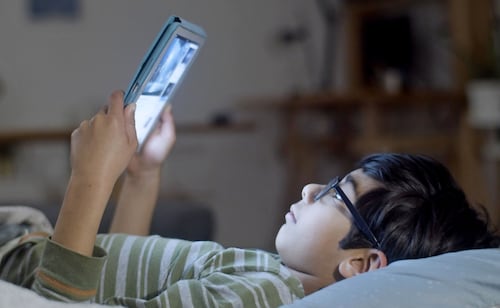
While Pixar's 'Toy Story 5' highlights the growing problem of children prioritizing electronic devices over traditional toys, a team of international researchers is engineering a solution.
The central conflict in the new 'Toy Story' installment sees Bonnie neglecting her toys for a tablet, mirroring a real-world issue backed by scientific evidence: excessive screen time is altering childhood development. This digital distraction can atrophy basic motor skills like coordination, balance, and spatial orientation.
However, instead of demonizing technology, researchers at Mexico's IBERO University, led by Dr. Alexandro López González, are proposing to use technology itself to combat this issue. In a binational study with Colombia's Pontificia Universidad Javeriana, they are developing educational robotics. Their goal is to transform passive screen time into active engagement, encouraging children to move, interact, and collaborate physically.
This initiative aims to 'hack' digital passivity by creating robotic tools that require children to move around rooms, manipulate real objects, and participate in team challenges. The technology becomes a medium for stimulating movement and in-person collaboration, rather than a sedentary end in itself. This approach offers a constructive alternative to screen addiction, focusing on integrating technology to enhance physical activity and social interaction.
the hospitality and warmth of physical play are lost to the screen
DistantNews Editorial
Originally published by El Universal in Spanish. Translated, summarized, and contextualized by our editorial team with added local perspective. Read our editorial standards.
More Stories


From Our Blog

What Press Freedom Means for the News You Read

What Gets Lost (and Found) When News Is Translated

The Critical Role of Diaspora Media in Global News

What Travellers Should Know About Countries with Restricted Press

A Digital Nomad's Guide to Following Local News
