

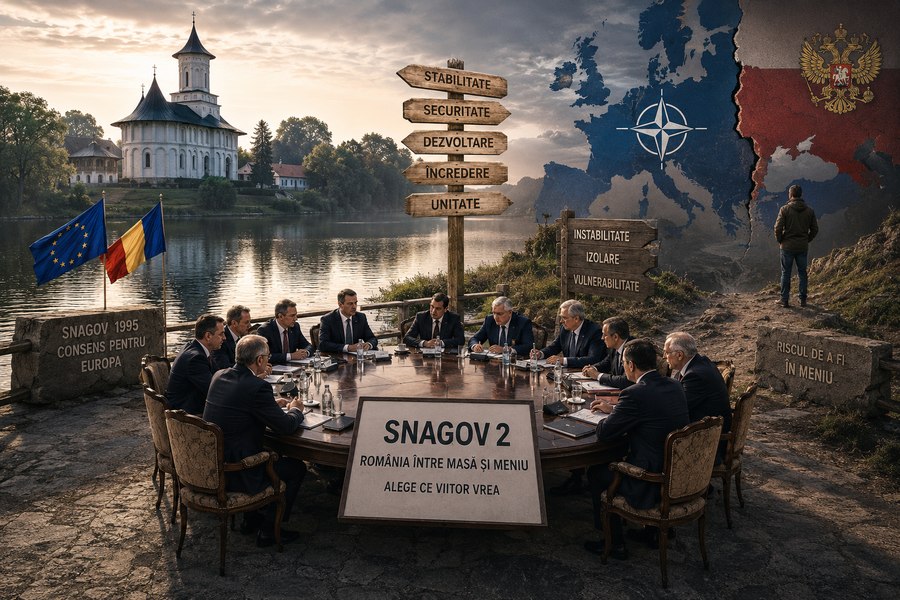
Romania needs a 'Snagov 2' to remain relevant in a transactional world
Translated from Romanian and summarized by DistantNews. Read the original for the full story.
At a glance
Analysis
Sources not specified
Context piece
- Romania faces a critical juncture, requiring a new strategic consensus akin to the 1995 'Snagov' meeting.
- The country must leverage its NATO and EU membership into tangible power to stay relevant as global priorities shift.
- A new generation views NATO and EU membership as realities, not goals, necessitating a rebuilding of consensus.
Romania stands at a crossroads, facing a complex geopolitical landscape that demands a new strategic consensus, a "Snagov 2." The nation must move beyond simply maintaining its Western orientation and actively translate its NATO and European Union membership into genuine economic, military, and diplomatic strength. This is crucial to ensure Romania retains relevance as major global powers renegotiate their priorities and alliances become increasingly transactional.
The original "Snagov" meeting in 1995 saw Romanian political leaders set aside internal disputes to jointly support the country's accession to the European Union. This was followed by a similar consensus for NATO membership in 2001. These moments of strategic unity were instrumental in Romania's historic achievements: joining NATO in 2004 and the EU in 2007. For nearly three decades, this Euro-Atlantic alignment was a rare point of broad political agreement.
However, this consensus is no longer guaranteed. The rise of figures questioning this fundamental axiom, coupled with growing skepticism towards the West and a temptation towards an "in-between worlds" foreign policy, has entered electoral competition. This indicates that the old consensus must be actively rebuilt and explained, particularly to a younger generation that has grown up with NATO and EU membership as established realities rather than aspirational goals.
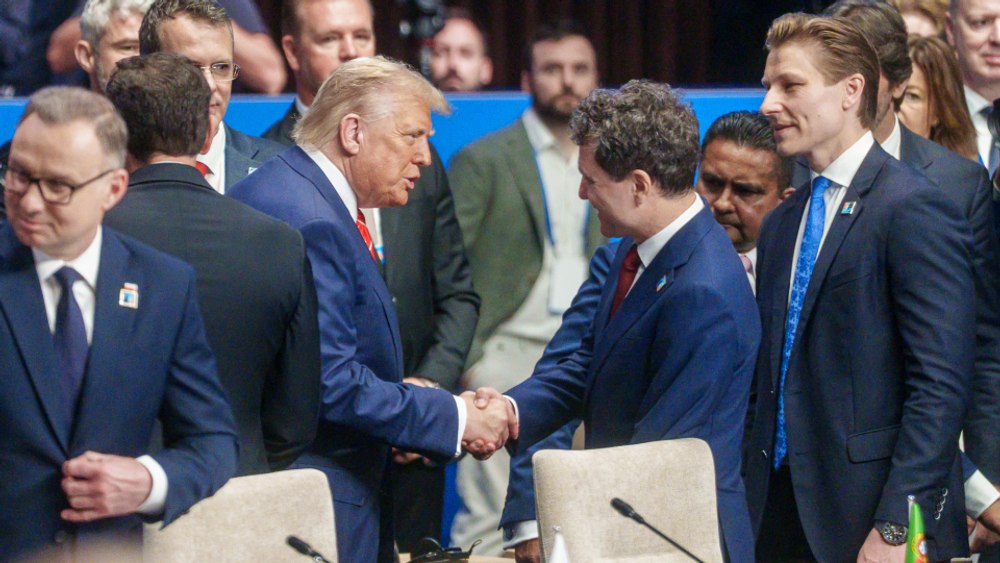
Simultaneously, the international context has shifted, particularly concerning the United States. The current American administration views alliances through a more transactional lens, prioritizing concrete American interests. This means evaluating allies based on their contributions to defense spending, infrastructure, and the burden they can shoulder. For Eastern Europe, this necessitates a proactive approach from Romania to demonstrate its value and secure its position in evolving global dynamics.
About this summary
Originally published by Adevărul in Romanian. Translated, summarized, and contextualized automatically by DistantNews, with a note on how the source frames the story. Not individually reviewed before publishing. How this works.
More Stories


From Our Blog

What Gets Lost (and Found) When News Is Translated

The Critical Role of Diaspora Media in Global News

What Travellers Should Know About Countries with Restricted Press

A Digital Nomad's Guide to Following Local News

How the Same Story Looks Different in Different Countries
