


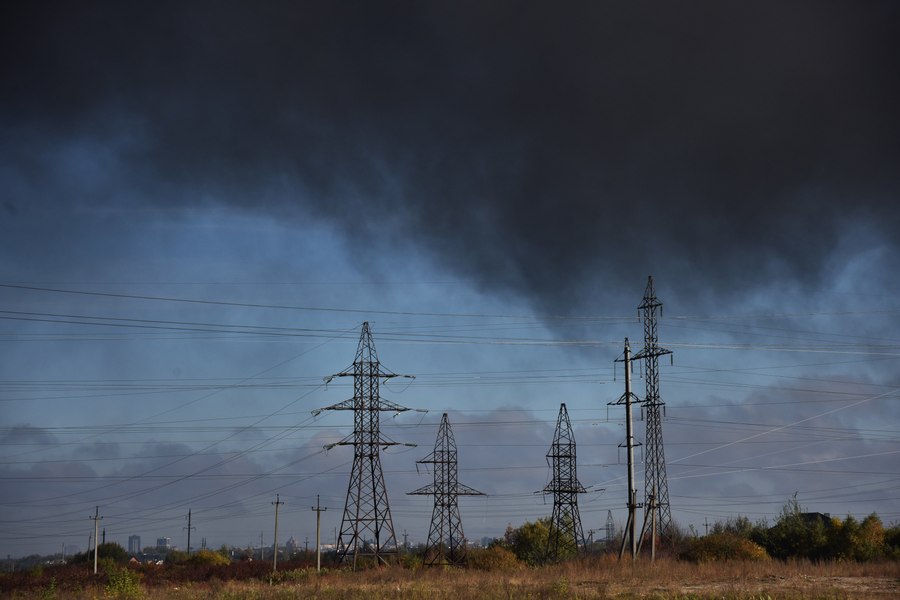
Romania's energy focus neglects cooling; district heating needs adaptation, expert says
Translated from Romanian, summarized and contextualized by DistantNews.
At a glance
News
Named sources
Context piece
- Romania is overly focused on electricity and solar power, neglecting the modernization of district heating systems and centralized cooling solutions, warns an energy expert.
- Rising heatwaves are shifting Romania's energy consumption peak from winter to summer due to increased air conditioner use, straining the electrical grid.
- Experts propose adapting district heating infrastructure for cooling, suggesting city-specific solutions like heat pumps in Bucharest and trigeneration in Timișoara.
Romania's energy sector is dangerously fixated on electricity, solar panels, and batteries, while critical infrastructure like district heating systems and centralized cooling solutions are being overlooked. Dumitru Chisăliță, president of the Intelligent Energy Association (AEI), warns this imbalance risks significant energy problems for the country.
Chisăliță highlights that extreme heatwaves are fundamentally altering Romania's energy consumption patterns. The peak demand, traditionally in winter, is shifting to summer as air conditioning use surges. He calculates that a single apartment can consume an extra 50 to 130 kWh per month for cooling during heatwaves, translating to hundreds of MWh of additional demand across cities, precisely when electrical grids are already under strain.
While Romania possesses an extensive district heating network, it suffers from high losses, insufficient investment, and outdated technology. Chisăliță argues that the future lies in modern, centralized heating and cooling systems, such as fourth and fifth-generation district heating, which can efficiently manage both heating and cooling needs. He dismisses the sole reliance on individual air conditioning units as unsustainable for major cities, citing their contribution to peak electricity demand, heat discharge into the environment, and the urban heat island effect.
To address these challenges, Chisăliță recommends tailored modernization strategies for district heating. For Bucharest, he suggests reducing network temperatures, deploying large-scale heat pumps, piloting centralized cooling zones, and implementing thermal energy storage. Cluj-Napoca could benefit from new heating and cooling networks in developing areas, phasing out individual gas boilers. Timișoara, facing intense summers, should invest in trigeneration and centralized cooling for key facilities like hospitals and university campuses.
Heatwaves don't just increase discomfort. They shift the peak of electricity consumption to summer, especially through air conditioning units.
DistantNews Editorial
Originally published by Adevărul in Romanian. Translated, summarized, and contextualized by our editorial team with added local perspective. Read our editorial standards.
More Stories
From Our Blog

What Gets Lost (and Found) When News Is Translated

The Critical Role of Diaspora Media in Global News

What Travellers Should Know About Countries with Restricted Press

A Digital Nomad's Guide to Following Local News

How the Same Story Looks Different in Different Countries
