

Romania's 'Marble Road' project begins, aiming to revive tourism in depopulated mountains
Translated from Romanian, summarized and contextualized by DistantNews.
At a glance
News
Named sources
New plan
- Construction begins on the first 16.5 kilometers of the "Marble Road" in Romania's Poiana Ruscă Mountains.
- The project aims to boost tourism in a region with abandoned villages but growing tourist appeal.
- The nearly 60-kilometer road, funded by European Union money, is expected to be completed by 2028.
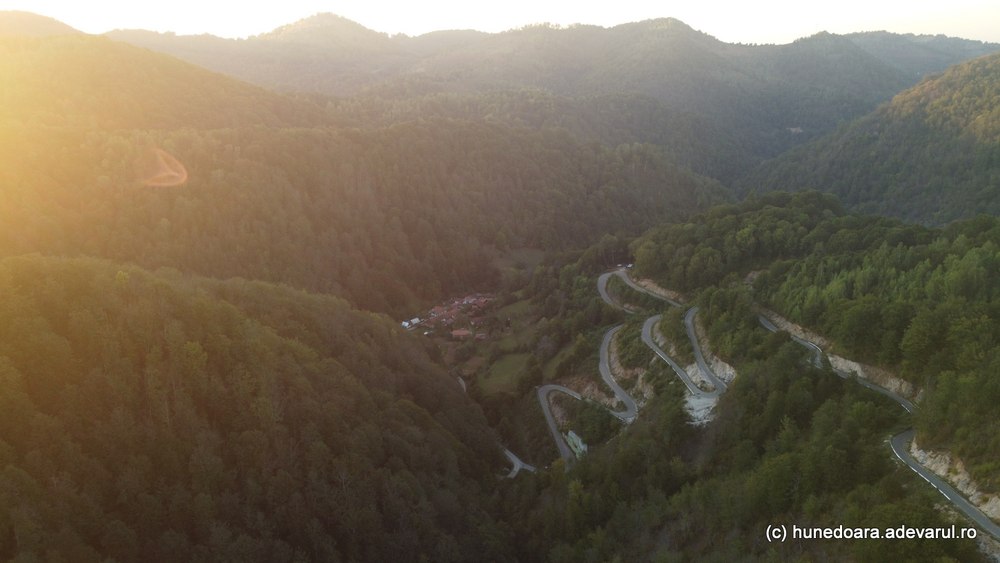
Construction has commenced on the initial 16.5 kilometers of the "Marble Road," a mountain route designed to revitalize tourism in Romania's Poiana Ruscă Mountains. This project, co-funded by European Union funds, aims to connect the counties of Caraș-Severin, Timiș, and Hunedoara.
The road traverses isolated communities that are increasingly attracting tourists. In Timiș county, it passes through Valea lui Liman, a popular recreational area. In Caraș-Severin, the route will descend near the Ruschița marble quarry, one of Romania's largest. In Hunedoara, it leads into the Pădurenilor region, known for its ancient villages nestled in forests.
Beyond its tourism potential, some locals view the road as a necessary investment to curb depopulation in the Poiana Ruscă Mountains. This region, spanning nearly 2,500 square kilometers, has historically been wild and sparsely populated due to its rugged terrain and poor agricultural soil. While it attracted settlers for its mineral resources and offered refuge in earlier centuries, it faced significant depopulation after World War II, despite brief periods as mining centers during the communist era. The closure of mines after 1990 accelerated this trend.
DistantNews Editorial
Originally published by Adevărul in Romanian. Translated, summarized, and contextualized by our editorial team with added local perspective. Read our editorial standards.
More Stories

From Our Blog

What Gets Lost (and Found) When News Is Translated

The Critical Role of Diaspora Media in Global News

What Travellers Should Know About Countries with Restricted Press

A Digital Nomad's Guide to Following Local News

How the Same Story Looks Different in Different Countries
