

Romania's NATO Challenge: Preparing for 'NATO 3.0' and Increased Defense Responsibilities
Translated from Romanian, summarized and contextualized by DistantNews.
At a glance
Analysis
Sources not specified
Context piece
- Romania faces the challenge of preparing for a new NATO doctrine, dubbed 'NATO 3.0,' which requires increased European military spending and greater responsibility for the Eastern flank.
- The country must assess its current and future military capabilities, internal commitments, and external projection capacities.
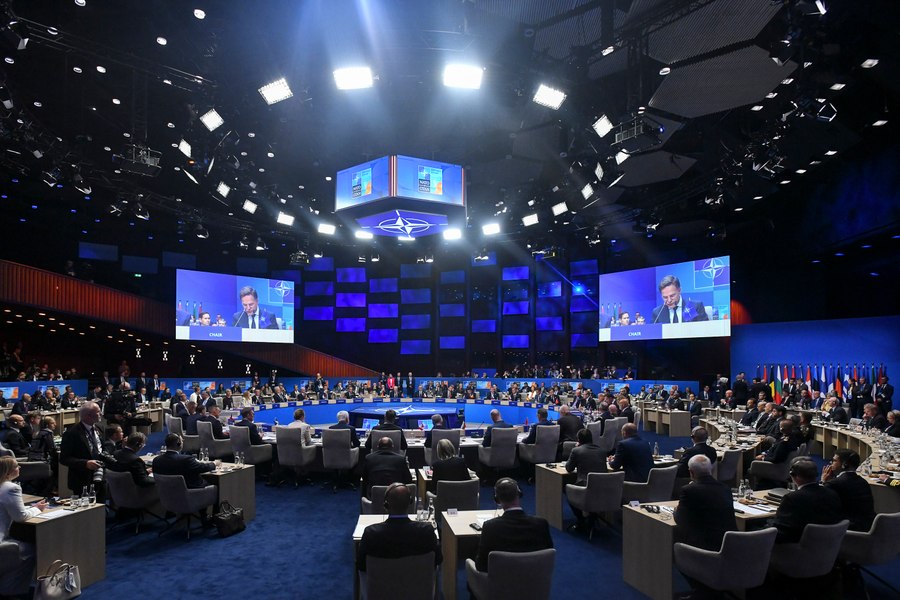
- Romania's delegation at the upcoming NATO summit in Ankara will need to address how the nation will contribute to the alliance's European defense dimension and its own defense industry.
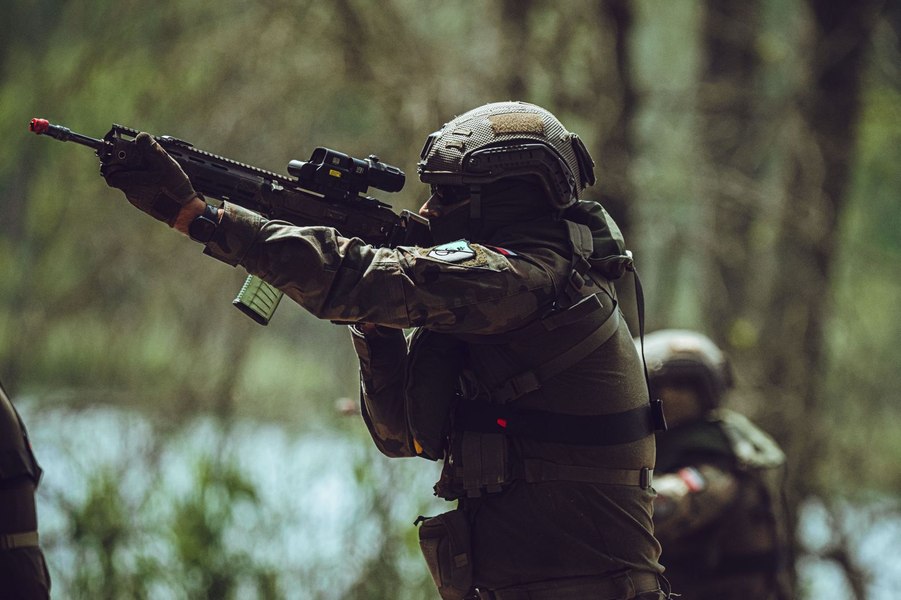
Romania is preparing for a significant strategic shift within NATO, facing the challenge of adapting to a new doctrine referred to as 'NATO 3.0.' This evolving framework necessitates a substantial increase in European military expenditures and a greater assumption of responsibility for the security of NATO's Eastern flank, particularly in light of a potential reduction in U.S. troop presence on the continent.
The Romanian delegation attending the upcoming NATO summit in Ankara must be prepared to articulate the nation's strategy for this new era. This includes a thorough assessment of Romania's current and prospective military capabilities, its domestic commitments, and its capacity for external force projection. A comprehensive risk study, covering economic, social, and military dimensions, should ideally inform these discussions, though such detailed analyses are often not publicly disclosed.
A key focus for Romania will be its contribution to the development of NATO's 'autonomous European sector,' a concept emphasizing concrete actions to bolster the defense industry and technological capabilities of member states. The nation's ability to meet its defense spending commitments, particularly the goal of allocating 5% of GDP to defense by 2025 (a target set by most members except Spain), will be under scrutiny.
Furthermore, Romania aims to leverage its position as a founding member of the new Defense, Security and Resilience Bank, an initiative promoted by Canadian Prime Minister Justin Trudeau and former NATO official Mircea Geoană. This new financial institution, set to launch at the Ankara summit, could offer opportunities for Romanian small and medium-sized enterprises in the defense industry to access funding and support for their projects, potentially complementing existing initiatives like SAFE and SAFE 2.
DistantNews Editorial
Originally published by Adevărul in Romanian. Translated, summarized, and contextualized by our editorial team with added local perspective. Read our editorial standards.
More Stories
From Our Blog

What Gets Lost (and Found) When News Is Translated

The Critical Role of Diaspora Media in Global News

What Travellers Should Know About Countries with Restricted Press

A Digital Nomad's Guide to Following Local News

How the Same Story Looks Different in Different Countries
