


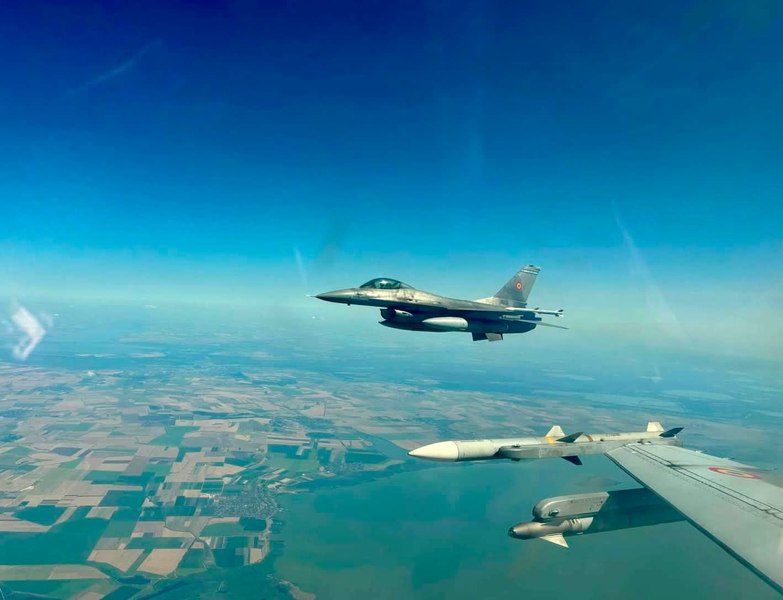
Romania Scrambles for Anti-Drone Systems for Strategic Airports
Translated from Romanian, summarized and contextualized by DistantNews.
At a glance
News
Sources not specified
New plan
- Romania's interim government has begun seeking anti-drone systems for its strategic airports, Băneasa and Otopeni, following a recent discovery of the urgent need.
- The delay in acquiring these systems is attributed to a focus on national airspace surveillance and border areas, with drones encountered so far being mostly for observation, not attack.
- European Union documents recommend member states equip airports and critical infrastructure with drone defense systems, offering direct financing options.
Romania's interim government has initiated a search for anti-drone systems to equip its strategic airports, Băneasa and Otopeni. This move comes after a belated recognition on August 23rd of the urgent need to address aerial security threats, a situation described as akin to discovering snow on roads in winter for road maintenance crews.
The delay in implementing such protective measures at critical infrastructure like airports is puzzling, especially given their priority status in national defense strategies. An explanation offered suggests that budgetary efforts and system integration have primarily focused on general national airspace surveillance and border regions deemed at risk, including operations in the Black Sea. The drones encountered thus far have reportedly been primarily for observation, such as the Gerbera type, rather than attack drones or kamikaze drones targeting specific objectives.
This perceived lower threat level may have led officials, including the interim minister, to consider civil airport infrastructures as less of a priority target. Furthermore, the complexity of installing advanced kinetic and non-kinetic neutralization devices, which must comply with strict international aviation security regulations, involves a lengthy and costly process of evaluation, certification, and installation.
However, European Union documents, specifically the Action Plan on Drone and Counter Drone Security from February 2026, highlight the need for member states to equip airports and other critical infrastructures. The plan, which should have been discussed in the Romanian Parliament and potentially the Supreme Council of National Defence (CSAT), encourages the use of direct financing lines, with the EU Commission pledging 250 million Euros for such measures. This EU initiative underscores the importance of proactive drone defense strategies for critical infrastructure across the continent.
DistantNews Editorial
Originally published by Adevărul in Romanian. Translated, summarized, and contextualized by our editorial team with added local perspective. Read our editorial standards.
More Stories


From Our Blog

What Gets Lost (and Found) When News Is Translated

The Critical Role of Diaspora Media in Global News

What Travellers Should Know About Countries with Restricted Press

A Digital Nomad's Guide to Following Local News

How the Same Story Looks Different in Different Countries
