


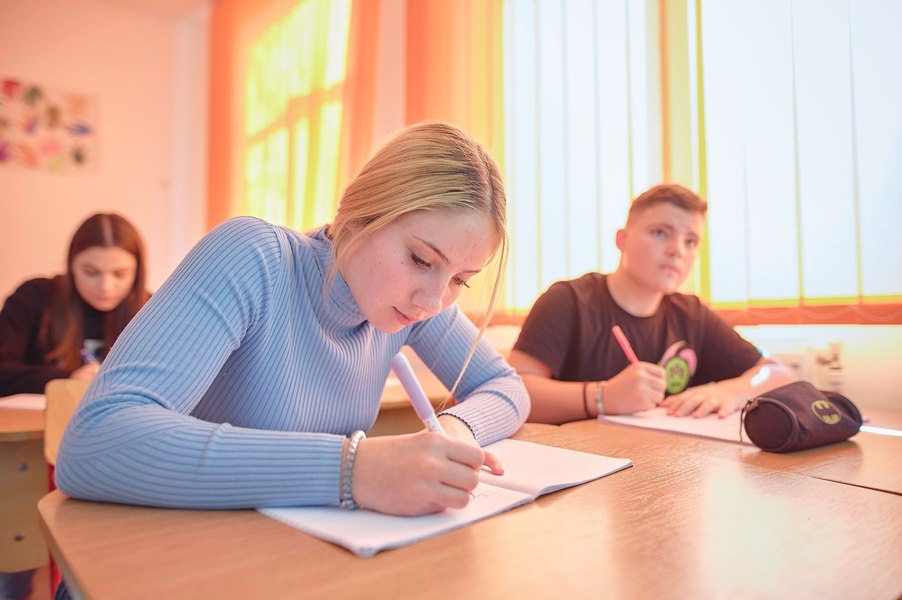
Romanian Baccalaureate Reveals Major Urban-Rural Divide
Translated from Romanian, summarized and contextualized by DistantNews.
At a glance
News
Sources not specified
New plan
- Romanian Baccalaureate 2026 results reveal a significant performance gap between urban and rural students.
- Urban students have a 50% higher chance of passing the exam compared to their rural counterparts.
- The disparity cannot be solely explained by differences in student preparation, suggesting deeper systemic issues.
The 2026 Romanian Baccalaureate exam results expose a stark divide between students from urban and rural areas, with those in cities demonstrating a significantly higher success rate. Published on Tuesday, July 7, the written exam scores reveal that urban students possess a 50% greater chance of passing the crucial national examination compared to their peers in rural settings.
This substantial discrepancy has raised concerns, as it cannot be attributed solely to variations in academic preparation or teaching quality. While differences in educational resources and opportunities between urban and rural schools are known, the magnitude of this gap suggests that other factors may be at play, potentially related to socioeconomic conditions or broader systemic inequalities.
Officials and educators are now grappling with the implications of these results. The findings challenge the notion of equal educational opportunity within Romania and highlight the need for targeted interventions to support rural students. Further analysis is expected to explore the root causes of this persistent educational disparity and to identify strategies for bridging the divide.
DistantNews Editorial
Originally published by Adevărul in Romanian. Translated, summarized, and contextualized by our editorial team with added local perspective. Read our editorial standards.
More Stories

From Our Blog

What Gets Lost (and Found) When News Is Translated

The Critical Role of Diaspora Media in Global News

What Travellers Should Know About Countries with Restricted Press

A Digital Nomad's Guide to Following Local News

How the Same Story Looks Different in Different Countries
