


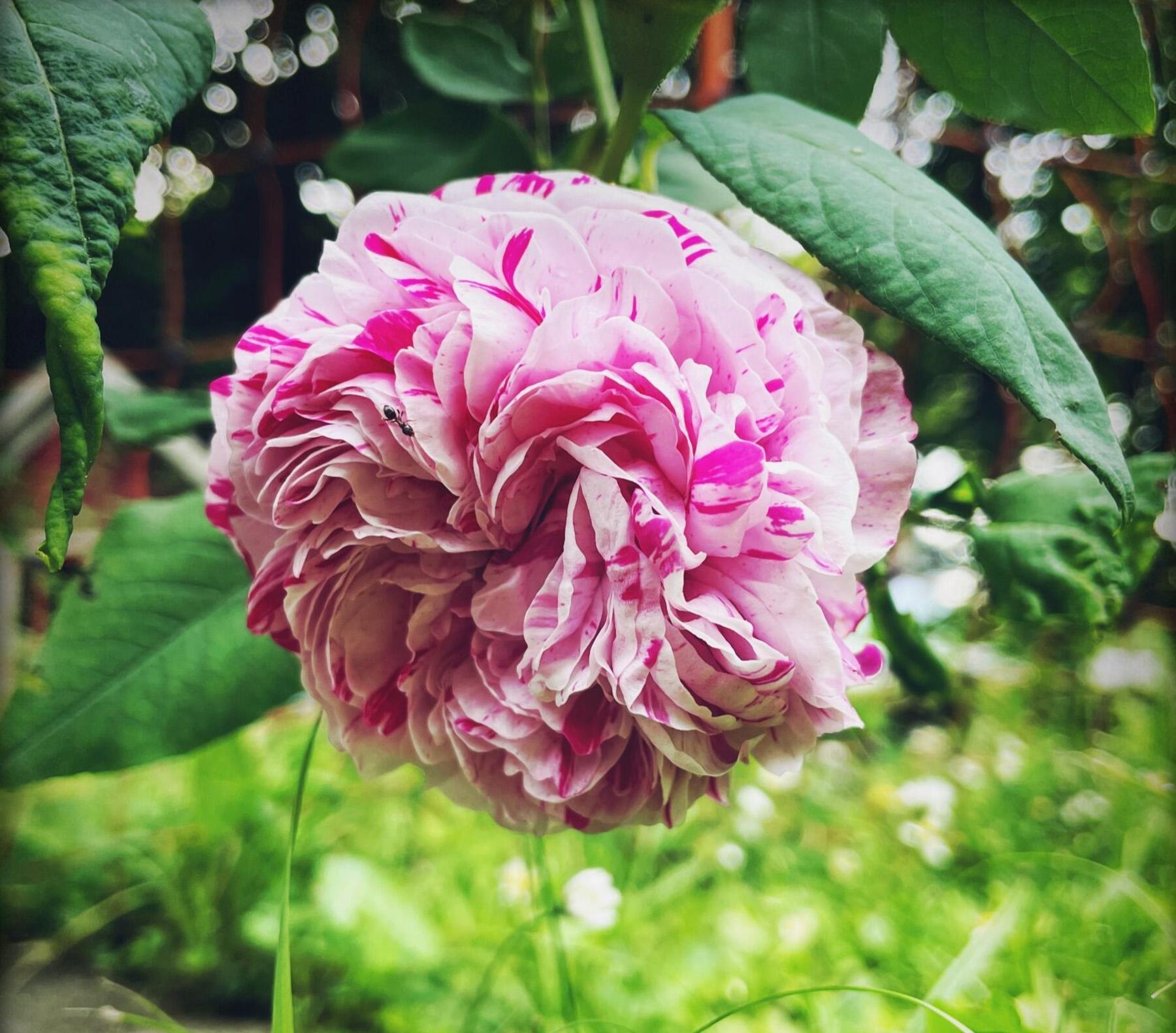
Roses for the Lazy: The Best Varieties for Minimal Garden Work
Translated from German, summarized and contextualized by DistantNews.
At a glance
In-depth
Sources not specified
Context piece
- The article recommends easy-care rose varieties for gardeners who want beauty with minimal effort.
- It contrasts these robust roses with more demanding hybrid tea roses, which require more attention and are prone to disease and drought.
- The author highlights wild roses like Rosa moyesii and historical roses as resilient options that bloom once and need little pruning.
For gardeners who dream of a rose-filled garden but dread the intensive care, a German publication offers a guide to the most forgiving varieties. The author, admitting to being "too lazy" for high-maintenance hybrid teas, explains why these popular "queens of the vase" are often unsuitable for those seeking low-effort blooms.
Oh my God, they must all be cut in the spring?
Hybrid teas, while prized for their large, single-stemmed flowers, are typically more susceptible to diseases and less resistant to drought than their hardier relatives. The article champions roses that root deeply and thrive with minimal watering, even on challenging terrain. These robust plants offer a fragrant display without demanding constant attention.
The piece introduces wild roses, such as the striking Rosa moyesii native to China and Tibet, as excellent choices. These roses grow tall but remain delicate, producing simple, cup-shaped flowers that attract bees. While most wild roses bloom only once, they are remarkably resilient and tolerate partial shade, making them ideal for bordering less interesting areas of a garden.
No, not all of them, and some should not be cut at all.
Another category recommended for its low maintenance is "old" or "historical" roses, including types like Rosa damascena, gallica, and centifolia. The general rule of thumb is that most roses blooming once a year can be pruned but do not require it. This also applies to historical shrub roses like Fantin Latour and Maiden's Blush, as well as park roses such as Ballerina and Schneewittchen. The key, the article advises, is to know your roses, as even similar-looking varieties may have different pruning needs.
They are the queens in the vase, because they provide those large single flowers on long stems suitable for vases, but the refined ones are mostly more susceptible to rose diseases, and – a significant factor in times of heat – they are by no means as drought-resistant as many other roses.
DistantNews Editorial
Originally published by Die Presse in German. Translated, summarized, and contextualized by our editorial team with added local perspective. Read our editorial standards.
More Stories



From Our Blog

What Gets Lost (and Found) When News Is Translated

The Critical Role of Diaspora Media in Global News

What Travellers Should Know About Countries with Restricted Press

A Digital Nomad's Guide to Following Local News

How the Same Story Looks Different in Different Countries
