


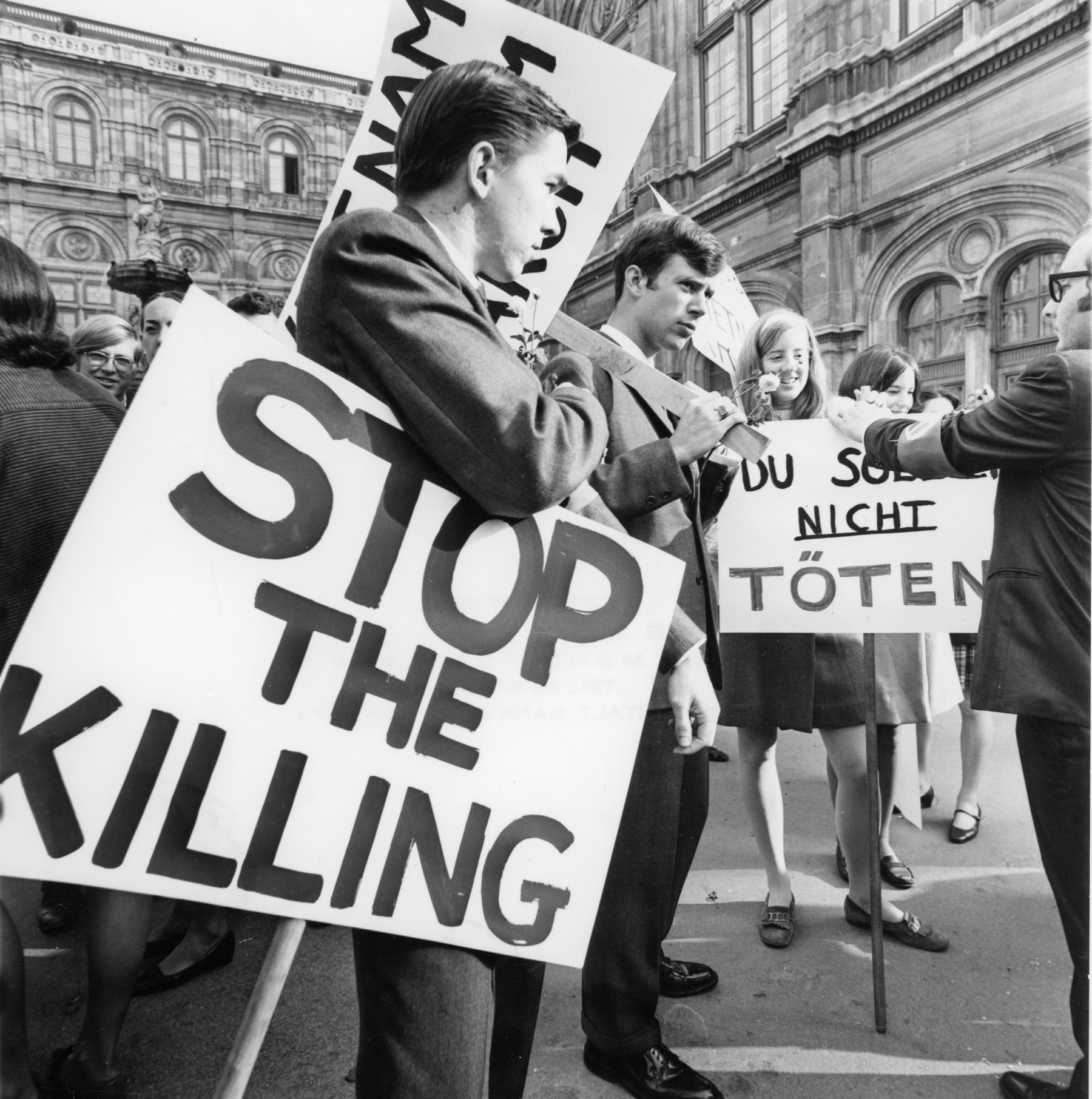
Youth Movements: The Vanguard of Societal Change
Translated from German, summarized and contextualized by DistantNews.
At a glance
Analysis
Sources not specified
Context piece
- Youth are often the first to visibly drive major societal shifts, expressing dreams and fears.
- Youth movements can bring hope for positive change but are also feared as threats to tradition.
- Historically, youth movements gained traction around 1900 when youth was recognized as a distinct life phase, leading to rebellions against rigid societal norms.
When significant societal transformations loom, it is often the youth who first make them apparent. Young people articulate their dreams and anxieties by taking to the streets, paving the way for profound changes that can shake the established order. These movements offer hope for progress but also carry the potential to disrupt traditions and norms, leading to their perception as a danger.
Historically, youth have been labeled disrespectful and ill-mannered, a sentiment echoing ancient critiques. A significant challenge for youth movements is sustaining momentum, as outrage can be fleeting. Without a long-term vision, a sense of "toxic realism" can emerge, leading to apathy and a focus on immediate gratification. The problem often lies in the required perseverance.
The concept of youth as a distinct life phase, rather than merely a transition to adulthood, gained prominence around 1900. This period, often a moratorium between schooling and employment, was seen by the middle class as potentially perilous, especially for working-class youth who were at risk of "neglect." To counter this, they were often supervised to instill "proper" values. For middle-class girls, this time was largely defined by waiting for marriage or financial security.
This paternalistic approach from educators and parents created friction, sparking fundamental critiques of traditional life and upbringing. The early, predominantly male, middle-class youth movement began to champion "self-education." Their activities, primarily communal hiking, were not explicitly political but aimed at expanding youthful freedom in nature, fostering personal development outside strict social controls, and strengthening camaraderie. The "Wandervogel" movement, founded in 1901, represented a rebellion against the rigidity and traditionalism of the older generation. The inclusion of girls was considered scandalous and dangerous in a society that hypocritically promoted an image of youthful asexuality.
DistantNews Editorial
Originally published by Die Presse in German. Translated, summarized, and contextualized by our editorial team with added local perspective. Read our editorial standards.
More Stories



From Our Blog

What Gets Lost (and Found) When News Is Translated

The Critical Role of Diaspora Media in Global News

What Travellers Should Know About Countries with Restricted Press

A Digital Nomad's Guide to Following Local News

How the Same Story Looks Different in Different Countries
