


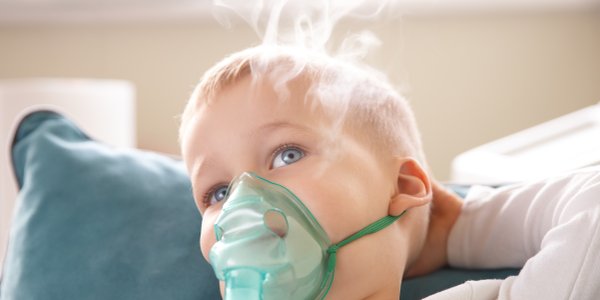
RSV Hospitalizations: Most Affected Infants Lack Risk Factors, Highlighting Need for Broader Prevention
Translated from Polish, summarized and contextualized by DistantNews.
At a glance
News
Official statement
Context piece
- RSV infections cause thousands of hospitalizations annually, primarily among infants.
- Over 90% of hospitalized infants lack risk factors for severe RSV, indicating a broader risk than previously assumed.
- New preventive methods are expanding to include full infant populations, reducing hospitalizations by up to 90% in countries with widespread immunization.
Respiratory Syncytial Virus (RSV) infections lead to thousands of hospitalizations each year, with infants being the most affected group. In the 2025/2026 season, 8,568 infants were hospitalized due to RSV, and crucially, over 90% of these children had no identified risk factors for severe illness.
This data challenges the traditional focus of RSV prevention, which historically concentrated on premature infants and those with serious underlying health conditions. The findings reveal that a significant majority of severe cases occur in full-term infants without prior health issues, placing a substantial burden on the healthcare system.
RSV's unpredictable nature is a major challenge. While most infants experience mild, cold-like symptoms, a portion can rapidly develop severe respiratory distress requiring hospitalization and intensive care. Currently, there is no cure for RSV, and treatment focuses on symptom relief and respiratory support.
Preventive strategies are evolving. Previously designed for high-risk infants, current methods now allow for broader infant immunization. Countries like Spain, France, and Germany have seen RSV-related hospitalizations drop by 70-90% after implementing widespread immunization programs using a long-acting monoclonal antibody administered seasonally.
In Poland, a program protecting high-risk children has been in place since 2008. Passive immunization against RSV is also recommended in the national vaccination schedule for newborns and infants.
DistantNews Editorial
Originally published by Rzeczpospolita in Polish. Translated, summarized, and contextualized by our editorial team with added local perspective. Read our editorial standards.
More Stories



From Our Blog

What Gets Lost (and Found) When News Is Translated

The Critical Role of Diaspora Media in Global News

What Travellers Should Know About Countries with Restricted Press

A Digital Nomad's Guide to Following Local News

How the Same Story Looks Different in Different Countries
