


Ruling party vows legal, political support if chief justice challenges president
Translated from Korean and summarized by DistantNews. Read the original for the full story.
At a glance
News
Named sources
Context piece
- The ruling People Power Party will support Supreme Court Chief Justice Cho Hee-dae if he files a constitutional complaint against President Lee Jae-myung's demand for re-nomination of justice candidates.
- The party refuted claims that the Chief Justice could re-nominate from the previously recommended list, stating the recommendation committee disbands after its task.
- The ruling party criticized the president's actions as an attempt to select judges for his own trial, comparing it to a player choosing the referee.
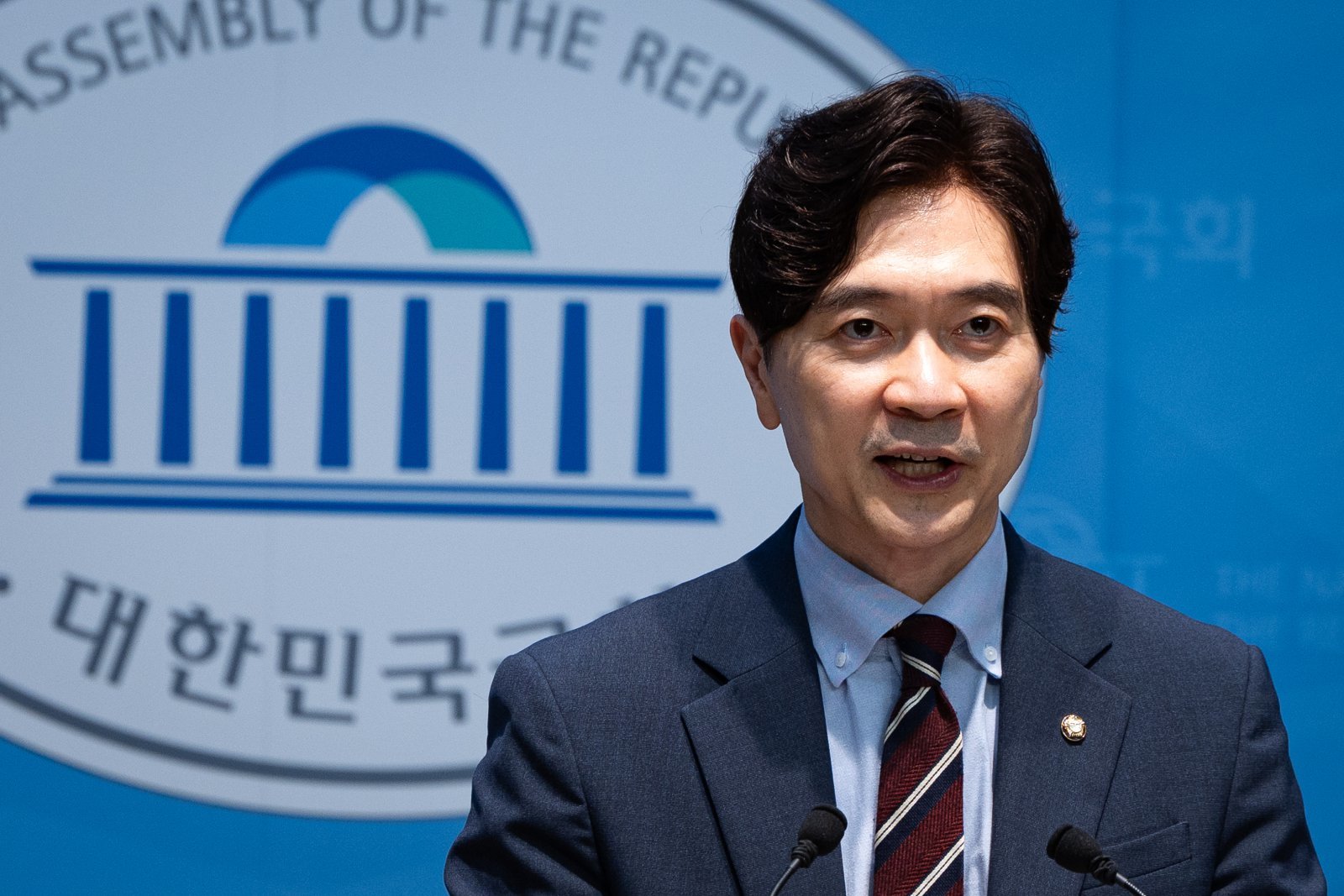
The People Power Party has pledged to back Supreme Court Chief Justice Cho Hee-dae with legal and political measures should he challenge President Lee Jae-myung's unprecedented demand for a re-nomination of Supreme Court justice candidates. Party spokesperson Park Seong-hoon stated on June 29 that the party anticipates Cho will file a constitutional complaint and is prepared to respond in kind.
We believe Chief Justice Cho will file for a constitutional complaint. As soon as the Chief Justice makes his position clear, we will also respond with various legal, institutional, and political measures related to the infringement of the National Assembly's appointment confirmation power.
"As soon as the Chief Justice makes his position clear, we will also respond with various legal, institutional, and political measures related to the infringement of the National Assembly's appointment confirmation power," Park told reporters at the National Assembly. This statement follows Chief Justice Cho's remark on June 28, the same day the president made his request, expressing regret to the public and promising a formal statement the following week.
The party also directly countered arguments from some within the Democratic Party suggesting that the Chief Justice could simply re-nominate from the list previously provided by the Supreme Court Justice Recommendation Committee. Park dismissed this as a "misinterpretation that intentionally distorts the wording and spirit of the law." He explained that the committee is convened for each nomination and is considered dissolved once its task is complete, refuting the idea of a standing pool of candidates.
This is a misinterpretation that intentionally distorts the wording and spirit of the law.
Park further argued that allowing re-nomination from the existing list would effectively transform the president's nomination right into a selection right. He emphasized the constitutional separation of powers, stating, "The president's appointment power, the Chief Justice's nomination power, and the National Assembly's appointment confirmation power are each separate and independent constitutional authorities."
The recommendation committee is considered dissolved once its task is complete, so it cannot be used as a standing pool of candidates.
Responding to questions about whether the president's request was linked to favoring Supreme Court Justice candidate Kim Min-gi, Park confirmed the suspicion. He criticized the move as an attempt to "select the players and then have them choose the referee" for President Lee's own trial, likening it to "moving the goalposts during a game and then having the player choose the referee."
The president's appointment power, the Chief Justice's nomination power, and the National Assembly's appointment confirmation power are each separate and independent constitutional authorities.
About this summary
Originally published by Dong-A Ilbo in Korean. Translated, summarized, and contextualized automatically by DistantNews, with a note on how the source frames the story. Not individually reviewed before publishing. How this works.
More Stories

From Our Blog

What Gets Lost (and Found) When News Is Translated

The Critical Role of Diaspora Media in Global News

What Travellers Should Know About Countries with Restricted Press

A Digital Nomad's Guide to Following Local News

How the Same Story Looks Different in Different Countries
