

Russia currently lacks military capability to open second front with NATO, Sārts believes
Translated from Latvian, summarized and contextualized by DistantNews.
At a glance
News
Named sources
Context piece
- Russia currently lacks the military capability to open a second front against NATO, according to Jānis Sārts.
- The ongoing war in Ukraine significantly limits Russia's military capacity.
- While an immediate threat is unlikely, the risk could grow if Russia rebuilds its military over several years.
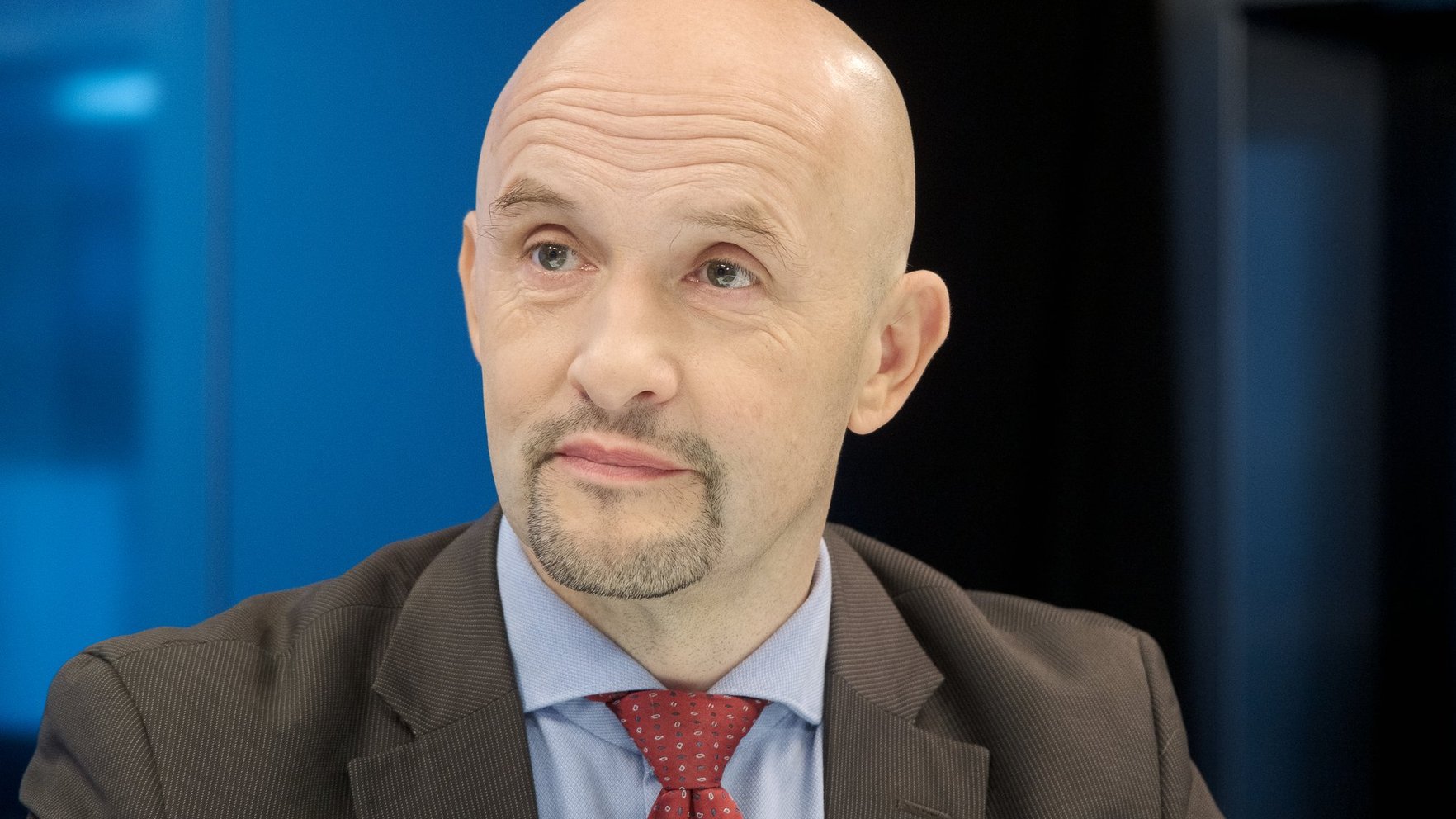
Russia does not currently possess the military capabilities to launch a second front against NATO, believes Jānis Sārts, director of the NATO Strategic Communications Centre of Excellence. He emphasized that while Russia remains a threat, an immediate military attack is not feasible due to its ongoing involvement in the war in Ukraine.
Russia is and will be a threat to us, but that does not mean – right here, right now.
Sārts explained that Russia's military resources are heavily strained by the conflict in Ukraine, preventing it from opening another front against NATO countries. He noted that there are no indications Russia is preparing to do so. However, he cautioned that the situation could change if the war in Ukraine concludes, allowing Russia time to rebuild its military strength.
Experts have differing views on how quickly Russia could recover its capabilities for a larger conflict. Sārts highlighted the importance of distinguishing between an immediate military threat and a potential risk that could emerge over several years. He also criticized what he termed "emotional" statements about an imminent Russian attack on the Baltic states, arguing that such fearmongering hinders productive discussions about Latvia's actual defense needs.
While the war in Ukraine is ongoing, Russia is not capable of opening another military front with NATO countries, and there are no signs that it intends to do so.
Sārts advocated for basing defense decisions on data and facts rather than fostering constant public panic. He stressed the need to assess the real situation when making defense choices, ensuring that discussions are grounded in evidence.
I like that we base discussions on data and facts.
DistantNews Editorial
Originally published by Delfi Latvia in Latvian. Translated, summarized, and contextualized by our editorial team with added local perspective. Read our editorial standards.
More Stories

From Our Blog

What Gets Lost (and Found) When News Is Translated

The Critical Role of Diaspora Media in Global News

What Travellers Should Know About Countries with Restricted Press

A Digital Nomad's Guide to Following Local News

How the Same Story Looks Different in Different Countries
