

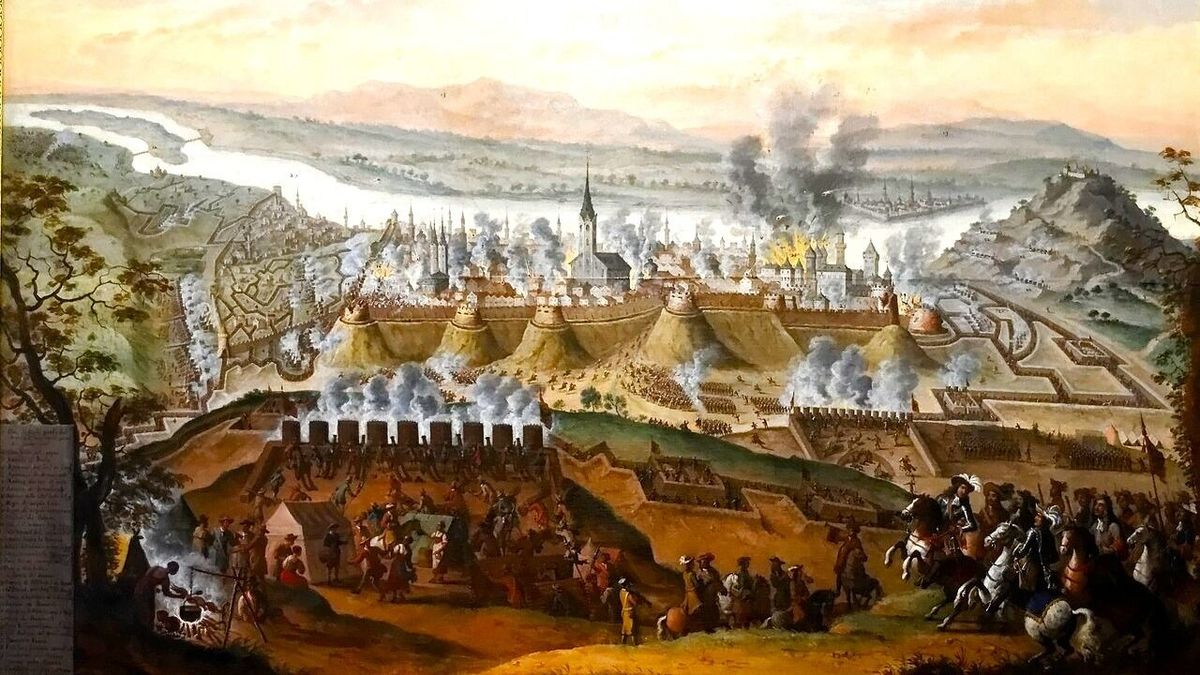

Russia Launches Nuclear Drills as Iran Intensifies Confrontational Stance
Translated from Hungarian and summarized by DistantNews. Read the original for the full story.
At a glance
News
Named sources
Context piece
- Russia has commenced a large-scale nuclear military exercise involving over 64,000 personnel from strategic missile forces, naval units, and the air force.
- The drills include practicing missile launches and maneuvers related to the use of nuclear weapons.
- Simultaneously, Iran is holding public weapons demonstrations for civilians and organizing mass weddings for couples willing to sacrifice their lives in conflicts against the US and Israel, framing this as a religious mission.
The global security landscape is increasingly fraught with tension, as evidenced by simultaneous escalations in military posturing by Russia and Iran. Russia has launched a massive nuclear exercise, mobilizing over 64,000 troops, including strategic missile forces, naval units, and air force contingents. The drills are designed to simulate critical scenarios, encompassing live missile launches and strategic deployment maneuvers, underscoring Moscow's readiness to employ its nuclear arsenal.
Adding to the disquiet, Iran is amplifying its confrontational rhetoric and actions against the United States and Israel. The Islamic Republic is staging public weapons demonstrations, ostensibly for civilian engagement, while simultaneously organizing mass weddings. These ceremonies are reportedly for couples who pledge to sacrifice their lives in the ongoing conflict, framing this commitment as a sacred religious duty. This mobilization of societal will, particularly among younger generations being drawn into supporting the regime by the Revolutionary Guard, signals a deepening ideological commitment to confrontation.
From a Hungarian perspective, these developments are deeply concerning. Hungary, as a member of NATO and the European Union, is acutely aware of the destabilizing effects of heightened geopolitical tensions, particularly those involving nuclear powers. The Kremlin's decision to conduct such a high-profile nuclear exercise, coupled with Tehran's increasingly militant rhetoric and societal mobilization, creates a volatile environment that directly impacts European security. The framing of conflict as a religious mission by Iranian leadership is particularly alarming, as it can foster unwavering resolve and potentially hinder diplomatic solutions.
While Western media often focuses on the immediate military implications, the Hungarian viewpoint emphasizes the long-term consequences of such actions on regional stability and the potential for miscalculation. The integration of younger Iranians into the regime's support structure, as facilitated by the Revolutionary Guard, suggests a generational entrenchment of anti-Western sentiment. This makes de-escalation efforts even more challenging and highlights the need for robust diplomatic engagement, even amidst heightened military readiness.
About this summary
Originally published by Magyar Nemzet in Hungarian. Translated, summarized, and contextualized automatically by DistantNews, with a note on how the source frames the story. Not individually reviewed before publishing. How this works.
More Stories
From Our Blog

Countries Without a Free Press: The 2026 List and What It Means for Readers

What Press Freedom Means for the News You Read

News in Translation: What Gets Lost, and How We Keep the Framing

Diaspora Media: How Communities Abroad Follow Home

Traveling Where the Press Is Not Free: How to Read the News There
