


Russia Reports Capturing Ukrainian Village That Hasn't Existed for 30 Years
Translated from Romanian, summarized and contextualized by DistantNews.
At a glance
News
Sources not specified
Context piece
- Russia's Defense Ministry falsely reported capturing the Ukrainian village of Shcherbakivka in the Kharkiv region.
- The village was officially dissolved nearly 30 years ago due to having no residents.
- Ukraine's Center for Combating Disinformation highlighted the false report, noting it's part of a pattern of Russian propaganda.
Russia's Defense Ministry has claimed the capture of the village of Shcherbakivka in Ukraine's Kharkiv region, a locality that officially ceased to exist almost 30 years ago. This report, disseminated by Russian state media, is being presented as a "victory" on the front lines.
Ukraine's National Security and Defense Council's Center for Combating Disinformation pointed out the fabricated nature of the claim on Facebook. Shcherbakivka was dissolved in 1997 because it had no remaining residents. The Russian propaganda machine is actively promoting reports of its "capture" to create an illusion of military progress.
The Russian Ministry of Defense and Russian propaganda continue to spread fake news about "victories" on the front in Ukraine.
The Ukrainian project DeepState, which monitors the conflict, has not registered any Russian troop advancements in the area of the former settlement. This incident follows a pattern of Russia disseminating false information about controlling populated areas. For example, Russian military leadership previously reported the complete capture of Kupiansk and Kupiansk-Uzlovaia, despite Russian forces not controlling these cities. In another instance, a Russian television report on the alleged capture of Gryshino village in the Donetsk region was filmed in an already occupied territory, 30 kilometers away.
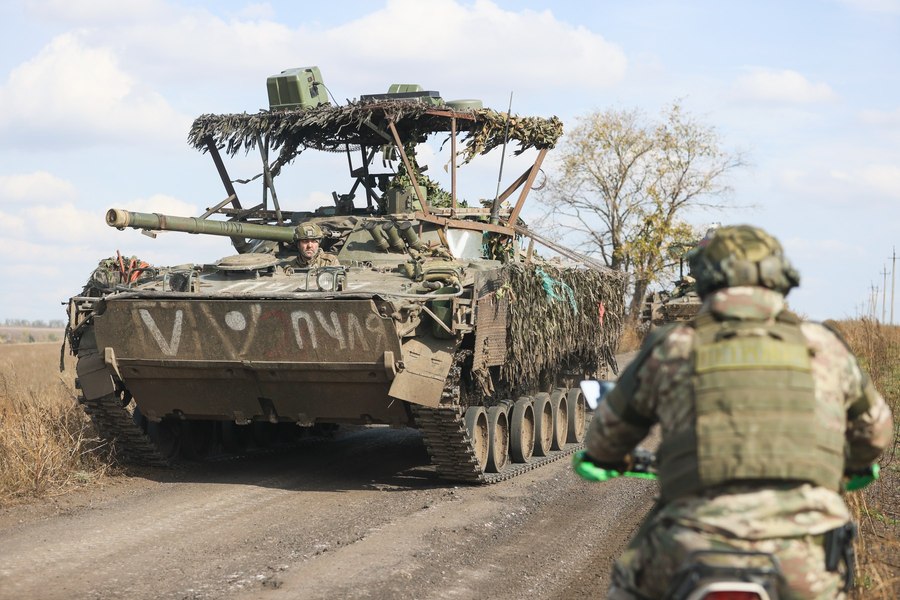
The village of Shcherbakivka in the Kharkiv region, which was officially dissolved in 1997 because there were no residents left at the time.
DistantNews Editorial
Originally published by Adevărul in Romanian. Translated, summarized, and contextualized by our editorial team with added local perspective. Read our editorial standards.
More Stories



From Our Blog

What Gets Lost (and Found) When News Is Translated

The Critical Role of Diaspora Media in Global News

What Travellers Should Know About Countries with Restricted Press

A Digital Nomad's Guide to Following Local News

How the Same Story Looks Different in Different Countries
