

Russia's reaction to Giurgiulești Port acquisition shows displeasure with Romania's regional influence: FM Țoiu
Translated from Romanian, summarized and contextualized by DistantNews.
At a glance
News
Sources not specified
Outcome reported
- Romania's Foreign Minister Oana Țoiu stated Russia's reaction to Romania's acquisition of Giurgiulești Port reflects Moscow's dissatisfaction with Romania's growing regional influence.
- Țoiu emphasized the port's significance, managing over 60% of Moldova's exports, and highlighted its role in Moldova's EU integration.
- She also suggested Russia uses propaganda to deflect attention from domestic issues and fears.
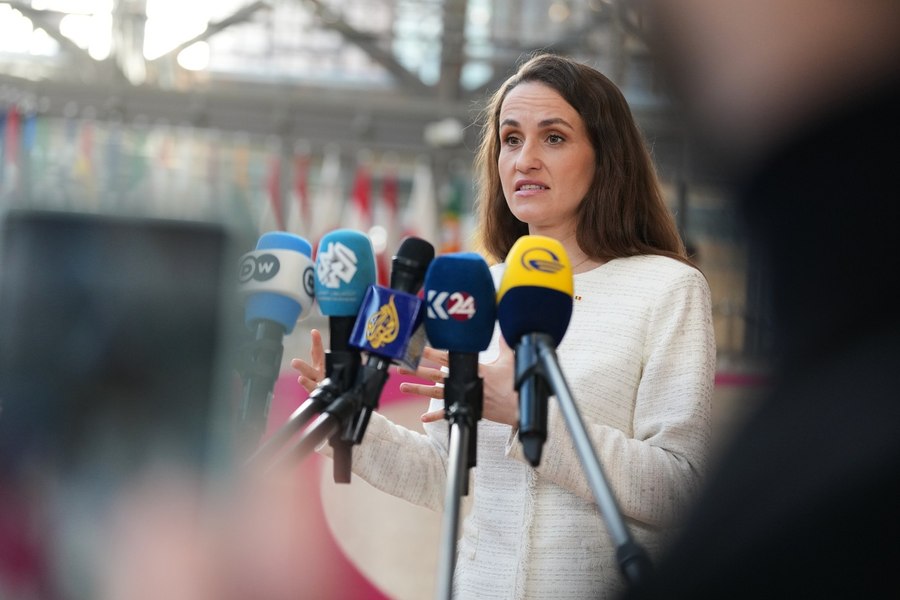
Romania's Foreign Minister Oana Țoiu believes Russia's negative reaction to Romania's acquisition of the Giurgiulești International Port in Moldova signals Moscow's displeasure with Romania's increasing regional influence and Moldova's closer ties with the European Union.
This is a dissatisfaction that Russia has with the growth of Romania's regional influence, with the increased connection of the Republic of Moldova with Europe, with the European Union.
"This is a dissatisfaction that Russia has with the growth of Romania's regional influence, with the increased connection of the Republic of Moldova with Europe, with the European Union," Țoiu stated in an interview. She clarified that the negotiations for the port acquisition were lengthy and predated the public announcement made during her visit to Chisinau last year, describing it as an "old conversation" between Romania and Moldova that is now successfully concluded.
We are proud that it is finalized.
The Giurgiulești port is crucial for Moldova's economy, handling over 60% of its exports. Țoiu highlighted that beyond economic benefits for Romania, the acquisition strengthens its regional standing. She also pointed to the importance of the Port of Constanța as a major logistics hub for regional and international trade, essential for balancing global access to food resources, including grains from Romania and neighboring countries.
We are talking about a port that handles over 60% of the Republic of Moldova's exports. For Romania, beyond the economic objective, this acquisition also contributes to increasing the influence we have in the region.
Țoiu also commented on Russia's broader strategy, suggesting Moscow attempts to divert attention from internal problems through propaganda. She argued that Russia's domestic propaganda is faltering, leading to decisions based on fear. As an example, she cited the barring of the Yabloko party from elections, which she interprets as a sign of weakness even in the face of their own propaganda's effectiveness at home.
Russia tries to shift attention outside its borders precisely because at home not only does its own propaganda not work sufficiently, but they have come to make decisions based on fear.
DistantNews Editorial
Originally published by Adevărul in Romanian. Translated, summarized, and contextualized by our editorial team with added local perspective. Read our editorial standards.
More Stories


From Our Blog

What Gets Lost (and Found) When News Is Translated

The Critical Role of Diaspora Media in Global News

What Travellers Should Know About Countries with Restricted Press

A Digital Nomad's Guide to Following Local News

How the Same Story Looks Different in Different Countries
