


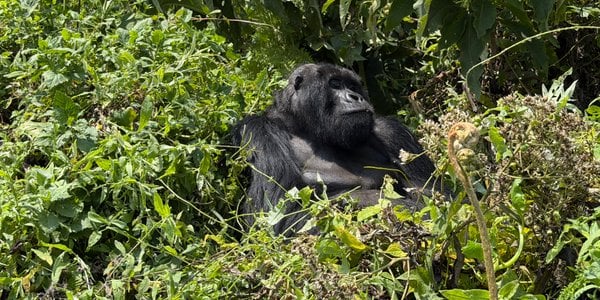
Rwanda charges top dollar for wildlife tourism
Translated from Polish, summarized and contextualized by DistantNews.
At a glance
In-depth
Sources not specified
Context piece
- Rwanda is implementing a
Rwanda is positioning itself as a secure and modern tourist destination, leveraging its natural beauty and a commitment to conservation to attract high-spending visitors. The country's strategy, termed "high value, low volume," aims to generate significant revenue while minimizing environmental impact. This approach is exemplified by the $1,500 permit fee for an hour-long encounter with mountain gorilla families in Volcanoes National Park.
1,500 dollars for an encounter with a gorilla family
The revenue generated from these permits, totaling $40.8 million in 2025 according to the Rwanda Development Board, is crucial for maintaining protected areas. A key component of Rwanda's tourism model is the distribution of 10% of park revenues to local communities. In the 2024/2025 fiscal year, 4.7 billion Rwandan francs were allocated to 82 social projects, including schools, health facilities, and water systems.
ten percent of tourism revenues from national parks goes to communities living near protected areas
This revenue-sharing model has reportedly shifted local attitudes towards conservation. Previously, areas near parks experienced poaching and human-wildlife conflicts. Now, the protected ecosystem is increasingly viewed as a source of income, jobs, and investment. However, the "limited access, high value" model inherently caters to an elite clientele, raising questions about broader accessibility.
the protected ecosystem is increasingly seen as a source of income, jobs, and investment
DistantNews Editorial
Originally published by Rzeczpospolita in Polish. Translated, summarized, and contextualized by our editorial team with added local perspective. Read our editorial standards.
More Stories


From Our Blog

What Gets Lost (and Found) When News Is Translated

The Critical Role of Diaspora Media in Global News

What Travellers Should Know About Countries with Restricted Press

A Digital Nomad's Guide to Following Local News

How the Same Story Looks Different in Different Countries
