

Sahara Tragedy: 49 Migrants Die of Thirst in Niger After Truck Breakdown
Translated from French, summarized and contextualized by DistantNews.
At a glance
News
Official statement
Outcome reported
- At least 49 migrants died of thirst in Niger after their transport truck broke down in the Sahara Desert.
- The group was traveling from Mali toward Algeria when the vehicle became immobilized over 80 kilometers west of Assamaka.
- Extreme temperatures and lack of water in the desert led to the deaths, with only two survivors reaching authorities to report the tragedy.
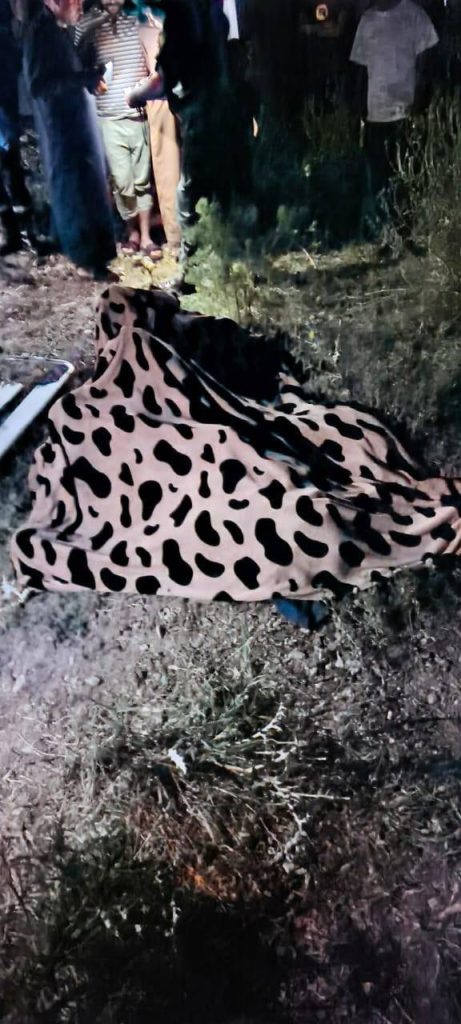
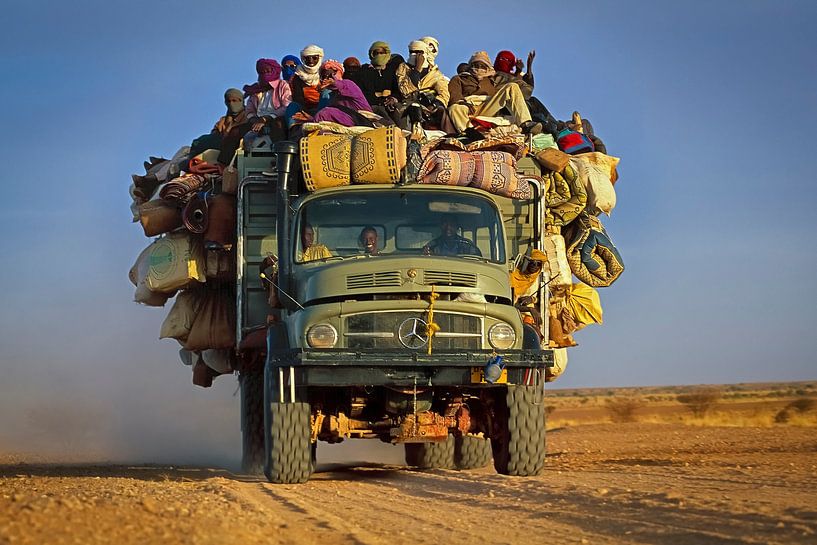
At least 49 people have died of thirst in northern Niger after the truck carrying them broke down in the Sahara Desert, local authorities announced. The vehicle, which had departed from Mali and was headed for the Algerian border, became immobilized more than 80 kilometers west of Assamaka. In the harsh desert environment, extreme temperatures and the absence of water turned every hour of waiting into a deadly threat. Only two individuals survived the ordeal. They trekked for hours across the dunes to reach Assamaka, a major border crossing between Niger and Algeria, to alert authorities. Rescue teams dispatched to the scene discovered dozens of bodies near the stranded truck. The victims were buried in mass graves.
The governorate of Agadez reported that the group was returning from Mali after attending a Muslim festival when the truck stopped functioning due to a lack of water and after multiple unsuccessful repair attempts. The vehicle had left Telhandek in northern Mali but deviated from its planned route. "The travelers found themselves trapped in the heart of a hostile environment where extreme temperatures and the lack of supply points make their survival extremely difficult," the local administration stated in a release. The statement detailed that the driver, his apprentice, and the passengers repeatedly tried to fix the truck without success. "Deprived of water and unable to repair the vehicle despite the efforts of the driver, his apprentice, and the passengers, the travelers found themselves trapped in the heart of a hostile environment," the statement added.
The travelers found themselves trapped in the heart of a hostile environment where extreme temperatures and the lack of supply points make their survival extremely difficult.
As the rescue team was leaving the area, they spotted another broken-down truck carrying over 60 people. This second convoy had been stranded for three days due to a faulty battery. The truck had departed from Harouba, more than 300 kilometers from the Nigerien border. Nigerien soldiers involved in the operation distributed water to the passengers, described as "exhausted and distressed travelers," and assisted in repairing the vehicle to allow them to continue their journey.
This tragedy is part of a larger context. Northern Niger has long been a primary transit route for migrants from West Africa and the Sahel attempting to reach Libya, Algeria, and ultimately Europe. International organizations like the International Organization for Migration (IOM) regularly highlight that the desert routes of the Sahara are among the most dangerous in the world, citing mechanical failures, lack of water, traffickers, and extreme temperatures. Agadez is frequently described as a gateway to the desert, but also a point of peril for those seeking a better life.
Deprived of water and unable to repair the vehicle despite the efforts of the driver, his apprentice, and the passengers, the travelers found themselves trapped in the heart of a hostile environment.
DistantNews Editorial
Originally published by El Watan in French. Translated, summarized, and contextualized by our editorial team with added local perspective. Read our editorial standards.
More Stories
From Our Blog

What Gets Lost (and Found) When News Is Translated

The Critical Role of Diaspora Media in Global News

What Travellers Should Know About Countries with Restricted Press

A Digital Nomad's Guide to Following Local News

How the Same Story Looks Different in Different Countries
