


Salzburg Festival: Ghostly Piano and Gallows Humor
Translated from German, summarized and contextualized by DistantNews.
At a glance
In-depth
Sources not specified
Context piece
- Pianist Pierre-Laurent Aimard performed György Kurtág's "Játékok" and other works at the Salzburg Festival.
- The performance featured a "disklavier," a Yamaha piano capable of recording and replaying performances, used for seamless transitions between instruments.
- Aimard masterfully connected pieces by Kurtág, Schubert, Schoenberg, and Webern, creating a unique and technically impressive concert experience.
The Salzburg Festival witnessed a remarkable performance by pianist Pierre-Laurent Aimard, who presented a program featuring the works of György Kurtág, alongside compositions by Schubert, Schoenberg, and Webern. The concert, held in the Great Hall of the Mozarteum, was marked by an innovative use of technology and a deeply thoughtful musical curation.
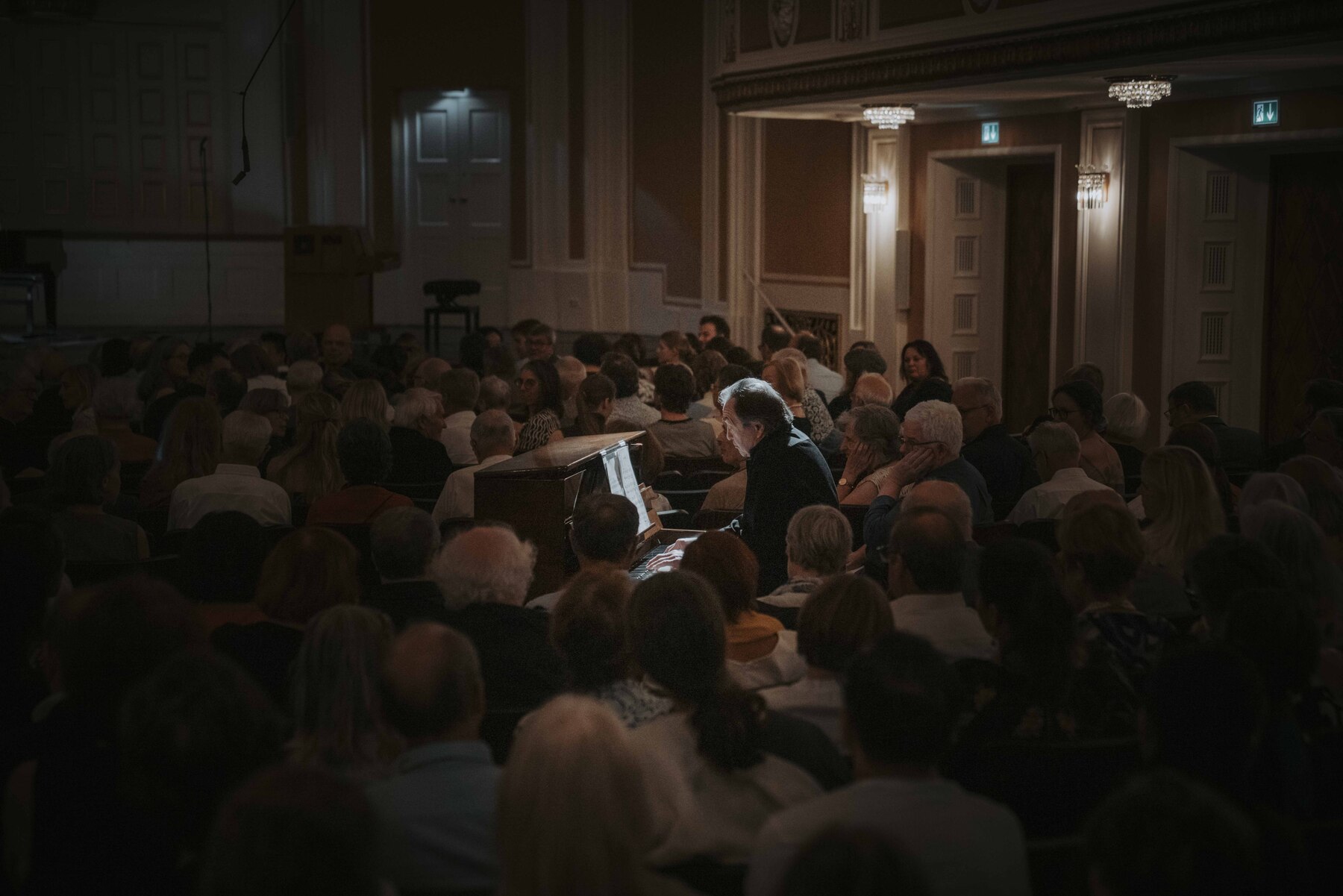
And then the piano simply continued to play on its own, as if moved by a ghost hand, while Pierre-Laurent Aimard tiptoed to another instrument, as if not wanting to disturb the magic with noise – not so easy on the creaking floorboards of the stage in the Great Hall of the Mozarteum.
A central element of the performance was the use of a Yamaha "disklavier," an instrument capable of recording and autonomously playing back performances. Aimard utilized this feature to create fluid and "magical" transitions between the five different instruments he employed throughout the evening. These included a grand piano, the disklavier, and a celesta on stage, as well as a piano placed amidst the audience for an intimate "Schubertiade" feel, and another instrument positioned distantly, possibly in the balcony.
The disklavier... Yamaha... that can record and then independently reproduce interpretations played on it.
The program opened with individual notes from Kurtág's "Játékok" (Games), a collection of miniatures. These were followed by seamless segues into music by Franz Schubert, and then back to Kurtág. Aimard further enriched the program by weaving in Schoenberg's "Six Little Piano Pieces, Op. 19" and Webern's "Variations, Op. 27." The celesta was used to perform Mozart's "Andante for a Barrel Organ, K. 616" and a march from K. 408, creating a "sparkling chain of pearls" that lasted approximately 75 minutes.
But how much more magical than this technical gimmick in itself were the musical transitions it allowed: seamless connections, primarily from Kurtág to dance music by Franz Schubert and back again.
The performance transcended mere technical display, offering a profound listening experience. The audience was captivated by the seamless integration of diverse musical styles and eras, facilitated by Aimard's masterful control over the instruments and the innovative use of the disklavier. The concert left attendees pondering deeper questions, as suggested by the quote, "Is there no transition? Are we already there?"
Is there no transition? Are we already there?
DistantNews Editorial
Originally published by Die Presse in German. Translated, summarized, and contextualized by our editorial team with added local perspective. Read our editorial standards.
More Stories

From Our Blog

What Gets Lost (and Found) When News Is Translated

The Critical Role of Diaspora Media in Global News

What Travellers Should Know About Countries with Restricted Press

A Digital Nomad's Guide to Following Local News

How the Same Story Looks Different in Different Countries
