

Salzburg Festival honors György Kurtág with concerts exploring his Schubert connection
Translated from German, summarized and contextualized by DistantNews.
At a glance
In-depth
Sources not specified
Context piece
- The Salzburg Festival honors composer György Kurtág with nine concerts.
- The festival explores Kurtág's deep connection to Franz Schubert, featuring performances of both composers' works.
- Kurtág, who is nearing his 100th birthday, is celebrated as a significant figure in contemporary classical music.
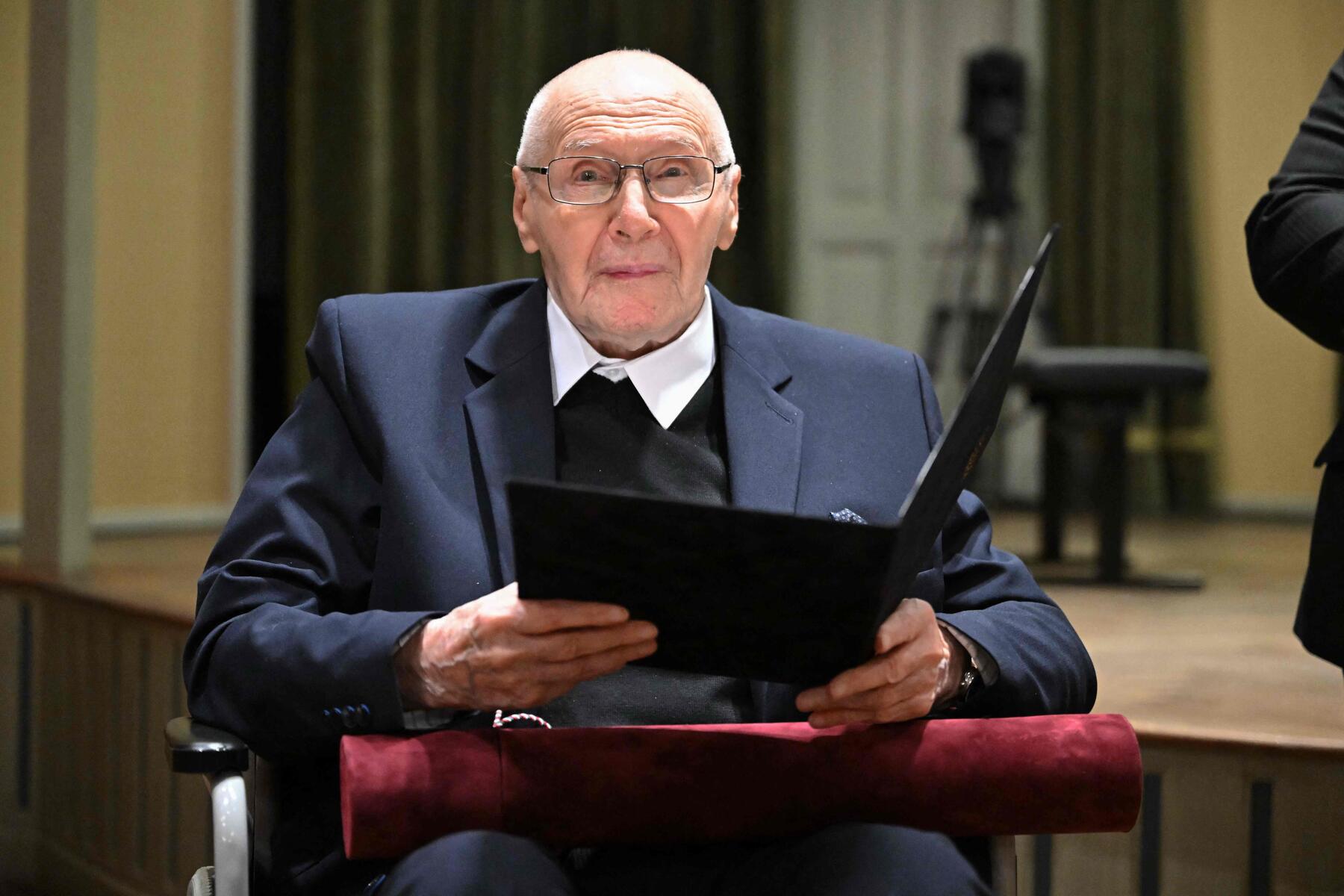
The Salzburg Festival is dedicating nine concerts to the celebrated composer György Kurtág, exploring his profound affinity with Franz Schubert. This tribute, timed as Kurtág approaches his 100th birthday, highlights the composer's unique musical language, often described as intensely compressed. Pianist Pierre-Laurent Aimard will lead a program that juxtaposes Kurtág's "Játékok" (Games) with Schubert's Ländler, alongside works by Schoenberg, Mozart, and Webern. Aimard's recital on July 31 is a centerpiece of the "Homage to György Kurtág" series, which honors the last surviving composer of a generation that included Luigi Nono and Pierre Boulez. The festival aims to showcase Kurtág's entire oeuvre, from early orchestral pieces to his late chamber works. His music will find a fitting space for expression in the Kollegienkirche, particularly when performed by ensembles like the Klangforum Wien. The program also features collaborations with other prominent composers of the New Music era, including Bartók and Ligeti, with whom Kurtág shared a lifelong admiration. Kurtág's life and work are further illuminated by his residency on Ligeti Street in Budapest, a symbolic connection to his fellow Hungarian master. The tribute will musically reunite Kurtág and Ligeti on August 25, with a performance by Patricia Kopatchinskaja & Friends. Kurtág developed his distinctive musical style in the late 1950s while studying in Paris with Darius Milhaud and Olivier Messiaen, a period marked by personal isolation and depression. He recalled Milhaud's music as "too thin" but found him personally congenial, while praising Messiaen's analyses of Stravinsky, Debussy, and Mozart. The genesis of his style is linked to a complex interplay between creativity and personal struggles, as he noted, "It started with smoking."
DistantNews Editorial
Originally published by Die Presse in German. Translated, summarized, and contextualized by our editorial team with added local perspective. Read our editorial standards.
More Stories



From Our Blog

What Gets Lost (and Found) When News Is Translated

The Critical Role of Diaspora Media in Global News

What Travellers Should Know About Countries with Restricted Press

A Digital Nomad's Guide to Following Local News

How the Same Story Looks Different in Different Countries
