


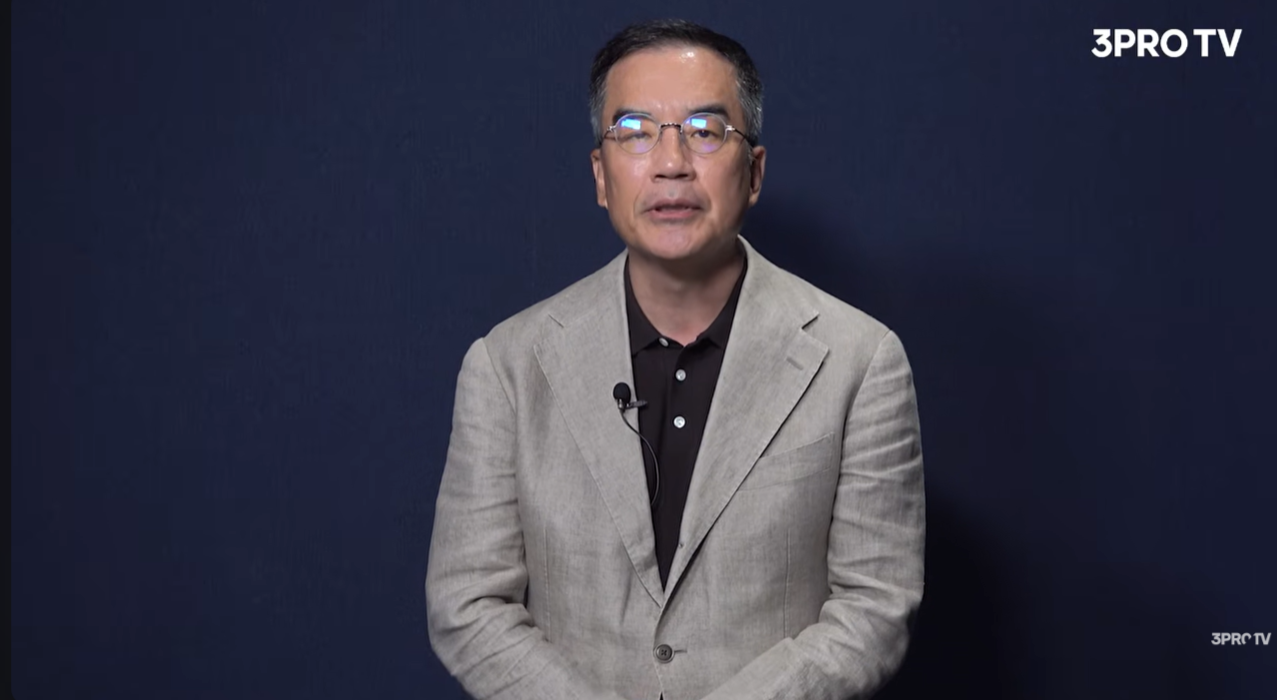
Sampro TV app data breach exposes over 460,000 users' information, including financial details
Translated from Korean, summarized and contextualized by DistantNews.
At a glance
News
Sources not specified
Outcome reported
- South Korean economic YouTube channel Sampro TV reported a data breach affecting over 460,000 users.
- The leaked information includes names, phone numbers, and for some users, bank account and credit card details.
- The company is investigating and has notified authorities and affected members, warning of potential phishing attempts.
The popular South Korean economic YouTube channel Sampro TV has experienced a significant data breach, compromising the personal information of over 460,000 users. The leak, which occurred earlier this month, exposed not only basic details like names and phone numbers but also sensitive financial data for some individuals.
An external party illegally accessed the app and viewed other users' personal information.
According to Sampro TV's operator, Eve Broadcasting, an unauthorized external party illegally accessed the app, viewing user data. A subsequent internal investigation revealed that approximately 460,000 user records were compromised. The exposed information includes names, profiles, phone numbers, email addresses, and service usage history. Critically, the breach also affected 2,972 users' bank account details and 317 users' credit card information, though card numbers were partially masked.
The leaked information includes names, phone numbers, and for some users, bank account and credit card details.
Eve Broadcasting clarified that the breach exclusively impacts app members and not YouTube subscribers. They assured that highly sensitive data such as resident registration numbers were not collected and therefore not leaked. The company has reported the incident to the Personal Information Protection Commission and the Korea Internet & Security Agency (KISA). Affected members are being notified individually. Sampro TV urged users to be wary of secondary damages like phishing calls or messages and to avoid clicking on suspicious links or attachments.
Be wary of secondary damages such as phishing calls or messages, and do not open links or attachments from unknown sources.
DistantNews Editorial
Originally published by Dong-A Ilbo in Korean. Translated, summarized, and contextualized by our editorial team with added local perspective. Read our editorial standards.
More Stories


From Our Blog

What Gets Lost (and Found) When News Is Translated

The Critical Role of Diaspora Media in Global News

What Travellers Should Know About Countries with Restricted Press

A Digital Nomad's Guide to Following Local News

How the Same Story Looks Different in Different Countries
