


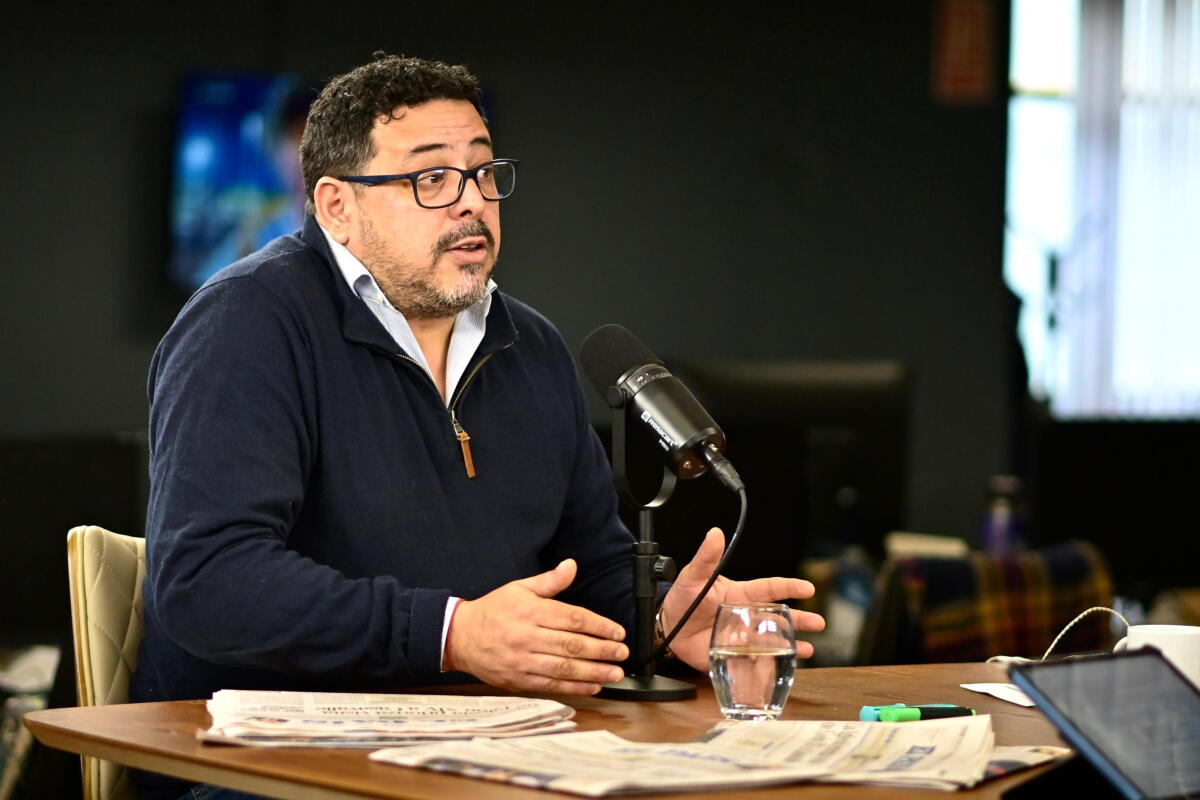
Sánchez Defends Cash Transfers for Poor Families; Opposition Criticizes
Translated from Spanish, summarized and contextualized by DistantNews.
At a glance
News
Named sources
Context piece
- Uruguayan Secretary of the Presidency Alejandro Sánchez defended a government proposal to unify cash transfers for poor families with children.
- Sánchez argued the funds would help families cover essential expenses like transportation and bills, enabling them to reach the end of the month.
- Opposition National Party senators criticized the proposal, claiming it shows a lack of understanding of poverty and child development needs.
Uruguayan Secretary of the Presidency Alejandro Sánchez has defended a government initiative to unify cash transfer programs for poor families with children, a measure included in the Rendición de Cuentas (Accountability) bill. Sánchez argued that the proposed cash transfers would provide crucial support to approximately 50,000 families, enabling them to cover essential expenses such as transportation to work or paying bills. He emphasized that many of these families work in the informal sector or earn less than $25,000 pesos per month, and this assistance would help them make ends meet.
Why is it important that this item has the characteristics we are proposing? Because perhaps that head of household, who receives this transfer, dedicates it to paying the rent that she cannot pay today with the Social Uruguay Card. Or perhaps she pays for the bus ticket to go do odd jobs.
However, the proposal has drawn sharp criticism from the opposition National Party. Senator Martín Lema accused Sánchez of demonstrating a "total lack of knowledge" of the system, asserting that family allowances are already of free disposition and that vulnerable families receive additional support through targeted cards for essential goods. He argued that Sánchez's examples do not reflect the reality of how public policies function.
With this, we want to help the family. We are talking about approximately 50,000 families, who can have help to get ahead.
Senator Sebastián Da Silva echoed these criticisms, stating on social media that the government's proposal "is not for poor children" and does not prioritize infant development. He suggested that the debate is clarifying the true intentions behind the initiative. The controversy highlights a significant political divide over social welfare policies and the most effective ways to combat poverty and support vulnerable families in Uruguay.
The secretary of the Presidency cannot try to be clever on such a sensitive issue.
DistantNews Editorial
Originally published by El País in Spanish. Translated, summarized, and contextualized by our editorial team with added local perspective. Read our editorial standards.
More Stories


From Our Blog

What Gets Lost (and Found) When News Is Translated

The Critical Role of Diaspora Media in Global News

What Travellers Should Know About Countries with Restricted Press

A Digital Nomad's Guide to Following Local News

How the Same Story Looks Different in Different Countries
