


Satellite constellations threaten to 'obliterate' astronomical observations, study warns
Translated from Malay, summarized and contextualized by DistantNews.
At a glance
News
Named sources
Context piece
- A new study warns that launching 1.7 million satellites in the coming years could devastate astronomy.
- The European Southern Observatory (ESO) stated that a large number of bright satellites would threaten existing telescopes observing the universe.
- Researchers propose limiting orbiting satellites to 100,000 to ensure effective night sky exploration, with SpaceX planning over a million Starlink satellites by 2028.
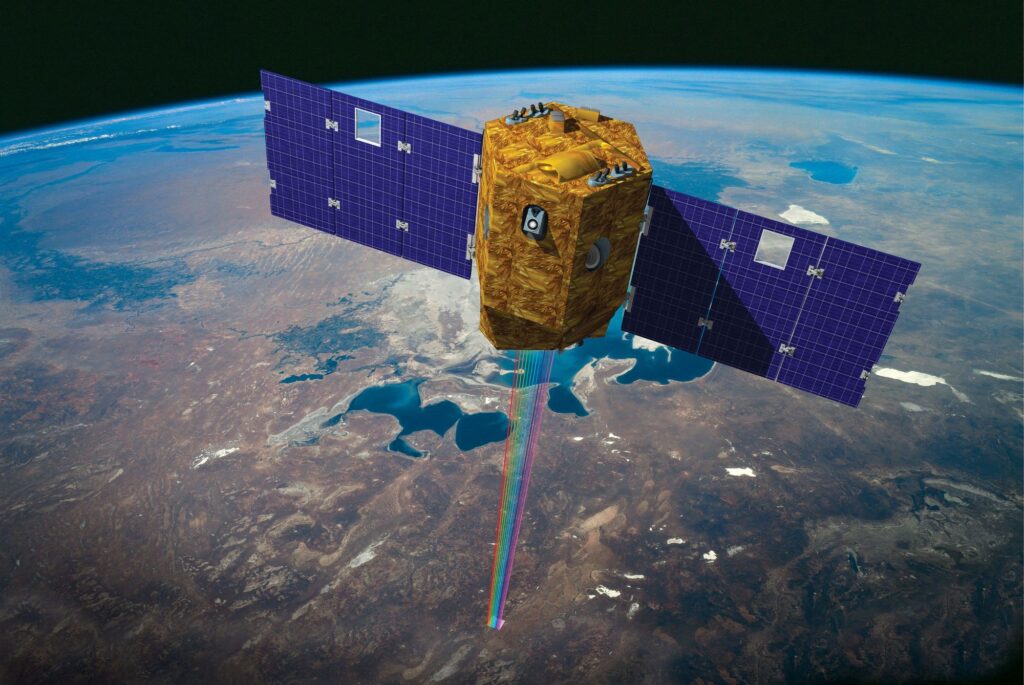
The prospect of launching 1.7 million satellites into Earth's orbit in the coming years poses a significant threat to the field of astronomy, according to a new study. The European Southern Observatory (ESO) has warned that the sheer number of planned bright satellites could jeopardize the existence of telescopes dedicated to observing the universe.
Researchers involved in the study have proposed a limit of 100,000 satellites orbiting Earth to ensure that humanity can continue to effectively explore the night sky. This study marks the first comprehensive assessment of how a large constellation of very bright satellites would impact astronomical observations and potentially brighten the night sky.
Currently, approximately 14,000 satellites orbit the Earth, with a significant portion belonging to Elon Musk's Starlink internet constellation. SpaceX, Musk's company, has announced plans to launch over a million satellites by 2028, intended to serve as data centers supporting the burgeoning field of artificial intelligence.
"When a satellite crosses an area we are observing, it creates a bright streak of light and obliterates whatever is behind it," explained ESO astronomer Olivier Hainaut, who led the study published in the journal Astronomy & Astrophysics. This phenomenon significantly hinders astronomical research by obscuring celestial objects and phenomena.
When a satellite crosses an area we are observing, it creates a bright streak of light and obliterates whatever is behind it.
DistantNews Editorial
Originally published by Utusan Malaysia in Malay. Translated, summarized, and contextualized by our editorial team with added local perspective. Read our editorial standards.
More Stories



From Our Blog

What Gets Lost (and Found) When News Is Translated

The Critical Role of Diaspora Media in Global News

What Travellers Should Know About Countries with Restricted Press

A Digital Nomad's Guide to Following Local News

How the Same Story Looks Different in Different Countries
