

Saudi and Iranian Foreign Ministers Discuss Efforts to Reduce Regional Tensions
Summarized and contextualized by DistantNews.
At a glance
News
Official statement
Context piece
- Saudi and Iranian foreign ministers discussed regional developments and diplomatic efforts to de-escalate tensions in a phone call.
- The talks addressed lowering escalation and promoting regional stability amid ongoing U.S.-Iran tensions.
- Saudi Arabia reaffirmed its commitment to supporting regional security and stability.
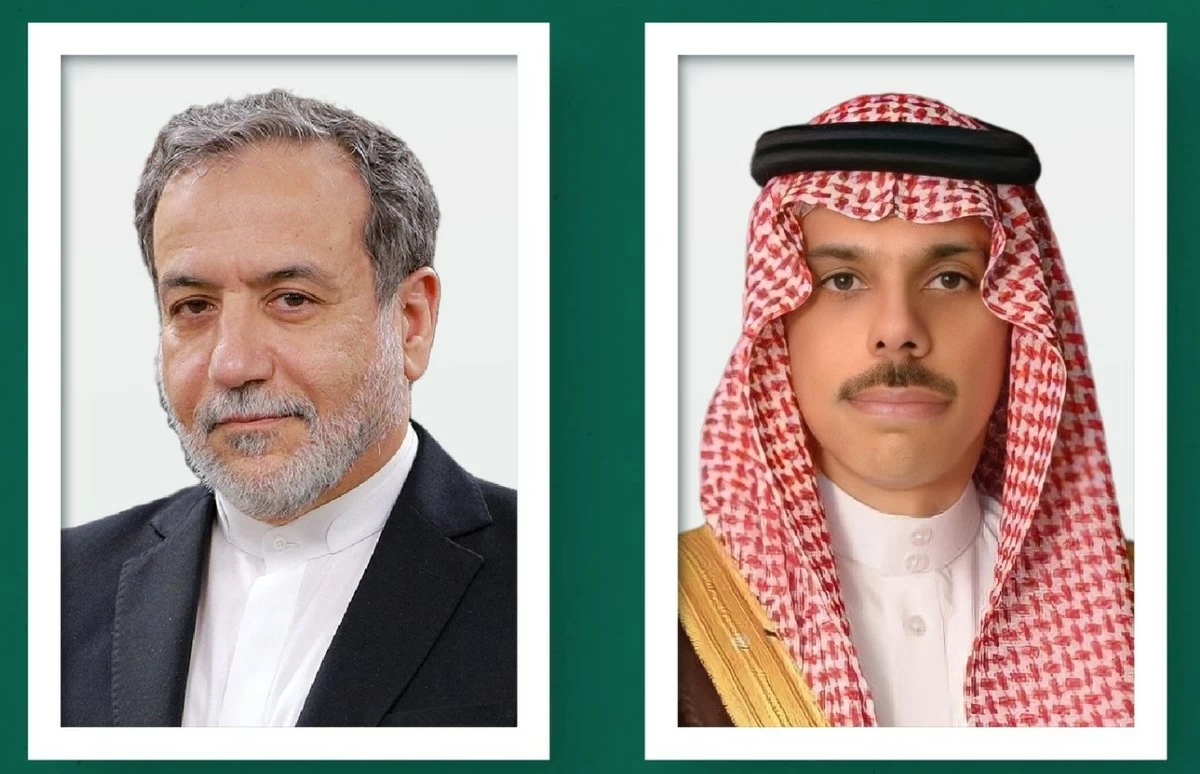
Saudi Arabia's Foreign Minister Prince Faisal bin Farhan and his Iranian counterpart Abbas Araghchi held discussions on Sunday regarding regional developments and diplomatic initiatives aimed at reducing tensions. The phone call, initiated by the Saudi Foreign Ministry, focused on the current situation and efforts to foster stability.
Both ministers reviewed the latest developments and explored diplomatic avenues for de-escalation. Prince Faisal emphasized Saudi Arabia's dedication to bolstering security and stability within the region while safeguarding the shared interests of its nations and peoples. These discussions occur against a backdrop of heightened tensions between the United States and Iran.
The recent diplomatic engagement follows the collapse of a previous ceasefire arrangement between the U.S. and Iran and ongoing disputes over maritime security in the Strait of Hormuz. An earlier ceasefire agreed upon in April and a memorandum of understanding signed in June aimed to end military confrontations, but this arrangement faltered last month due to renewed military strikes and retaliatory actions.
The U.S. has urged Iran to cease attacks on vessels and ensure freedom of navigation in the Strait of Hormuz. Iran, conversely, has called for a framework to regulate maritime traffic near its coast. The situation remains complex, with conflicting claims regarding potential agreements and military actions in the region.
DistantNews Editorial
Originally published by Arab Times. Summarized and contextualized by our editorial team with added local perspective. Read our editorial standards.
More Stories
From Our Blog

What Gets Lost (and Found) When News Is Translated

The Critical Role of Diaspora Media in Global News

What Travellers Should Know About Countries with Restricted Press

A Digital Nomad's Guide to Following Local News

How the Same Story Looks Different in Different Countries
