


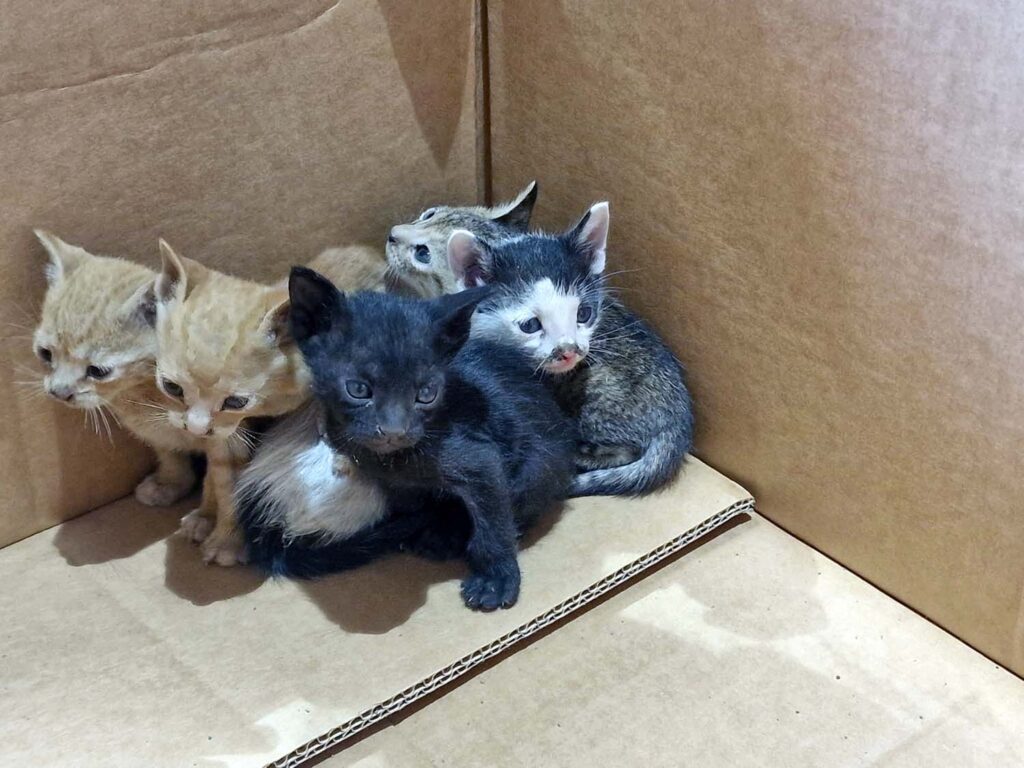
Saving animals stems from compassion, not popularity
Translated from Malay, summarized and contextualized by DistantNews.
At a glance
In-depth
Named sources
Context piece
- Animal rescue efforts are gaining traction on social media, with videos of saved animals frequently going viral.
- For those involved, the primary motivation is compassion and responsibility, not popularity or attention.
- Rescuers emphasize that every animal deserves a second chance, regardless of their ability to speak, and find deep satisfaction in seeing them recover and find loving homes.
Amidst the constant stream of social media content, stories of animal rescues continue to capture public attention. Videos showing cats pulled from drains, dogs treated after accidents, or abandoned animals finding new shelter often garner thousands of views and shares. However, for individuals deeply involved in animal rescue, the attention received is not the main objective. Instead, their actions stem from a profound sense of compassion and a duty to aid creatures unable to defend themselves or articulate their suffering. Animal lovers view each rescue as a trust to be fulfilled, irrespective of the personal time, effort, or cost involved. They believe every animal encountered in distress, injured, sick, hungry, or neglected, deserves a renewed opportunity at a better life. Despite facing challenges like financial constraints and significant commitments, their drive to help remains unwavering. For them, the value of a life is not measured by its ability to vocalize, but by its inherent right to exist and receive protection. Nur Aisyah Ahmad, 29, shared that her love for animals began in childhood, witnessing the struggles of stray cats in her neighborhood. This early empathy propelled her to assist animals in need, particularly those injured, sick, or hungry. "Since childhood, I've always loved animals. Whenever I saw abandoned animals or those in difficulty, I felt compelled to help within my means," she stated. "I've never done this for attention or popularity because the most important thing is ensuring the animal is safe." The most rewarding moments for Nur Aisyah are when animals, once weak and fearful, regain their health and find caregivers willing to offer them love. While sometimes using personal funds for food, veterinary care, or temporary shelter, she considers these sacrifices minor compared to the chance given to the animals to continue living. "The feeling of seeing an animal that was previously neglected become healthy again is hard to describe. For me, that joy is far more meaningful than any praise or recognition received," she added. Muhammad Firdaus Rahman, 34, who actively rescues stray cats and helps find temporary shelters for abandoned animals, views his work not just as a hobby but as an expression of responsibility and the humane values that society should foster. He believes animals, too, possess inherent worth.
Since childhood, I've always loved animals. Whenever I saw abandoned animals or those in difficulty, I felt compelled to help within my means. I've never done this for attention or popularity because the most important thing is ensuring the animal is safe.
DistantNews Editorial
Originally published by Utusan Malaysia in Malay. Translated, summarized, and contextualized by our editorial team with added local perspective. Read our editorial standards.
More Stories


From Our Blog

What Gets Lost (and Found) When News Is Translated

The Critical Role of Diaspora Media in Global News

What Travellers Should Know About Countries with Restricted Press

A Digital Nomad's Guide to Following Local News

How the Same Story Looks Different in Different Countries
