

Scientists create first artificial cell from non-living materials
Translated from Finnish, summarized and contextualized by DistantNews.
At a glance
News
Named sources
Context piece
- Researchers have created the first artificial cell capable of growth and division from non-living components.
- This synthetic cell, developed at the University of Minnesota, mimics key cellular functions like growth, replication, and division.
- The breakthrough could lead to new bioreactors for producing substances and biosensors for detecting specific materials.
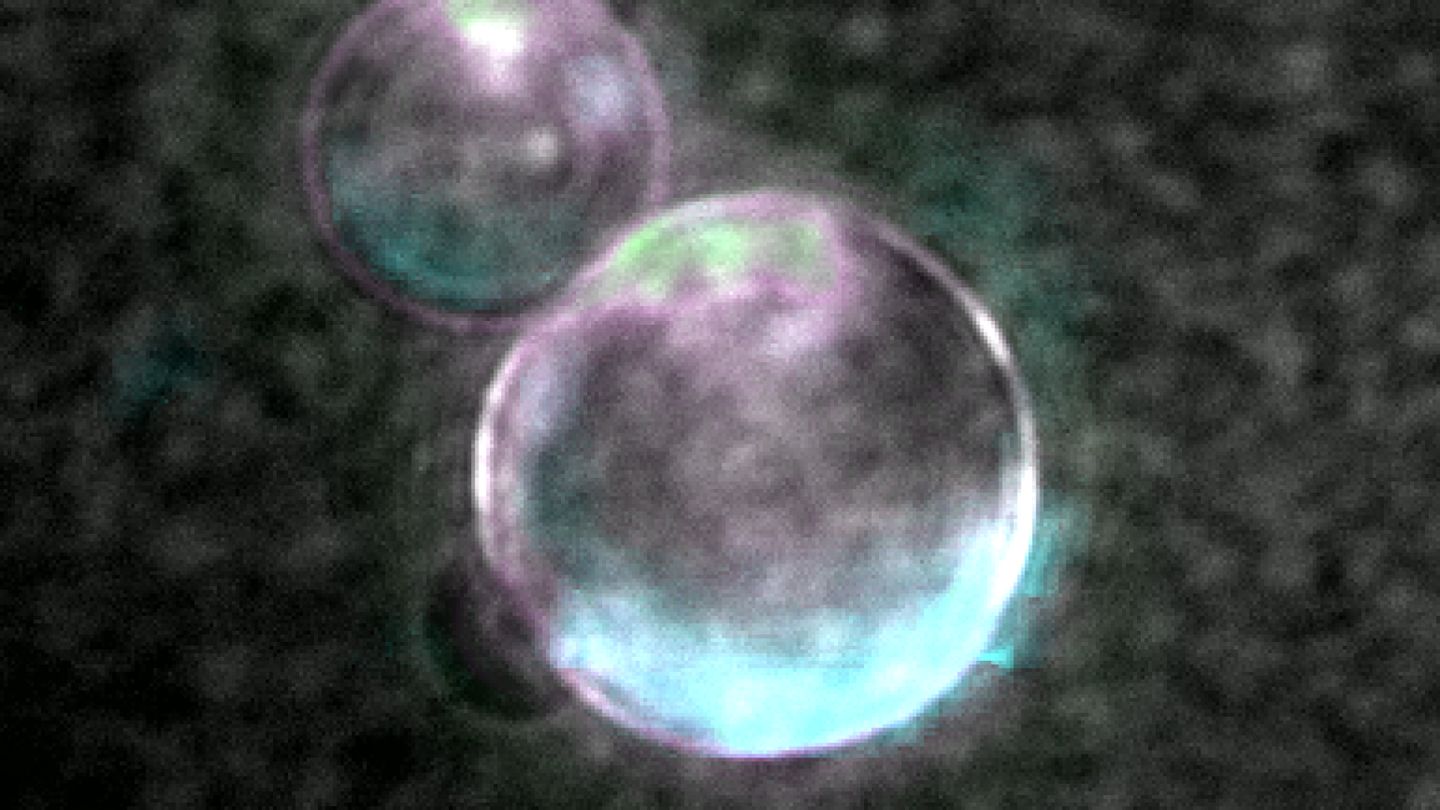
Scientists have created the first artificial cell from non-living materials that can grow and divide, a significant step toward potentially creating life from scratch. Developed at the University of Minnesota, the synthetic cell, dubbed SpudCell, has successfully completed a full cell cycle.
"This is the most fascinating and important thing I have ever done in my work, and I only gradually realized that this is really happening," said Kate Adamala, a biotechnology researcher and co-leader of the project. "We have succeeded in mimicking in chemistry something that has previously only been possible in biology. That is, the entire spectrum of cell behavior."
Adamala explained that the work demonstrates that systems capable of essential cellular functions, growth, replication, and division, can be built from inanimate chemical substances. These functions do not necessarily require a living trigger and can be achieved using chemical components. The synthetic cell's primary value lies in providing a model for researchers to explore the minimal requirements for life and how different cellular components interact.
Because the synthetic cell is constructed from known materials, it offers a clearer view into the workings of internal regulatory networks compared to natural cells, which have complex, overlapping functions. This transparency allows scientists to more easily pinpoint which components cause specific biological effects. In the longer term, such synthetic cells could be used to build small bioreactors for producing pharmaceuticals, chemicals, or fuels, or serve as biosensors programmed to detect particular substances by emitting a measurable signal.
However, the artificial cell is still far from a self-sustaining, living entity. Researchers added 36 genes to control its core functions, sourced from organisms like E. coli bacteria and a virus. For comparison, E. coli has about 4,400 genes. The synthetic cell cannot produce its own ribosomes, the machinery for protein synthesis, requiring the addition of E. coli ribosomes. Protein production in the synthetic cell ceased after only 5–10 generations. It also requires a nutrient-rich environment and lacks the internal complexity and organelles found in natural cells.
This is the most fascinating and important thing I have ever done in my work, and I only gradually realized that this is really happening. We have succeeded in mimicking in chemistry something that has previously only been possible in biology. That is, the entire spectrum of cell behavior.
DistantNews Editorial
Originally published by Helsingin Sanomat in Finnish. Translated, summarized, and contextualized by our editorial team with added local perspective. Read our editorial standards.
More Stories


From Our Blog

What Gets Lost (and Found) When News Is Translated

The Critical Role of Diaspora Media in Global News

What Travellers Should Know About Countries with Restricted Press

A Digital Nomad's Guide to Following Local News

How the Same Story Looks Different in Different Countries
