


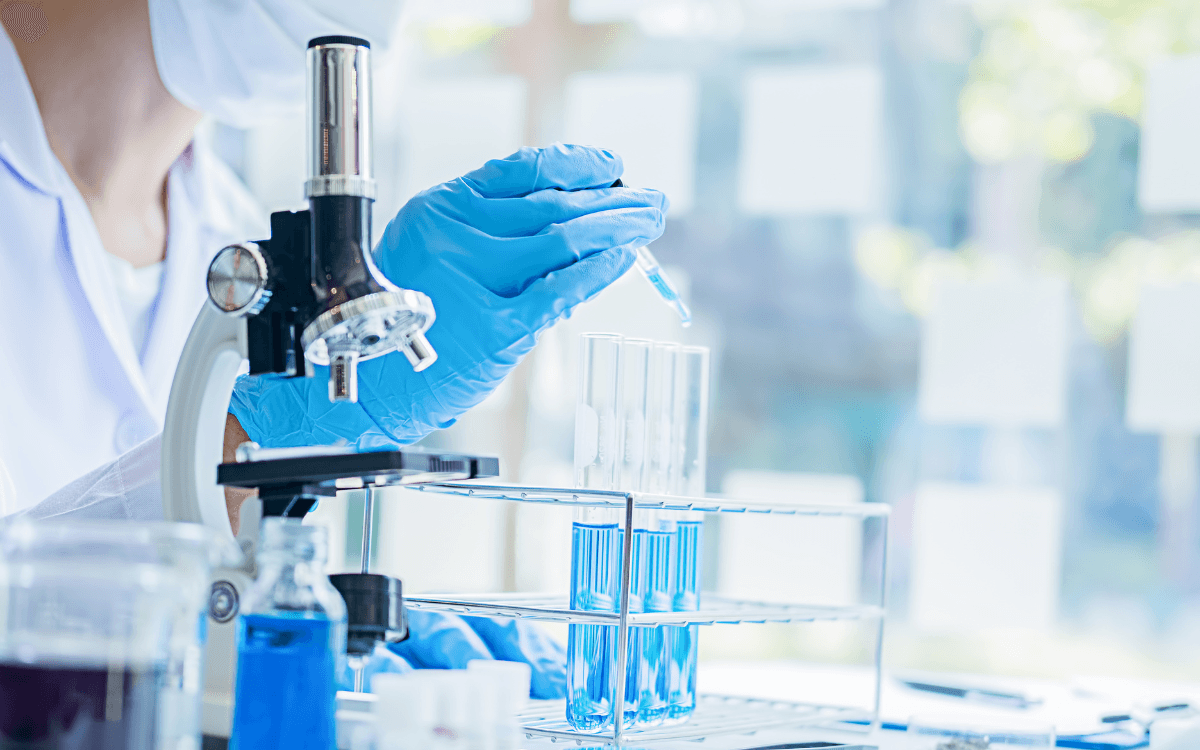
Scientists Develop Drug-Free Cancer Therapy Using Nanoparticles
Translated from Vietnamese, summarized and contextualized by DistantNews.
At a glance
News
Sources not specified
Context piece
- Scientists have developed a new technology that inhibits tumor growth without drugs, chemotherapy, or antibodies.
- The novel approach uses biological nanoparticles called MPsomes to alter the tumor's microenvironment, tricking immune cells.
- This breakthrough, tested on cell and mouse models of triple-negative breast cancer, shows promise for future, safer cancer therapies.
Researchers at the Technion-Israel Institute of Technology have unveiled a groundbreaking cancer treatment technology that suppresses tumor growth without the need for traditional drugs, chemotherapy, or antibodies. This advancement, detailed in the journal ACS Nano, offers a new paradigm in cancer therapy.
The research team focused on triple-negative breast cancer (TNBC), a particularly aggressive and difficult-to-treat form. Unlike conventional therapies that directly target cancer cells, this new technology modifies the microenvironment surrounding the tumor. Cancer cells can recruit macrophages, turning them into tools that support tumor growth and evade the immune system. To counter this, the scientists engineered bio-nanoparticles, dubbed MPsomes, which mimic the properties of macrophages.
These MPsomes act as a "biological lure," competing with harmful immune cells near the tumor and disrupting the mechanisms that support cancer cell proliferation. Experiments on cell cultures and mouse models of TNBC demonstrated that the nanoparticles accumulated in high concentrations around tumors, effectively inhibiting their growth. This efficacy rivals that of advanced immunotherapy treatments.
Notably, the therapeutic effect stems not from drug release but from biological signals on the nanoparticle surface. These signals promote beneficial changes in the immune system, reducing the number of tumor-supporting immune cells and increasing cancer-fighting ones. The research team can currently produce about 1.2 liters of nanoparticle solution per hour, using materials largely recognized as safe by the FDA, potentially accelerating clinical trials.
While the technology is still in the preclinical stage and has not yet been tested on humans, Associate Professor Assaf Zinger believes it represents a foundational breakthrough. He suggests it could pave the way for a new generation of safer and more effective cancer treatments in the future.
This could be a foundational breakthrough, paving the way for a new generation of safer and more effective cancer treatments in the future.
DistantNews Editorial
Originally published by Tuổi Trẻ in Vietnamese. Translated, summarized, and contextualized by our editorial team with added local perspective. Read our editorial standards.
More Stories


From Our Blog

What Gets Lost (and Found) When News Is Translated

The Critical Role of Diaspora Media in Global News

What Travellers Should Know About Countries with Restricted Press

A Digital Nomad's Guide to Following Local News

How the Same Story Looks Different in Different Countries
