


Unhealthy lifestyles may increase cancer risk in young Vietnamese, doctors warn
Translated from Vietnamese, summarized and contextualized by DistantNews.
At a glance
News
Named sources
Context piece
- Prolonged unhealthy lifestyles, including staying up late, consuming fast food, and chronic stress, may increase cancer risk in young people, according to doctors.
- Factors like disrupted circadian rhythms, weakened immunity, obesity, and metabolic disorders are linked to increased disease risk.
- While cancer is multifactorial, modern lifestyles and improved diagnostics contribute to the trend of younger diagnoses.
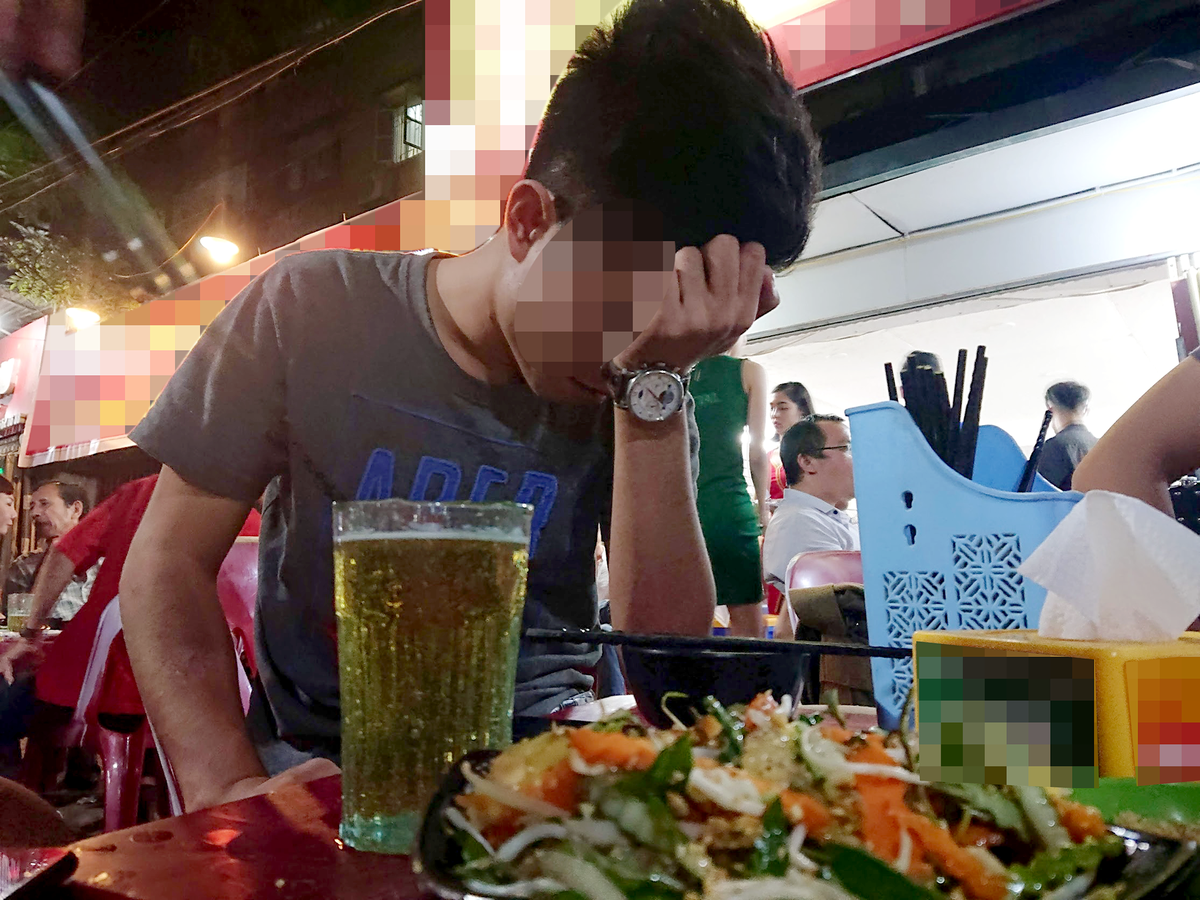
Doctors are urging caution regarding the link between modern, often unhealthy, lifestyles and the increasing incidence of cancer among younger populations. Habits such as staying up late, frequent consumption of fast food, and prolonged stress are being scrutinized for their potential role in elevating cancer risk.
Dr. Nguyen Duy Anh, a specialist in oncology, explained that while it is crucial to avoid attributing cancer to a single habit, numerous studies indicate that sustained unhealthy living can heighten the risk of various chronic diseases and certain cancers. He noted that chronic sleep deprivation disrupts the body's biological clock, impacting immunity and endocrine functions. Similarly, diets high in sugar and processed foods can lead to obesity and metabolic disorders. Chronic stress and lack of physical activity further impair the body's cellular recovery capabilities.
very many studies have shown that a prolonged unhealthy lifestyle can increase the risk of many chronic diseases and some types of cancer.
Regarding specific items like bubble tea, Dr. Duy Anh clarified that the issue lies not in occasional consumption but in the habitual intake of excessive sugar and calories, which can indirectly contribute to cancer risk through obesity and diabetes. Dr. Ha Hai Nam, Deputy Head of the Abdominal Surgery Department at K Hospital, identified three main categories of cancer-causing agents: physical (radiation, sunlight), chemical (dyes), and biological (H. pylori, Hepatitis B), often found in alcohol and food. Genetic predisposition also plays a significant role, with individuals having close relatives diagnosed with certain cancers facing a higher risk.
The issue is not drinking a cup of bubble tea, but the habit of consuming too much sugar and energy over a long period.
Statistics from GLOBOCAN reveal that Vietnam records over 180,000 new cancer cases and more than 120,000 deaths annually, making cancer a leading cause of mortality. Doctors observe a trend of "rejuvenation" in cancer diagnoses for certain types, including colorectal, breast, thyroid, and leukemia, with patients in their 20s and 30s being diagnosed more frequently than in the past. This trend is attributed to modern lifestyles, including late nights, stress, sedentary habits, poor diet, environmental pollution, smoking, alcohol consumption, and obesity. Improved screening and diagnostic methods also contribute to earlier detection.
Ultimately, cancer is understood as a multifactorial disease resulting from the cumulative effects of damage over time, rather than a single cause. Persistent habits like late sleeping, poor dietary choices, lack of exercise, and substance abuse can significantly impact overall health, particularly for young people navigating the complexities of modern life.
There are three main factors that cause cancer: physical factors (radiation, sunlight...); chemical factors (dyes...); biological factors (HP bacteria, hepatitis B...) found in alcohol and food.
DistantNews Editorial
Originally published by Tuổi Trẻ in Vietnamese. Translated, summarized, and contextualized by our editorial team with added local perspective. Read our editorial standards.
More Stories


From Our Blog

What Gets Lost (and Found) When News Is Translated

The Critical Role of Diaspora Media in Global News

What Travellers Should Know About Countries with Restricted Press

A Digital Nomad's Guide to Following Local News

How the Same Story Looks Different in Different Countries
