


Scientists discover a surprising 'brain' hidden inside the heart
Summarized and contextualized by DistantNews.
At a glance
News
Named sources
New plan
- Scientists have discovered a network of neurons within the heart, functioning as a local control center for essential bodily functions.
- This intrinsic cardiac nervous system, though small, communicates with the brain and processes information locally to regulate heartbeats and protect the organ during stress.
- Research identified two main neuron subtypes: Npy+ neurons control heart rate, while Ddah1+ neurons protect the heart against stress.
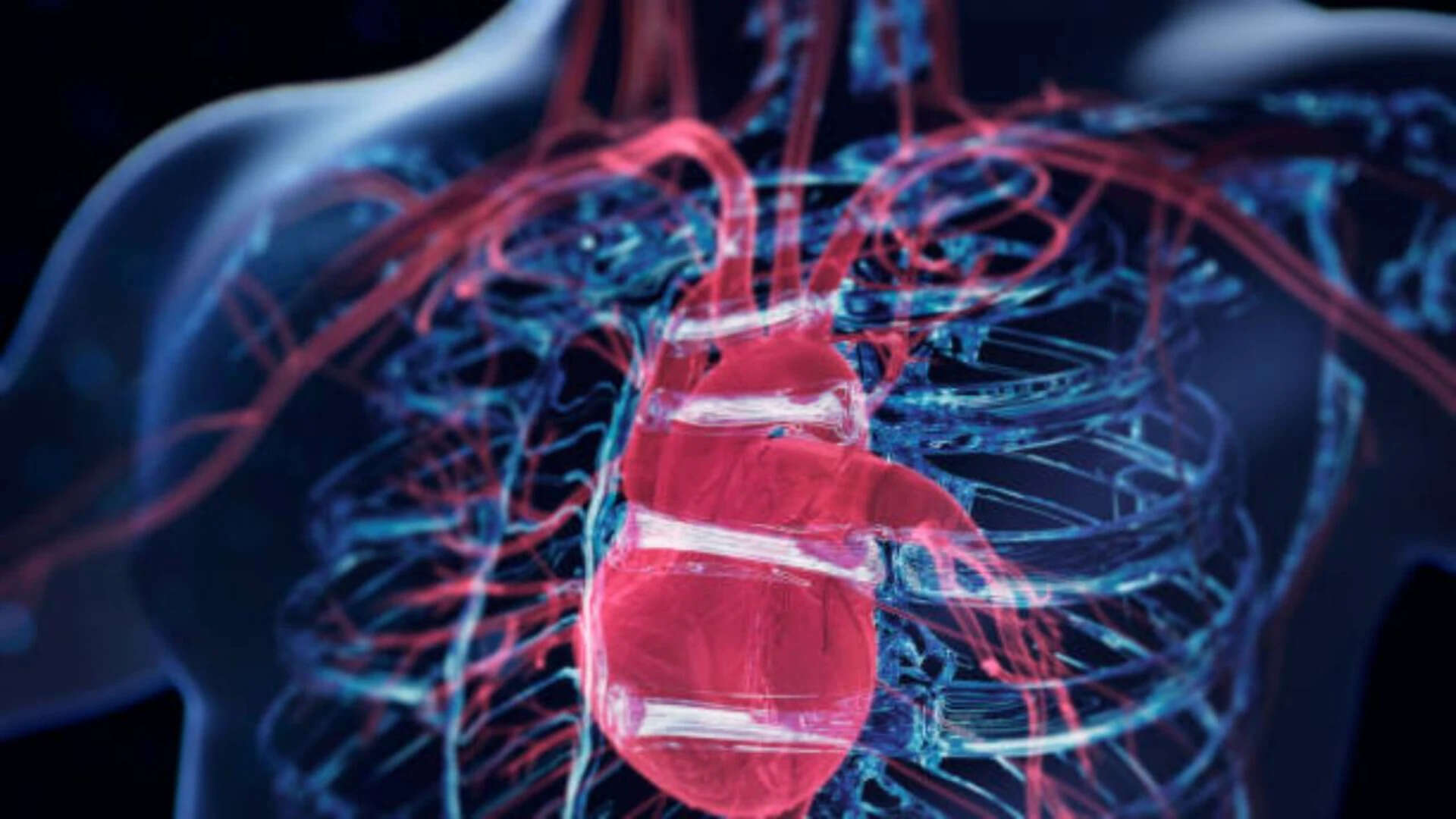
A groundbreaking study from Yale University has revealed a surprising 'brain' hidden within the human heart – a complex network of neurons capable of controlling essential bodily functions. Published in the scientific journal Cell, the research sheds light on the intrinsic cardiac nervous system, a neural network located in the adipose tissue surrounding the heart.
While representing a mere 0.01% of the heart's cells, this system acts as a local command center. The neurons communicate with each other and also receive signals from the brain. This discovery challenges previous understandings, likening the heart's nervous system to the 'second brain' found in the intestine, known for its role in digestion. However, the heart's system, though smaller, represents the final stage in a complex neural circuit governing cardiac activity.
Using genetically modified mice, scientists marked and sequenced the neurons of the intrinsic cardiac system, identifying two primary subtypes: Npy+ neurons and Ddah1+ neurons. Each plays a distinct role in the heart's function and protection. The research demonstrated that these neurons not only transmit signals from the brain but also process information locally, influencing the heart's response to various situations.
Npy+ neurons are crucial for controlling heart rate. Experiments showed that stimulating these cells reduced the animals' heart rate. Conversely, eliminating them led to severe consequences, including heart failure and death, indicating their vital role in slowing down excessive heartbeats and maintaining normal cardiac activity. Ddah1+ neurons, on the other hand, were found to protect the heart during stress, with their absence making the organ significantly more vulnerable.
DistantNews Editorial
Originally published by Times of India. Summarized and contextualized by our editorial team with added local perspective. Read our editorial standards.
More Stories


From Our Blog

What Press Freedom Means for the News You Read

What Gets Lost (and Found) When News Is Translated

The Critical Role of Diaspora Media in Global News

What Travellers Should Know About Countries with Restricted Press

A Digital Nomad's Guide to Following Local News
