


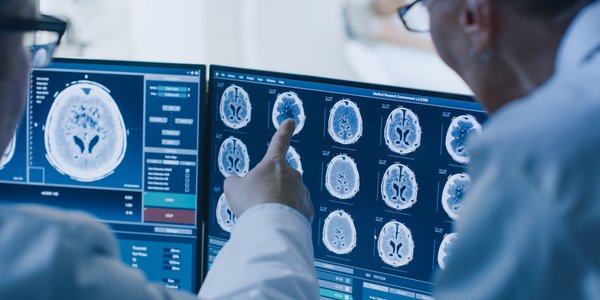
Scientists Discover Surprising Brain Self-Repair Mechanism, Offering Hope for New Therapies
Translated from Polish, summarized and contextualized by DistantNews.
At a glance
News
Named sources
Context piece
- Scientists have discovered a surprising self-repair mechanism in the brain, challenging previous assumptions about brain regeneration.
- The study, conducted on mice, revealed that specialized glial cells called astrocytes can regenerate damaged brain areas.
- This finding opens new avenues for therapies aimed at repairing brain tissue after injury or disease.
Researchers have uncovered a remarkable self-repair mechanism within the brain, suggesting that the organ may regenerate more effectively than previously understood. A study conducted by scientists at the University of Zurich in Switzerland, published in "Nature Neuroscience," identified a specialized group of "regenerative" astrocytes that can invade and rebuild damaged brain regions.
Astrocytes, a type of glial cell, are known to provide nutrients to nerve cells, regulate blood flow, and maintain brain tissue health. For a long time, it was believed that if these cells were lost due to injury or autoimmune diseases, they could not be fully restored. However, this new research observed in live mice demonstrates their surprising regenerative capacity.
Our study results show a previously unknown ability of the adult brain to self-repair. They also point to new possibilities for supporting the regeneration process after diseases and injuries associated with astrocyte loss.
The study revealed a unique process where these astrocytes first send their own cell nuclei into the damaged area. "Our study results show a previously unknown ability of the adult brain to self-repair," stated lead author Prof. Bruno Weber. "They also point to new possibilities for supporting the regeneration process after diseases and injuries associated with astrocyte loss."
By observing the brains of live mice using advanced two-photon microscopy and analyzing gene activation, the researchers identified specific genes and signaling pathways activated during this repair process. They believe that selectively activating these mechanisms could lead to more effective treatments for repairing damaged brain tissue and improving recovery after various neurological conditions and injuries.
These cells send newly formed nuclei of their daughter cells over long distances to re-colonize the damaged area and rebuild the astrocyte network.
DistantNews Editorial
Originally published by Rzeczpospolita in Polish. Translated, summarized, and contextualized by our editorial team with added local perspective. Read our editorial standards.
More Stories

From Our Blog

What Gets Lost (and Found) When News Is Translated

The Critical Role of Diaspora Media in Global News

What Travellers Should Know About Countries with Restricted Press

A Digital Nomad's Guide to Following Local News

How the Same Story Looks Different in Different Countries
