

Second screwworm case confirmed in Texas; state declares emergency
Translated from Spanish, summarized and contextualized by DistantNews.
At a glance
News
Official statement
Ongoing story
- A second case of the New World screwworm has been confirmed in a calf in Zavala County, Texas, near the initial detection site.
- Texas Governor Greg Abbott has declared a state of emergency, mobilizing resources to combat the parasite.
- Federal and state agencies are deploying sterile flies and building a new plant to contain the pest, which threatens the livestock industry.
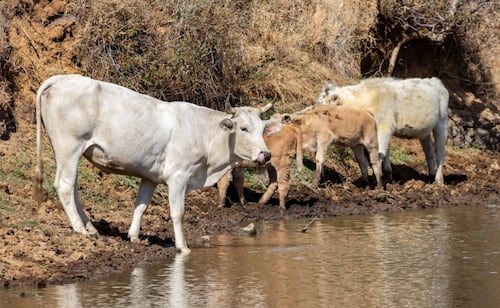
Texas is facing a growing threat to its livestock industry with the confirmation of a second case of the New World screwworm in a one-month-old calf. The latest detection occurred in Zavala County, approximately 5.6 miles from the first confirmed case, prompting state officials to declare an emergency.
APHIS is on the ground, we have deployed mobile response trailers and are conducting sterile fly releases (2 million aerial + 4 million ground per week).
Governor Greg Abbott has activated all available resources and authorized the reallocation of personnel across Texas to address the parasite. The state is accelerating the deployment of sterile flies, a key method used to control screwworm populations by preventing reproduction. Additionally, a new facility will be constructed in Edinburg to rear these sterile insects.
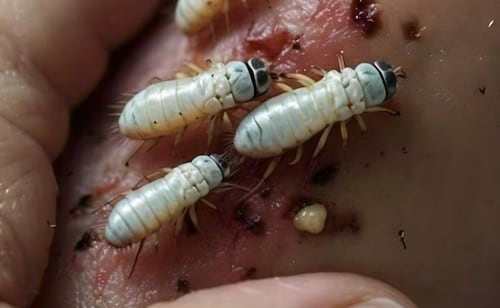
The New World screwworm, whose larvae feed on live flesh, has not posed a threat to U.S. livestock since 1966. The U.S. Department of Agriculture (USDA) confirmed the second case, emphasizing that containment efforts, including the release of millions of sterile flies, have been ongoing. USDA Secretary Brooke Rollins expressed confidence in the preparedness measures, stating that even the infested calf is expected to recover with proper treatment.
all available resources can be mobilized and personnel reassigned throughout Texas
Federal and state agencies are working collaboratively, deploying mobile response units and releasing millions of sterile flies weekly. The USDA believes its preparations are sufficient to prevent a widespread infestation, marking a significant effort to protect the agricultural sector from this rare and damaging pest.
with the right treatment, even the infested calf should recover.
DistantNews Editorial
Originally published by El Universal in Spanish. Translated, summarized, and contextualized by our editorial team with added local perspective. Read our editorial standards.
More Stories



From Our Blog

What Press Freedom Means for the News You Read

What Gets Lost (and Found) When News Is Translated

The Critical Role of Diaspora Media in Global News

What Travellers Should Know About Countries with Restricted Press

A Digital Nomad's Guide to Following Local News
