


🇹🇷
Turkey
Secret Baku meetings between German ex-officials and Russians spark controversy
Translated from English, summarized and contextualized by DistantNews.
At a glance
News
Named sources
Context piece
- A group of former senior German politicians has been meeting with Russians close to Vladimir Putin in Baku since 2024, using a format echoing the defunct "Petersburg Dialogue."
- Participants include former German officials like Ronald Pofalla and Matthias Platzeck, and Russian figures Viktor Zubkov and Valery Fadeyev.
- German Chancellor Friedrich Merz denied knowledge of the meetings, while Azerbaijani President Ilham Aliyev confirmed their use of his country's territory without prior notification.
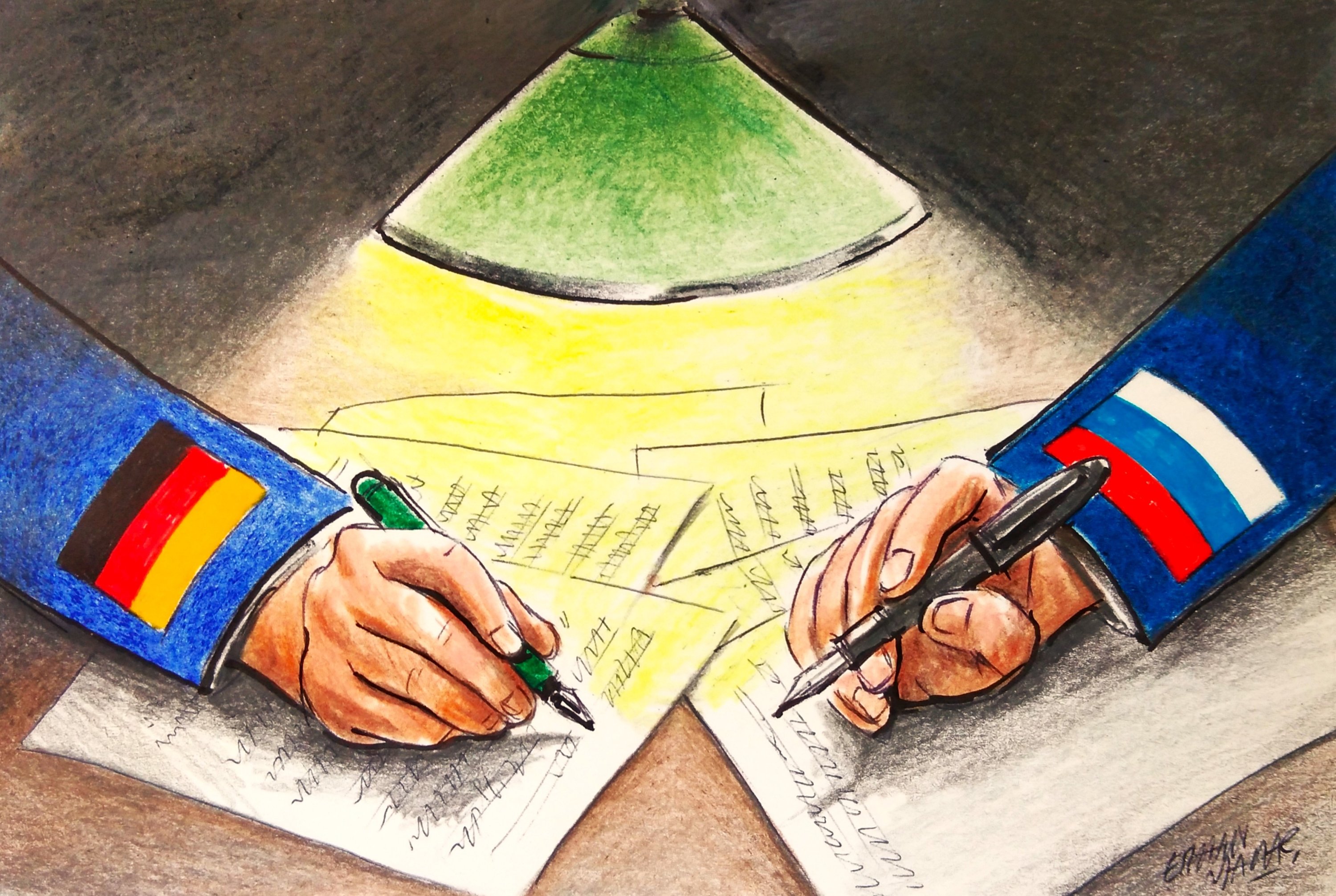
A clandestine meeting involving former senior German politicians and individuals close to Russian President Vladimir Putin took place in Baku, Azerbaijan, in July. This gathering, part of a series of private meetings since 2024, echoes the "Petersburg Dialogue," a German-Russian forum co-founded by Putin and former German Chancellor Gerhard Schröder, which Berlin shut down after Russia's full-scale invasion of Ukraine.
The most recent meeting, held July 12-14, included Ronald Pofalla, former head of the German Chancellery, and Matthias Platzeck, ex-minister-president of Brandenburg. They met with Viktor Zubkov, a Russian businessperson and former prime minister, and Valery Fadeyev, chairman of Russia's Human Rights Council. Both Zubkov and Fadeyev hold current official positions in Russia.
neither side had notified Azerbaijan: Its territory had been used without its knowledge.
When questioned about the meeting on July 21, German Chancellor Friedrich Merz stated he had no knowledge of it and that his government was not involved. In a notable exchange, Azerbaijani President Ilham Aliyev, standing beside Merz at a press conference, presented border-service records confirming the arrivals and departures of the Russian participants, adding that Azerbaijan had not been notified of the meetings held on its territory.
Media coverage in Germany has largely framed these meetings as a potential Russian influence operation, with German security agencies reportedly classifying the channel as such. Experts quoted by German media view the Russian participants as part of a propaganda apparatus rather than genuine negotiators. Russian state media has offered minimal details, with Kremlin spokesperson Dmitry Peskov stating he was unaware of the specific meetings.
German security agencies classify the channel as a Russian influence operation
DistantNews Editorial
Originally published by Daily Sabah in English. Translated, summarized, and contextualized by our editorial team with added local perspective. Read our editorial standards.
More Stories

From Our Blog

What Gets Lost (and Found) When News Is Translated

The Critical Role of Diaspora Media in Global News

What Travellers Should Know About Countries with Restricted Press

A Digital Nomad's Guide to Following Local News

How the Same Story Looks Different in Different Countries
